

In a first-of-its-kind deal, Meta is looking beyond Earth's atmosphere to secure the massive power needed for its artificial intelligence ambitions.
In a first-of-its-kind deal, Meta is looking beyond Earth's atmosphere to secure the massive power needed for its artificial intelligence ambitions.
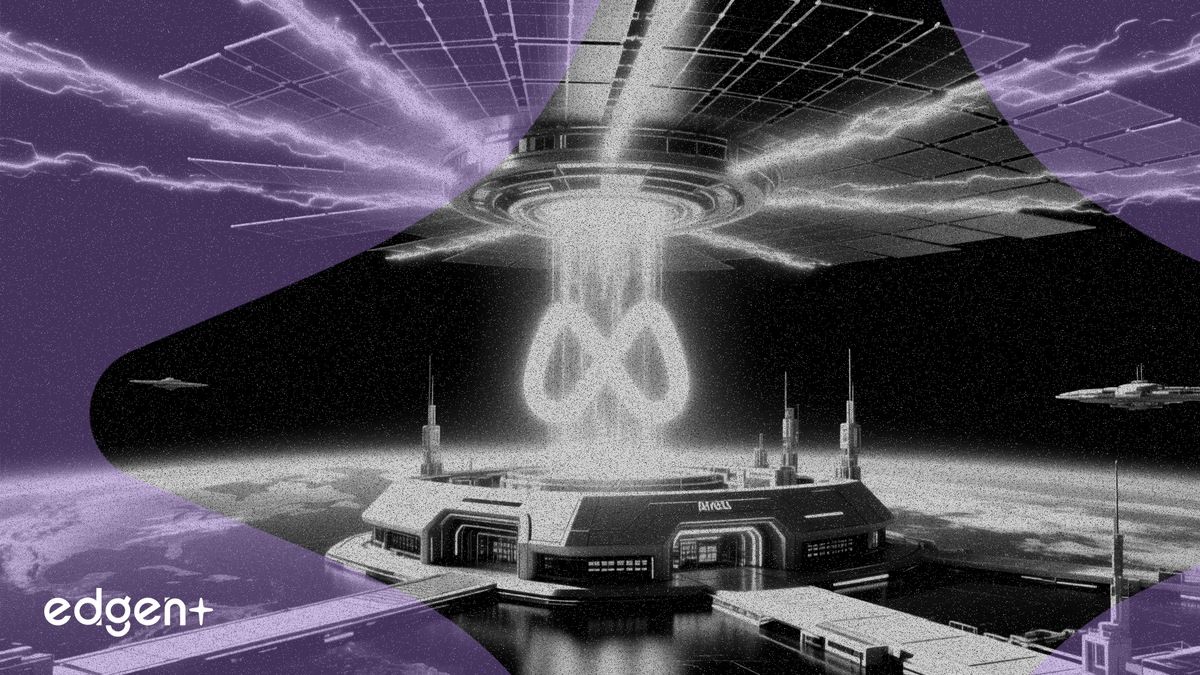
Meta Platforms Inc. has secured rights to 1 gigawatt of electricity from a planned space-based solar power network, a landmark deal that aims to provide uninterrupted clean energy for its power-hungry AI data centers and reduce reliance on the terrestrial grid. The agreement is one of the largest corporate commitments to the futuristic power source.
"Space solar technology represents a transformative step forward by leveraging existing terrestrial infrastructure to deliver new, uninterrupted energy from orbit," Nat Sahlstrom, Meta's VP of Energy and Sustainability, said in a statement. "This collaboration demonstrates our commitment to innovation — leveraging cutting-edge technology to strengthen America's energy leadership."
The agreement with Virginia-based startup Overview Energy grants Meta priority access to power from an orbital system set for its first demonstration in 2028. The system uses satellites in geosynchronous orbit some 22,000 miles above Earth to collect sunlight 24/7, beaming it to existing ground-based solar farms as near-infrared light. Commercial delivery to the U.S. grid is expected to begin as early as 2030. Financial terms of the agreement were not disclosed.
The deal highlights the extreme lengths to which tech giants must go to power the AI arms race. As large language models demand ever-larger data centers, the strain on local power grids is forcing companies like Meta, which is also investing heavily in nuclear and geothermal energy, to fund futuristic solutions to secure the gigawatts needed for future growth.
The core challenge for terrestrial solar power is its intermittency; panels only generate electricity when the sun is shining. Overview Energy's solution bypasses this limitation by placing the collectors in orbit, where sunlight is constant. The energy is then wirelessly transmitted to existing solar facilities on the ground, effectively allowing them to operate around the clock without requiring additional land or new grid connections.
"Our approach to space solar energy enables hyperscalers and technology providers to secure clean power with reliable siting, and speed to power," said Marc Berte, CEO of Overview Energy. The startup, founded in 2022, claims its beam is safe, less intense than sunlight, and will meet all U.S. regulatory standards.
For Meta, this means maximizing the output of existing infrastructure and securing a source of baseload-style renewable power. The 1 GW capacity reservation is roughly equivalent to the output of a nuclear reactor and is a significant step in diversifying its energy portfolio to meet the demands of its global data center footprint.
The explosion in AI has created a corresponding explosion in energy demand. Data centers to train and run complex models require vast amounts of electricity, and the U.S. grid is already showing signs of strain. This has led to an industry-wide scramble for power, pushing tech giants to become de facto energy developers.
Meta's strategy is multi-pronged. The company has already contracted over 30 GW of clean and renewable energy. Beyond the Overview deal, it has made significant commitments to next-generation geothermal with Sage Geosystems and has become one of the largest corporate buyers of nuclear energy through agreements with Vistra, TerraPower, and Oklo.
This trend extends across the industry. Amazon, for instance, recently partnered with French utility company Veolia to deploy water-reuse technology at its Mississippi data centers, another critical resource for cooling the servers that power the cloud. These investments underscore a new reality: to lead in AI, tech companies must first solve fundamental infrastructure challenges in energy and resource management. While the technology from Overview Energy is still in its early stages, Meta's 1 GW bet signals that for the AI industry, even the sky is no longer the limit for finding power.
This article is for informational purposes only and does not constitute investment advice.
