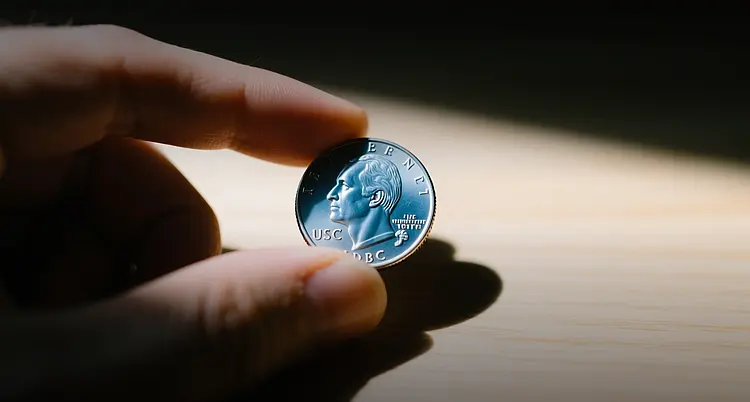
Le pilote de paiement en USDC de Meta sur Polygon et Solana constitue le plus grand test à ce jour pour savoir si les stablecoins peuvent remplacer les rails de paiement traditionnels dans l'économie des créateurs.
Meta a commencé à rémunérer certains créateurs en USDC sur Polygon et Solana, testant si les stablecoins peuvent remplacer les lents virements bancaires internationaux pour les paiements transfrontaliers dans plus de 160 marchés.
« Le règlement on-chain est rapide, mais la véritable friction se situe dans le dernier kilomètre — convertir l'USDC en monnaie locale sans perdre de marge », a déclaré Diana Chen, analyste en régulation crypto et politique des stablecoins chez Edgen.
Le pilote, actif en Colombie et aux Philippines, achemine les paiements via Stripe et les règle sur Polygon ou Solana. Polygon affirme pouvoir prendre en charge 5 000 paiements par seconde, signalant une capacité suffisante pour des paiements de masse. Les stablecoins détiennent collectivement une capitalisation d'environ 315,3 milliards de dollars, l'USDC et l'USDT dominant l'offre, selon les données de DeFiLlama.
Si Meta étend le pilote à 160 marchés comme indiqué, les paiements en stablecoin pourraient remodeler la manière dont les plateformes sociales gèrent la rémunération des créateurs — mais seulement si l'infrastructure de conversion en monnaie fiduciaire rattrape la vitesse on-chain.
Pourquoi les stablecoins, et pourquoi maintenant
Les plateformes sociales envoient chaque année des milliards de dollars de paiements aux créateurs dans des dizaines de pays. Les virements bancaires sont confrontés à des heures de coupure, des frais de banque correspondante et des coûts de conversion monétaire qui peuvent réduire de 5 % à 10 % les revenus d'un créateur. L'USDC, émis par l'émetteur régulé Circle, se règle en quelques minutes sur Polygon et Solana avec des frais de réseau qui ne représentent qu'une fraction de centime.
Pour les créateurs dans les marchés émergents comme la Colombie et les Philippines, l'attrait est évident : des revenus libellés en dollars qui arrivent en minutes plutôt qu'en jours, sans dépendre des horaires bancaires locaux. Le défi consiste à convertir ces dollars en pesos sans perdre l'avantage de la rapidité.
Le goulot d'étranglement de la conversion en monnaie fiduciaire
Les créateurs qui reçoivent de l'USDC doivent trouver un échange tiers ou une fintech pour convertir en monnaie locale. Les frais, les exigences de connaissance du client et les limites de retrait varient considérablement selon les pays. En Colombie, les créateurs disposant de comptes d'échange établis peuvent encaisser le jour même ; d'autres peuvent passer des jours à passer la vérification ou à chercher de meilleurs spreads.
Le récent lancement par Circle de cirBTC, un token ERC-20 adossé 1:1 au bitcoin avec vérification on-chain des réserves, signale un investissement plus profond dans l'infrastructure de la monnaie tokenisée, selon The Cryptonomist. Mais l'écart entre le règlement on-chain et la conversion en monnaie fiduciaire reste la contrainte fondamentale pour l'adoption des stablecoins dans l'économie des créateurs.
Ce que cela signifie pour les plateformes et les créateurs
Pour Meta, les paiements en stablecoin découplent le règlement du réseau fragmenté de partenaires bancaires dans chaque marché. Pour les créateurs, le flux de travail inclut désormais la configuration du portefeuille, la sélection de la chaîne et la planification de la conversion en monnaie fiduciaire — des tâches que les paiements traditionnels n'exigeaient pas.
Les créateurs ont besoin d'un portefeuille compatible sur Polygon ou Solana, d'une connaissance des options locales de conversion fiduciaire et de documents pour la déclaration fiscale. Les revenus en stablecoin peuvent être imposables à la réception, à la conversion, ou les deux, selon la juridiction.
Le pilote crée également une demande de recherche : lorsque les créateurs cherchent « comment encaisser de l'USDC en Colombie » ou « retirer de l'USDC en PHP », les résultats qui répondent clairement et localement capteront la prochaine vague d'utilisateurs de stablecoins.
Risques à surveiller
La fragmentation des canaux de conversion en monnaie fiduciaire reste le plus grand risque. Les créateurs doivent naviguer entre des échanges aux frais, limites et exigences de conformité variables. La variabilité réglementaire selon les juridictions pourrait restreindre les conversions de stablecoins. La fiabilité des chaînes — congestion ou pannes sur Polygon ou Solana — pourrait retarder les paiements. Et les escroqueries ciblant les nouveaux utilisateurs de portefeuilles devraient augmenter à mesure que davantage de créateurs manipulent des clés privées pour la première fois.
Cet article est fourni à titre d'information uniquement et ne constitue pas un conseil en investissement.