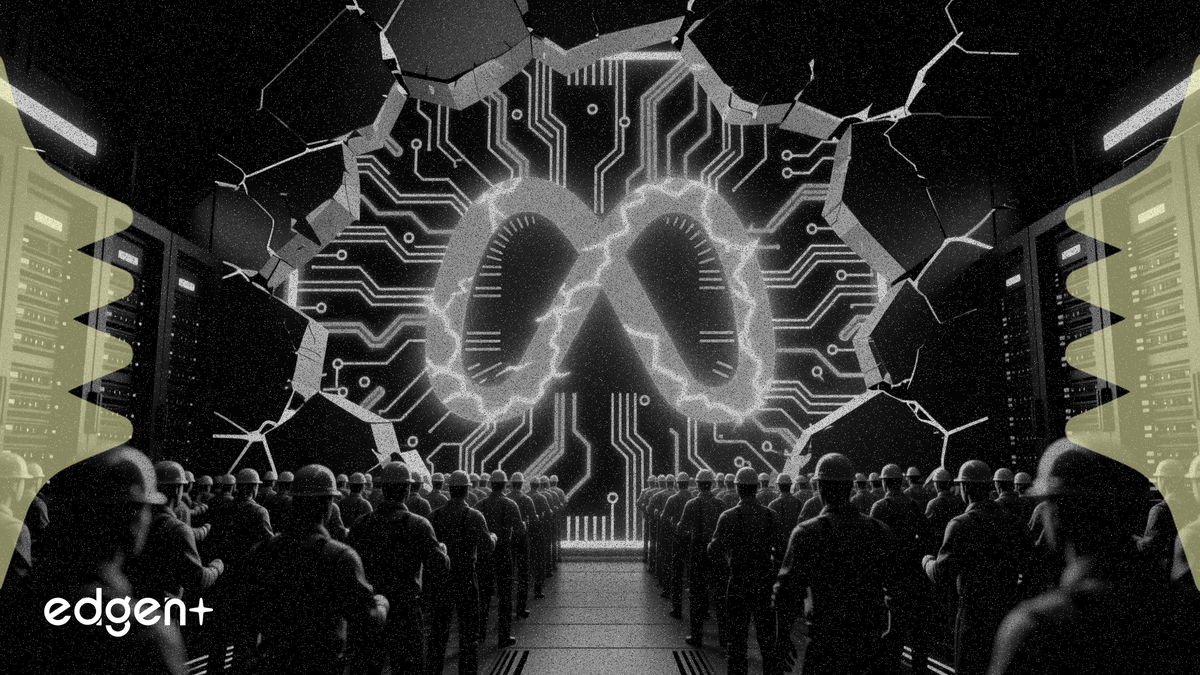
Meta Platforms Inc. (NASDAQ:META) reasignó por la fuerza al menos a 1.000 de sus mejores ingenieros a una nueva división de inteligencia artificial en abril, un movimiento que los empleados han apodado como "el reclutamiento", que busca acelerar el desarrollo de la IA a costa de un descontento interno generalizado.
"Meta ya no nos veía como socios", dijo un empleado técnico a los periodistas, un sentimiento que captura la creciente desconexión entre la gerencia y el personal dentro del gigante tecnológico de 1,2 billones de dólares.
La reorganización es parte de un giro estratégico masivo que incluye planes para 8.000 despidos, lo que representa aproximadamente el 10% de la fuerza laboral, incluso mientras la compañía aumenta su previsión de gastos de capital para el año completo 2026 a un rango de entre 125.000 y 145.000 millones de dólares. El gasto se dirige en gran medida a asegurar los centros de datos y los chips necesarios para competir con rivales como Google, OpenAI y Anthropic. A modo de comparación, el gasto de capital del primer trimestre fue de 19.800 millones de dólares, un 45% más año tras año.
Para los inversores, el reclutamiento es la secuela del "Año de la Eficiencia" de Meta, un período de despiadado recorte de costos que impulsó una expansión significativa del margen y los rendimientos para los accionistas. Ahora, la compañía está arriesgando esa disciplina y su propio tejido cultural en una apuesta de alto riesgo: construir la próxima generación de IA, incluso si tiene que reclutar a su propia fuerza laboral para hacerlo.
El reclutamiento y los daños
La atmósfera interna en Meta ha sido descrita como "históricamente baja", según un informe de WIRED. Los traslados forzosos a la nueva división de Ingeniería de IA Aplicada, que construye herramientas para científicos de investigación, vinieron con un ultimátum: trasladarse o ser despedido. Esta es una táctica inusual en Silicon Valley, donde el personal técnico suele tener movilidad interna durante las reestructuraciones.
La moral se ha visto aún más erosionada por la ampliación de las brechas salariales y la inseguridad laboral. Mientras miles se enfrentan a despidos, se informa que el CEO Mark Zuckerberg ha ofrecido a los mejores investigadores de IA paquetes de compensación de hasta 100 millones de dólares al año. Mientras tanto, la compensación total media para los empleados cayó a 388.200 dólares el año pasado desde los 417.400 dólares en 2024, en parte debido a un recorte del 5% en la parte de acciones de los aumentos anuales. Un grupo de empleados de Meta con sede en el Reino Unido ha comenzado una campaña sindical formal con United Tech and Allied Workers en respuesta a lo que los organizadores llaman "comportamientos crueles y miopes".
Un estado de vigilancia para entrenar al sucesor
Agravando la ansiedad está la instalación obligatoria de software de seguimiento del ratón, conocido internamente como Iniciativa de Capacidad del Modelo (MCI), en las computadoras portátiles corporativas de los empleados de EE. UU. La herramienta captura clics y patrones de navegación para generar datos para el entrenamiento de modelos de IA que pueden automatizar tareas. Según la portavoz de Meta, Tracy Clayton, "existen salvaguardas para proteger el contenido sensible, y los datos no se utilizan para ningún otro propósito".
Los empleados han protestado, distribuyendo folletos anónimos en múltiples oficinas de EE. UU. que invocan la Ley Nacional de Relaciones Laborales (NLRA), que protege los derechos de los trabajadores a organizarse para mejores condiciones. Los folletos, vistos por Reuters, preguntan: "¿No quieres trabajar en la Fábrica de Extracción de Datos de Empleados?". La NLRB ha sido explícita en que el uso de IA para la vigilancia de los empleados de una manera que podría interferir con la organización es ilegal, situando el programa de Meta en una posición legalmente sensible.
El precio de un 'Código Rojo'
El movimiento de Zuckerberg refleja momentos similares de "apuesta total" en la historia de la tecnología. Traza un paralelo directo con el "Código Rojo" de Google a finales de 2022, cuando los fundadores Larry Page y Sergey Brin regresaron para lanzar un competidor de ChatGPT. Ese esfuerzo produjo a Gemini, pero también provocó un éxodo de talento senior en IA hacia los rivales. Del mismo modo, la temprana reorganización de Azure en Microsoft y el proyecto original del iPhone de Apple implicaron el reclutamiento de ingenieros, entregando productos pero también perdiendo talento en un plazo de 18 a 36 meses.
La situación actual en Meta parece estar siguiendo este patrón. Según WIRED, los empleados que pueden permitirse irse esperan ser despedidos para recibir un paquete de indemnización que incluye un mínimo de 16 semanas de paga. Esto indica una ruptura fundamental del contrato psicológico entre la empresa y sus empleados más valiosos.
Para los inversores que han celebrado la eficiencia de Meta, la estrategia actual presenta un nuevo tipo de riesgo. La compañía está gastando lo que sea necesario para asegurar el mejor talento en IA y potencia informática, un movimiento que ha recompensado el precio de las acciones. Sin embargo, la reacción interna, el potencial de fuga de talento hacia competidores como xAI y Mistral, y los desafíos legales de la organización laboral crean un riesgo de ejecución significativo. Las acciones de Meta han caído alrededor de un 5% este año, y el éxito de este giro hacia la IA dependerá de si Zuckerberg puede construir el futuro sin perder a las personas que necesita para llegar allí.
Este artículo es solo para fines informativos y no constituye asesoramiento de inversión.