
The future of the global auto industry is being decided in Beijing, where German incumbents are making a stand against a dominant Chinese EV market.
The future of the global auto industry is being decided in Beijing, where German incumbents are making a stand against a dominant Chinese EV market.
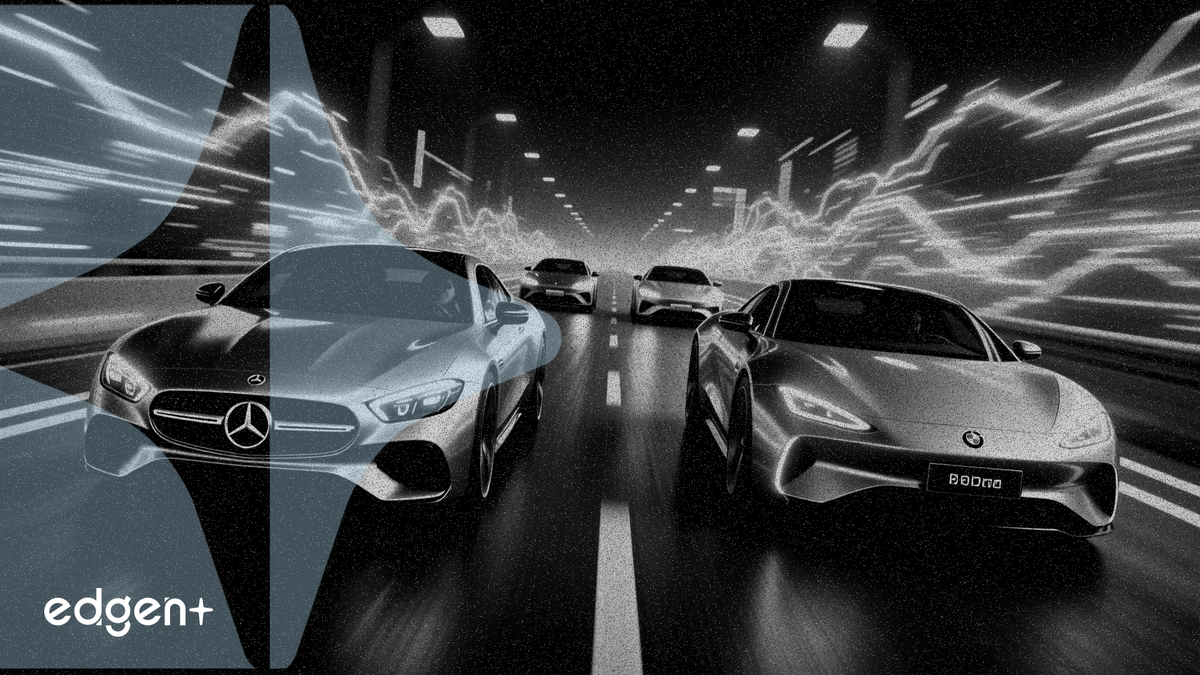
The future of the global auto industry is being decided in Beijing, where German incumbents are making a stand against a dominant Chinese EV market.
Mercedes-Benz AG launched its largest product offensive in China to date at the 2026 Beijing Auto Show, debuting a pure-electric SUV as part of a 15-model push to reclaim ground from ascendant local competitors. The show, now the world's largest, features 1,451 vehicles and underscores the intense pressure on legacy automakers in a market redefined by electric vehicles and advanced in-car technology.
"This is not like any auto show I’ve attended in the West. The energy is different. The booths are massive. The vehicles are ambitious," said one attendee who spent two days at the event. The sentiment captures the central conflict: German luxury brands are deploying their most advanced technology to defend their position, but face a market where Chinese brands are setting the pace of innovation.
The centerpiece of Mercedes's strategy is the global debut of the pure-electric GLC SUV. Built on an 800-volt architecture with over 700 kilometers of range, it incorporates technology from the flagship S-Class, including air suspension and rear-wheel steering. The move directly counters BMW AG's world premiere of its long-wheelbase iX3, which is built on its "Neue Klasse" platform and boasts a range of over 900 kilometers, setting up a head-to-head battle for the premium electric SUV segment in the second half of 2026.
While the German giants fight for supremacy, the sheer scale of Chinese competition is overwhelming. The show features more EV models in a single hall than are available in the entire United States. Brands like BYD, which unveiled its 1,000-horsepower Denza Z supercar, and Huawei's luxury Maextro brand, targeting Rolls-Royce, are competing in every segment. This domestic rivalry is fueled by China's dominance in the battery supply chain, with giants like CATL showcasing ultra-fast charging technology that can add over 500km of range in minutes.
Mercedes is betting on a fusion of its hardware legacy with localized software, integrating a multi-modal AI model from a partnership with Tsinghua University and a navigation system from AutoNavi that mirrors a smartphone experience. The company's 2,000-strong local R&D team has been given unprecedented autonomy to make these integrations happen. However, the pace of updates from competitors like Huawei and XPeng, whose Navigate on Autopilot (NOA) systems are updated quarterly, presents a significant challenge to Mercedes's planned 9-15 month rollout schedule.
The German automaker's strategy also involves testing the lower end of the market, with its CLA 260 L launching at a price of 229,000 yuan (about $31,600). This move targets a new customer base but risks straining a dealer network already facing pressure from inventory and price inversions.
The 300,000 to 500,000 yuan price bracket, once the heartland of German luxury sedans and SUVs, is now the primary battleground. Chinese brands like Nio and Huawei's Aito have reshaped consumer expectations in this segment with advanced smart-cabin features and driver-assistance systems. While Mercedes still commands the ultra-luxury market above 1 million yuan, its success in this middle-market fight will be critical for its future in China.
The outcome of this product cycle will be pivotal. Both Mercedes and BMW are launching a combined total of over 35 new models in China this year. If this expensive push fails to translate into market share gains against local champions, the window of opportunity to adapt may close for good. As one Mercedes executive noted, the auto industry has consolidated from over 3,000 brands in 1900 to just 50 by 1950. This new wave of competition is simply the next chapter in that long-running淘汰赛 (táotàisài) — an elimination contest.
This article is for informational purposes only and does not constitute investment advice.