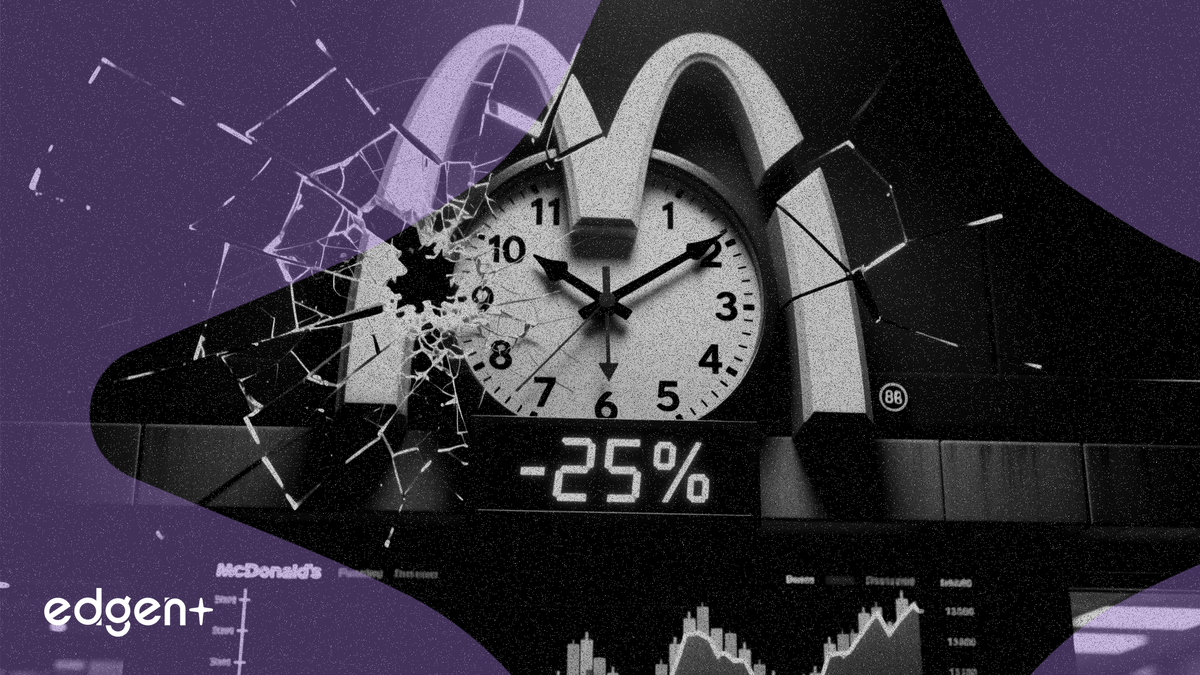
'Giá Theo Thời Gian' Của Bữa Ăn McDonald's Giảm 25% Kể Từ Năm 1958
Một phân tích đã công bố bác bỏ quan niệm phổ biến rằng McDonald's đã trở nên đắt đỏ một cách khó chấp nhận bằng cách đo lường chi phí không phải bằng đô la, mà bằng thời gian lao động. Một lá thư trên The Wall Street Journal vào ngày 26 tháng 3 năm 2026, đã tính toán "giá theo thời gian" của một bữa ăn gia đình cụ thể bao gồm mười chiếc bánh mì kẹp thịt, bốn phần khoai tây chiên và ba ly sữa lắc. Năm 1958, bữa ăn này có giá 2,66 USD, yêu cầu hai giờ 23 phút làm việc với mức lương khởi điểm phổ biến là 1,12 USD mỗi giờ.
Ngày nay, cùng một đơn hàng có giá khoảng 33,47 USD. Tuy nhiên, với mức lương trung bình hàng giờ tại các nhà hàng dịch vụ hạn chế tăng lên 18,69 USD, thời gian cần thiết để kiếm được bữa ăn đó đã giảm xuống chỉ còn một giờ 48 phút. Điều này thể hiện mức giảm 25% trong giá theo thời gian, cho thấy một người lao động ngày nay có thể mua được nhiều hơn 33% từ chuỗi thức ăn nhanh với cùng một lượng lao động so với năm 1958.
Công Ty Bảo Vệ Giá Trị Với Bánh Mì Kẹp Thịt 'Big Arch' Mới
Ban lãnh đạo McDonald's đang tích cực phản bác những chỉ trích về giá cả của mình. Trong một lá thư riêng, Phó Chủ tịch Điều hành Jon Banner đã bảo vệ cam kết của công ty về khả năng chi trả, chỉ ra việc giới thiệu các ưu đãi Bữa ăn 5 USD và các nền tảng giá trị khác. Thông điệp doanh nghiệp này phù hợp với việc ra mắt gần đây của bánh mì kẹp thịt "Big Arch", một sản phẩm 1.065 calo được Giám đốc điều hành Chris Kempczinski mô tả là một cách để cung cấp "giá trị lớn cho đồng tiền" cho những người tiêu dùng "kỹ tính hơn với chi tiêu của họ".
Tuy nhiên, đề xuất giá trị của chiếc bánh mì kẹp thịt mới không nhất quán trên toàn quốc. Các chiến lược định giá khu vực dẫn đến sự chênh lệch giá 74% đối với Big Arch, với giá 7,46 USD ở Columbia, Nam Carolina, nhưng có thể lên tới 12,99 USD ở Lewiston, Maine. Phạm vi giá rộng này làm phức tạp câu chuyện giá trị quốc gia của công ty và đã thúc đẩy các cuộc tranh luận trực tuyến về thế nào là một mức giá hợp lý.
Cuộc Tranh Luận Phản Ánh Áp Lực Rộng Hơn Lên Ngân Sách Người Tiêu Dùng
Sự tập trung mạnh mẽ vào giá thức ăn nhanh minh họa một áp lực kinh tế rộng lớn hơn đối với người tiêu dùng. Trên toàn cầu, tỷ trọng thu nhập quốc dân được phân bổ cho lao động đã giảm 1,6 điểm phần trăm kể từ năm 2004, tương đương với mức thiếu hụt 2,4 nghìn tỷ USD cho người lao động chỉ riêng trong năm 2024. Xu hướng kinh tế vĩ mô này làm tăng sự nhạy cảm của người tiêu dùng đối với những thay đổi giá của hàng hóa hàng ngày.
Môi trường này có lợi cho các công ty có thể mang lại giá trị rõ ràng. Ví dụ, việc Costco gần đây ra mắt đồ uống năng lượng Kirkland Signature với giá thấp hơn đáng kể so với các đối thủ cạnh tranh như Celsius đã gây ra phản ứng thị trường ngay lập tức. Cổ phiếu của Celsius Holdings đã giảm gần 7% sau khi hình ảnh về lựa chọn thay thế giá thấp hơn của Costco xuất hiện, nhấn mạnh sự công nhận của nhà đầu tư về nhu cầu mạnh mẽ của người tiêu dùng đối với khả năng chi trả.