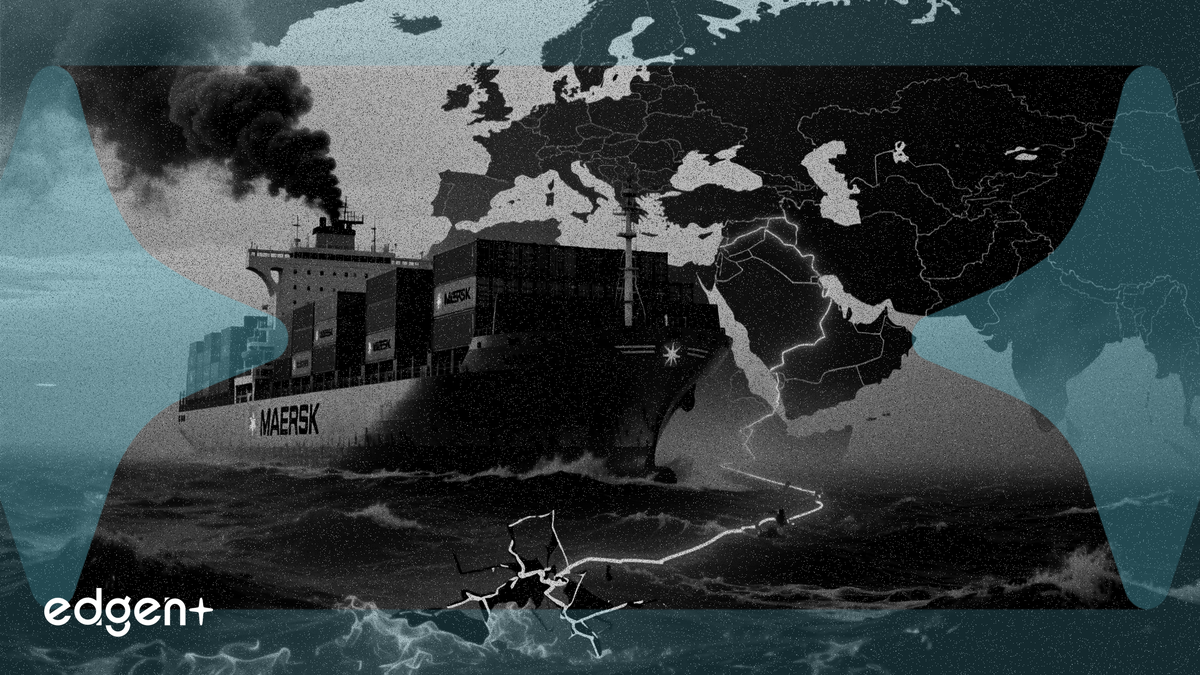
The world’s second-largest container line is suspending key intra-regional shipping routes in the Middle East, signaling a new phase of supply chain disruption from geopolitical instability.
Maersk announced a temporary halt to all landside freight bookings from Saudi Arabia's Jeddah port and the Omani ports of Salalah and Sohar to the UAE and Qatar, reflecting heightened operational risks following months of attacks on commercial shipping. The suspension, confirmed in a customer advisory, effectively freezes a critical land bridge that had served as a vital alternative to maritime routes disrupted by regional conflict.
"This is a direct consequence of the spillover from the Red Sea crisis," said a regional logistics manager based in Dubai, who asked not to be named due to business sensitivities. "The land bridge routes were the primary workaround, and now that artery is being squeezed, which could add 10 to 15 percent to freight costs on these lanes almost overnight."
The suspension specifically targets landside freight from Jeddah to the UAE, Oman, and Qatar, and from the Omani ports of Salalah and Sohar to the UAE, Saudi Arabia, Kuwait, Bahrain, and Qatar. The move follows a series of drone and missile attacks by Yemen's Houthi militants on vessels in the Red Sea and Gulf of Aden, which has forced major carriers to reroute ships around Africa's Cape of Good Hope, adding up to two weeks to transit times and millions in fuel costs.
The disruption to these land-based alternatives highlights the vulnerability of regional supply chains that depend on a few key maritime and terrestrial chokepoints. For companies in the Gulf, this suspension will likely trigger immediate logistics delays and higher costs, forcing a scramble for less efficient or more expensive air freight options and threatening to fuel inflation for imported goods across the peninsula.
Land Bridge Under Pressure
The now-suspended routes were part of a broader "sea-air" or "sea-land" service model that gained prominence after the Red Sea disruptions began. Goods would be offloaded at ports like Salalah in Oman or Jeddah in Saudi Arabia and trucked overland to their final destinations in the Gulf, bypassing the high-risk waters of the Bab el-Mandeb strait. The decision by Maersk to halt these bookings suggests the operational environment has become untenable, either due to direct threats, insurance complexities, or partner refusals along the land routes.
This action isolates Qatar and the UAE, two major commercial hubs, from their primary sea-land relief valve. While Maersk has not provided a specific reason for the suspension beyond a brief advisory, the move points to an escalation of risk perception that now extends beyond the immediate maritime theater. It follows similar, though less sweeping, adjustments by other carriers who have been managing schedules on a week-by-week basis.
Economic Ripples Across the Gulf
The economic impact is expected to be concentrated within the Gulf Cooperation Council (GCC) bloc, which relies heavily on imports for everything from consumer goods to construction materials. The increased logistics costs—whether from longer sea voyages or a forced shift to air freight—will inevitably be passed on to consumers, potentially adding to inflationary pressures. Brent crude, a global benchmark for oil, has remained elevated above $80 a barrel, partly pricing in the geopolitical risk premium from the Middle East.
The last time regional shipping faced such a systemic threat was during the 1980s "Tanker War," though that conflict was primarily focused on oil tankers in the Persian Gulf. Today's disruption is broader, affecting containerized goods that form the backbone of global trade. The suspension by a bellwether company like Maersk may prompt other logistics firms to reassess their own risk exposure in the region, potentially leading to a wider withdrawal of services and further constricting regional commerce.
This article is for informational purposes only and does not constitute investment advice.