

A jury's finding that Live Nation has illegally monopolized the concert industry could fundamentally reshape the live entertainment market.
A jury's finding that Live Nation has illegally monopolized the concert industry could fundamentally reshape the live entertainment market.
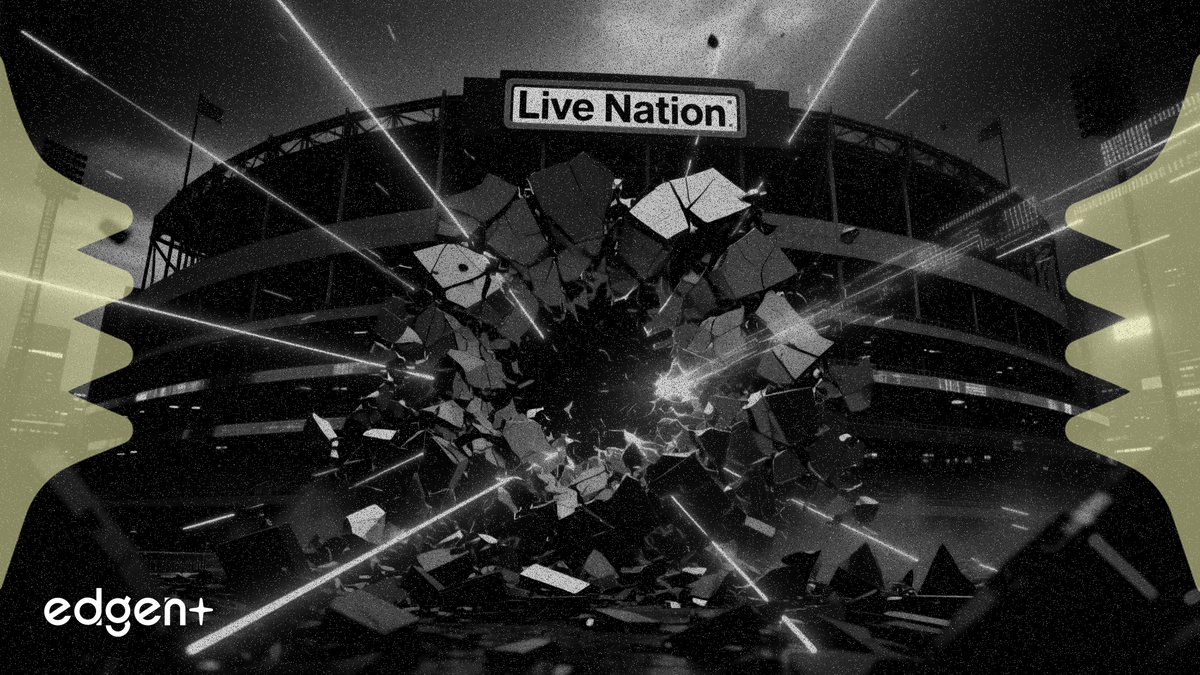
A federal jury found entertainment company Live Nation guilty of illegally monopolizing the concert and ticketing industry on April 15, 2026, a landmark verdict that paves the way for more than 30 states to seek remedies, including a potential breakup of the company.
"This is the most significant antitrust ruling in the entertainment sector in decades," said William Kovacic, a law professor at George Washington University and former chairman of the Federal Trade Commission. "The verdict provides a legal foundation for states to pursue structural changes to a market that has been consolidating for years."
The decision sent shockwaves through the market, with Live Nation's stock (LYV) expected to face significant negative pressure. The profound uncertainty surrounding the company's future, particularly the severe potential outcome of a forced breakup, could create long-term volatility for investors. The case, which consolidated complaints from numerous states, argued that Live Nation's control over both major venues and the dominant ticketing platform, Ticketmaster, stifled competition and harmed consumers.
At stake is the very structure of the $25 billion U.S. live events industry. The states' attorneys general, who joined the Department of Justice in the suit, will now proceed to a remedies phase where they can propose measures to curb Live Nation's market power. This could range from behavioral changes and fines to the forced divestiture of Ticketmaster, a move that would fundamentally alter the company's business model.
The core of the government's case focused on the 2010 merger of Live Nation and Ticketmaster, which created a vertically integrated giant. Competitors like AEG Presents have long argued that Live Nation leverages its control of major tours and venues to force artists and buildings into using Ticketmaster, creating an insurmountable barrier to entry for other ticketing platforms such as SeatGeek.
The verdict could unwind that integration. A forced sale of Ticketmaster would be the most drastic outcome, potentially creating a more competitive ticketing landscape but also introducing significant execution risk and a long period of legal and operational challenges for Live Nation. The company has consistently denied any wrongdoing, arguing that its scale creates efficiencies that benefit artists and fans.
This article is for informational purposes only and does not constitute investment advice.