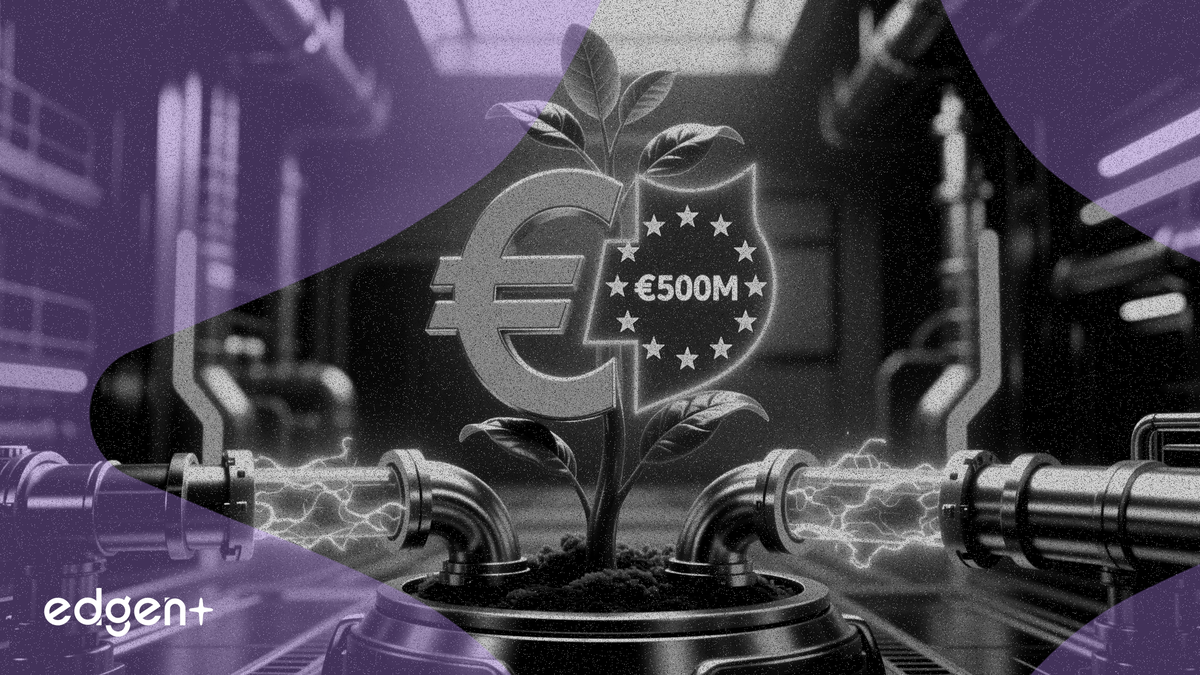
LanzaTech Global Inc. (NASDAQ: LNZA) está invirtiendo 500 millones de euros para construir la primera instalación a escala comercial de Alcohol-to-Jet (ATJ) de Europa en Bélgica, posicionando a la empresa para capturar una parte significativa del mercado obligatorio de combustible de aviación sostenible de la UE.
"Estamos encantados de haber elegido North Sea Port, Gante, como sede de FLITE", dijo Jennifer Holmgren, CEO de LanzaTech.
La instalación, ubicada en North Sea Port, Gante, tendrá capacidad para producir 79.000 toneladas de Combustible de Aviación Sostenible (SAF) y 9.000 toneladas de diésel renovable anualmente. Se espera que el proyecto cree aproximadamente 50 empleos permanentes y 300 empleos de construcción durante un período de tres años.
Para LanzaTech, una empresa con una capitalización de mercado de solo 135 millones de dólares e ingresos decrecientes, este proyecto de 500 millones de euros es una apuesta significativa. El éxito la establecería como un actor clave en el mercado europeo de combustibles verdes, revirtiendo potencialmente su fortuna financiera y validando su tecnología de fermentación de gas a escala comercial.
La selección del sitio de Gante es un paso importante hacia una Decisión Final de Inversión (FID), con la empresa lista para presentar una Evaluación de Impacto Ambiental. La ubicación ofrece ventajas estratégicas, incluida su proximidad a la planta de etanol Steelanol de ArcelorMittal, que proporcionará una fuente de materia prima lista.
El proyecto, parte del consorcio FLITE, ha recibido financiación del programa de investigación e innovación Horizonte 2020 de la Unión Europea. Este respaldo destaca los vientos de cola políticos y regulatorios para el SAF en Europa.
Una apuesta por satisfacer la demanda obligatoria
El combustible producido estará diseñado para cumplir con el mandato ReFuelEU Aviation de la UE, que requiere una mezcla creciente de SAF en el combustible para aviones, comenzando en el 2% en 2025 y aumentando al 70% para 2050. Esto crea un mercado garantizado para la producción de LanzaTech. El combustible también cumplirá con los requisitos de CORSIA y del mandato de SAF del Reino Unido, abriendo múltiples mercados.
Si bien LanzaTech tiene una tecnología sólida y un balance robusto con más efectivo que deuda, sigue sin ser rentable. Los ingresos de la compañía cayeron un 41% hasta los 6 millones de dólares en los últimos doce meses. El éxito de la instalación de Gante será una prueba crítica de su capacidad para escalar comercialmente y alcanzar la rentabilidad.
Este artículo es solo para fines informativos y no constituye asesoramiento de inversión.