
Tensions in the Middle East are on the rise as Kuwait issues a direct warning to Iran, demanding a halt to attacks and ensuring free navigation in a critical oil chokepoint.
Tensions in the Middle East are on the rise as Kuwait issues a direct warning to Iran, demanding a halt to attacks and ensuring free navigation in a critical oil chokepoint.
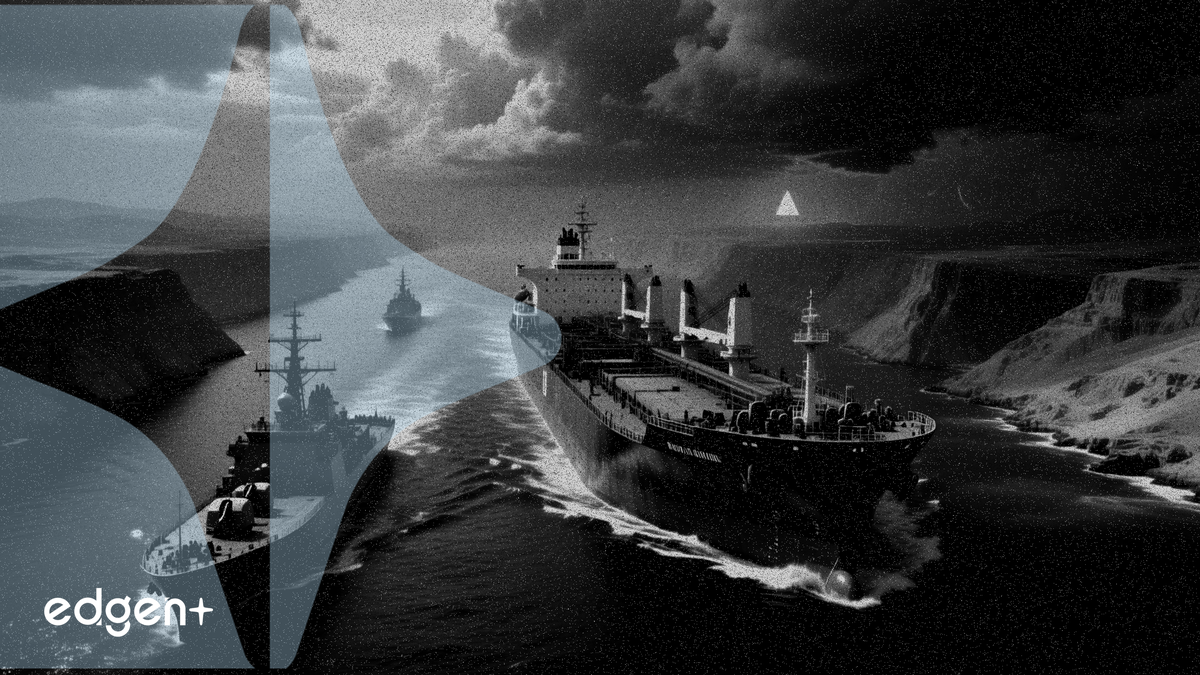
(P1) Kuwait issued a direct warning to Iran on Wednesday, demanding that freedom of navigation in the Strait of Hormuz must be guaranteed and that Tehran and its proxy forces must cease their attacks in the region. The statement escalates geopolitical tensions in a waterway responsible for transporting approximately 21% of global petroleum liquids consumption.
(P2) "Freedom of navigation in the Strait of Hormuz must be guaranteed," the Kuwaiti government said in a statement. "Iran and its proxy forces must stop their attacks."
(P3) The declaration signals a growing concern among Gulf nations regarding the security of oil shipments. An escalation of conflict could lead to a significant disruption in global oil supply, potentially causing a spike in crude oil prices and increasing shipping insurance costs. The last major disruption in 2019, following attacks on Saudi Aramco facilities, saw oil prices jump by nearly 15% in a single day.
(P4) At stake is the stability of the global energy market and the potential for wider economic fallout. A sustained closure of the Strait would likely trigger an energy crisis, fueling inflationary pressures and negatively impacting global economic growth. The development puts a sharp focus on the fragile state of Middle Eastern geopolitics and its direct link to market stability.
The Strait of Hormuz is the world's most important oil chokepoint, with millions of barrels of crude oil and liquefied natural gas passing through it daily. Any disruption, or even the threat of one, can have an immediate and significant impact on energy markets. Kuwait's public demand highlights the increasing willingness of regional actors to take a firm stance against perceived threats from Iran.
This move could prompt a reassessment of risk in the region by energy traders and international shipping companies. The focus will now be on Iran's response and whether other Gulf Cooperation Council (GCC) nations will issue similar statements. The situation remains fluid, with the potential for rapid escalation depending on the actions of both state and non-state actors in the Persian Gulf.
This article is for informational purposes only and does not constitute investment advice.