
Key Takeaways:
- A hypothetical US strike killing 100 children in Iran ignites fierce debate.
- Writers clash on applying just-war theory versus pacifist principles.
- The Pope’s call for negotiation is central to the ethical controversy.
Key Takeaways:
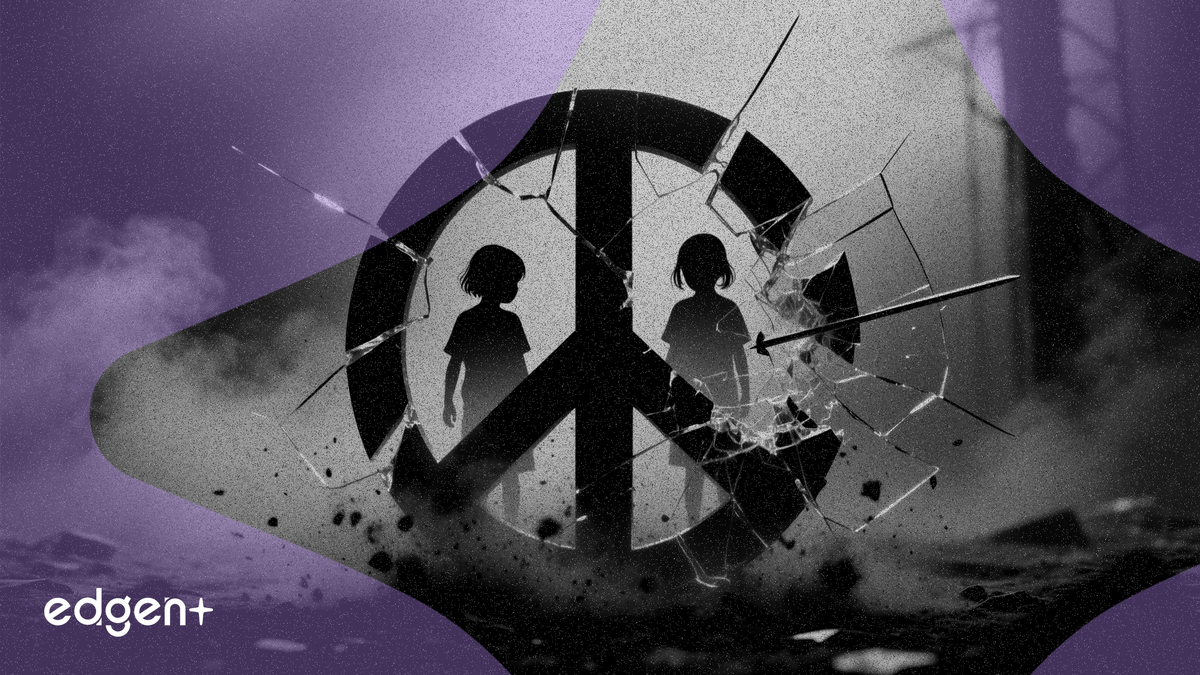
A debate over the ethics of a hypothetical US-Iran war has intensified, following reports that a US strike killed more than 100 children, prompting a re-examination of just-war principles in modern conflict.
The discussion was spurred by letters responding to a Wall Street Journal opinion piece that criticized Pope Leo XIV’s call for negotiations. "In his criticism of the Pope’s plea for negotiations, Mr. McGurn implies a misreading of Catholic just-war principles," Rev. Carmen Mele of Irving, Texas, said in a letter.
The core of the debate centers on the application of just-war theory, which requires discrimination in targeting and limiting civilian casualties. The reported death of over 100 children at an Iranian school is a focal point of contention, with some arguing it represents a grave violation of these principles. In contrast, another viewpoint, articulated by Chuck Mansfield of Stuart, Fla., frames the U.S. position as one of self-defense, not revenge, against credible threats.
This clash highlights a fundamental tension between strategic military objectives and the moral cost of war. The conversation also draws on historical parallels, with one writer noting that about half of all draft-age Quakers enlisted in World War II, choosing to fight despite their pacifist beliefs. As Rev. Gerald J. Bednar of Euclid, Ohio, puts it, a nation may resort to war "only as the result of a dilemma where the only solutions are morally suspect."
This article is for informational purposes only and does not constitute investment advice.