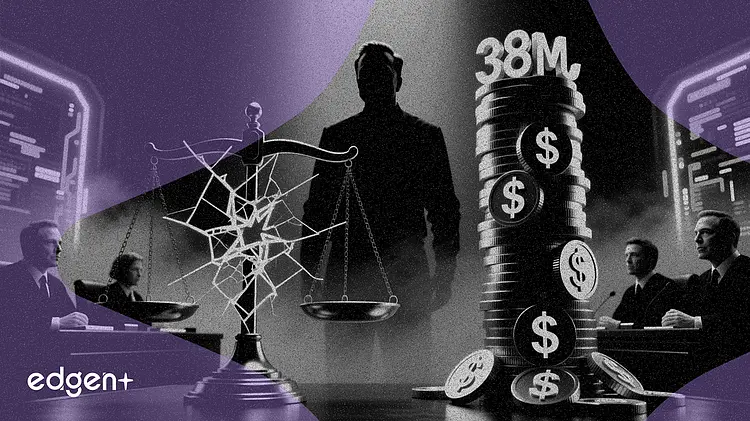
A nine-person jury now holds the advisory verdict in Elon Musk's lawsuit against OpenAI, a case that could unwind the lab's multi-billion dollar partnership with Microsoft and redefine its corporate structure.

Deliberations have begun in the high-profile trial pitting Elon Musk against OpenAI, the artificial intelligence lab he co-founded, with a jury now weighing whether the firm's pivot to a for-profit model constituted a breach of charitable trust after Musk donated approximately $38 million to the originally non-profit venture.
"He never cared about the nonprofit structure," OpenAI attorney Sarah Eddy told the jury during closing arguments. "What he cared about was winning."
Musk's 2024 lawsuit alleges that OpenAI, CEO Sam Altman, and President Greg Brockman were unjustly enriched and abandoned their founding mission by creating a for-profit subsidiary and accepting a $10 billion investment from Microsoft in 2023. OpenAI's defense argues Musk's funds were spent by 2021 and that Musk himself attempted to merge the lab with Tesla.
The outcome, while technically advisory, could force OpenAI to restructure, potentially jeopardizing its commercial operations and its crucial partnership with Microsoft. Judge Yvonne Gonzalez Rogers will make the final ruling on liability and any potential remedies, which could include the removal of Altman and Brockman from their leadership roles.
The trial has pulled back the curtain on the fractured relationship between two of AI's most prominent figures. Musk, who co-founded OpenAI in 2015 with a stated mission to counter Google's dominance and ensure AI benefits humanity, claims he was betrayed. "I came up with the idea, the name, recruited the key people," Musk testified, arguing that the creation of a "maximum-profit company effectively controlled by Microsoft" was "not what I intended at all."
OpenAI's counsel painted a different picture, portraying Musk as seeking total control. They presented evidence that Musk attempted to become CEO and hold a controlling stake in a proposed for-profit version of the lab. When co-founders declined, Musk allegedly ended his funding commitment, which totaled around $38 million, far short of an initial $1 billion pledge. The defense argues the lawsuit is a case of "unclean hands," filed only after Musk launched a competing AI startup, xAI.
A central thread of the lawsuit is the role of Microsoft and its multi-billion dollar investment. Musk's attorneys argue that the 2023 deal, which gave Microsoft significant influence, was the final step in OpenAI's deviation from its non-profit roots. They point to a clause giving Microsoft veto rights over major corporate decisions as evidence that commercial priorities superseded the mission of AI safety.
Microsoft, also a defendant, has maintained that its executives had no knowledge of any specific conditions on Musk's original donations despite extensive due diligence. The company's lawyers argued that its investment and computing power were what enabled OpenAI to achieve its greatest technological breakthroughs, including the development of ChatGPT. The jury's advisory verdict will now set the stage for Judge Gonzalez Rogers' final decision, which will have lasting implications for the governance and commercialization of artificial intelligence.
This article is for informational purposes only and does not constitute investment advice.