
Conflicting reports over a potential Israeli strike on Tehran briefly roiled markets, highlighting the region's dependence on a fragile de-escalation strategy.
Conflicting reports over a potential Israeli strike on Tehran briefly roiled markets, highlighting the region's dependence on a fragile de-escalation strategy.
Israel denied conducting an attack on Iran late Tuesday after Iranian media reported air defenses activating over Tehran, a move that briefly spiked oil prices and underscored the market’s sensitivity to a potential Mideast supply disruption.
"This is the paradox at the heart of the Arab position today," Dalia Ziada, a scholar at the Institute for the Study of Global Antisemitism and Policy, wrote in a recent analysis. She argues Arab states are allowing the conflict to weaken Iran economically while avoiding direct military entanglement.
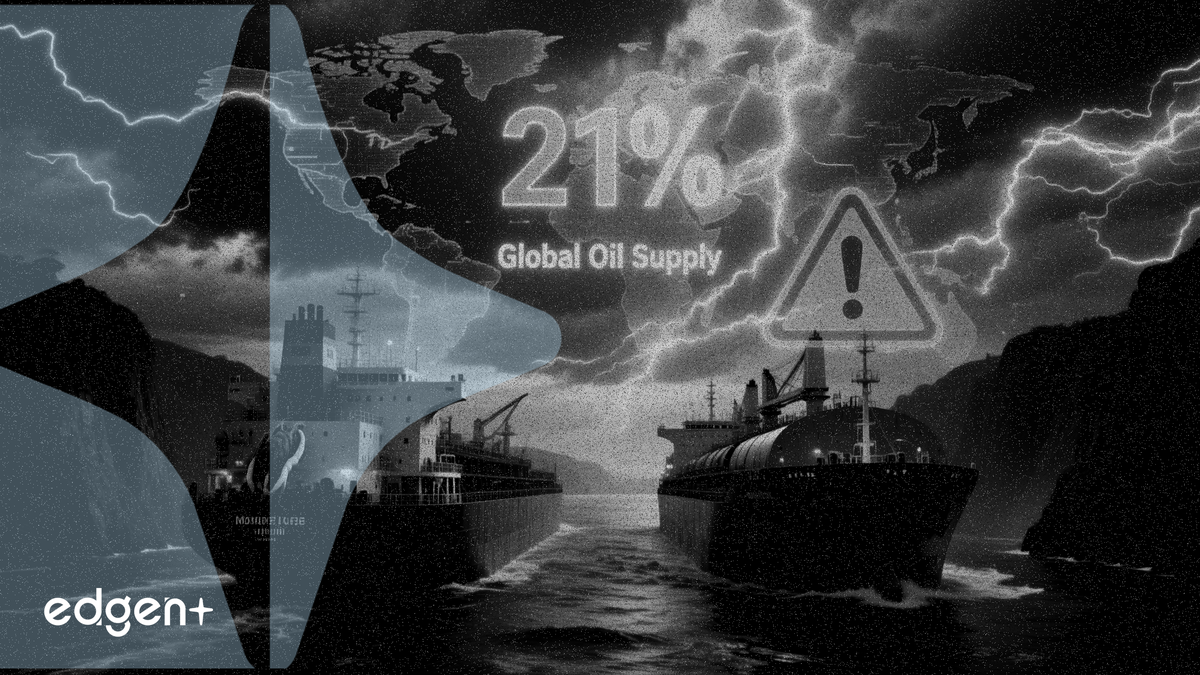
Initial reports of explosions on April 23rd triggered a knee-jerk reaction in markets, with futures pointing to a sharp opening for Brent crude. The subsequent denial from multiple Israeli media outlets, citing unnamed security officials, tempered the immediate risk-off move. The episode highlights the volatility surrounding the Strait of Hormuz, a chokepoint for about one-fifth of the world's oil supply.
The incident underscores a fragile equilibrium where regional actors rely on the United States to apply economic and military pressure on Iran without triggering a full-blown war. For investors, this translates to persistent headline risk and the potential for sudden supply shocks, with any miscalculation threatening to disrupt global energy markets.
The market's sharp reaction reflects a strategic shift in the ongoing conflict, which has moved from direct military threats to a war of economic strangulation centered on the Strait of Hormuz. A de facto naval blockade led by the United States aims to cut off Iran's access to global markets, depriving the regime of critical revenue. This strategy plays directly into the hands of wealthy Gulf Arab states, who can absorb limited direct attacks while benefiting from the long-term degradation of Iran's economic and military power. Their advanced air defense systems have proven capable of intercepting Iranian drone and missile strikes, allowing them to maintain economic continuity. By outsourcing the military pressure to the US, Gulf nations avoid a direct war that would expose their own cities and critical energy infrastructure to sustained attack.
This dynamic of contained escalation allows Arab states to pursue several strategic objectives at once. First, it contains the war geographically, preventing Iranian attacks from spiraling into a region-wide conflict. Second, it preserves economic stability, as Gulf producers can adapt to shipping disruptions and even benefit from higher oil prices. Third, it allows them to retain political influence over the outcome without direct military entanglement. Even Egypt, a traditional strategic anchor in the region, has adopted a position of calculated restraint. While not on the front lines of the Hormuz theater, Cairo's economy is vulnerable to global trade disruptions and energy price shocks. By avoiding direct involvement, Egypt preserves its capital to act as a stabilizing force in a post-conflict regional order. This shared strategy of risk management demonstrates a new form of pragmatic statecraft in the Middle East, where power is measured less by participation in a conflict and more by the ability to shape its outcome while minimizing exposure.
This article is for informational purposes only and does not constitute investment advice.