
Une milice irakienne de premier plan a promis une « réponse forte » aux attaques israéliennes au Liban, rompant un cessez-le-feu de deux semaines et alimentant un marché pétrolier déjà sensible aux risques géopolitiques.
Une milice irakienne de premier plan a promis une « réponse forte » aux attaques israéliennes au Liban, rompant un cessez-le-feu de deux semaines et alimentant un marché pétrolier déjà sensible aux risques géopolitiques.
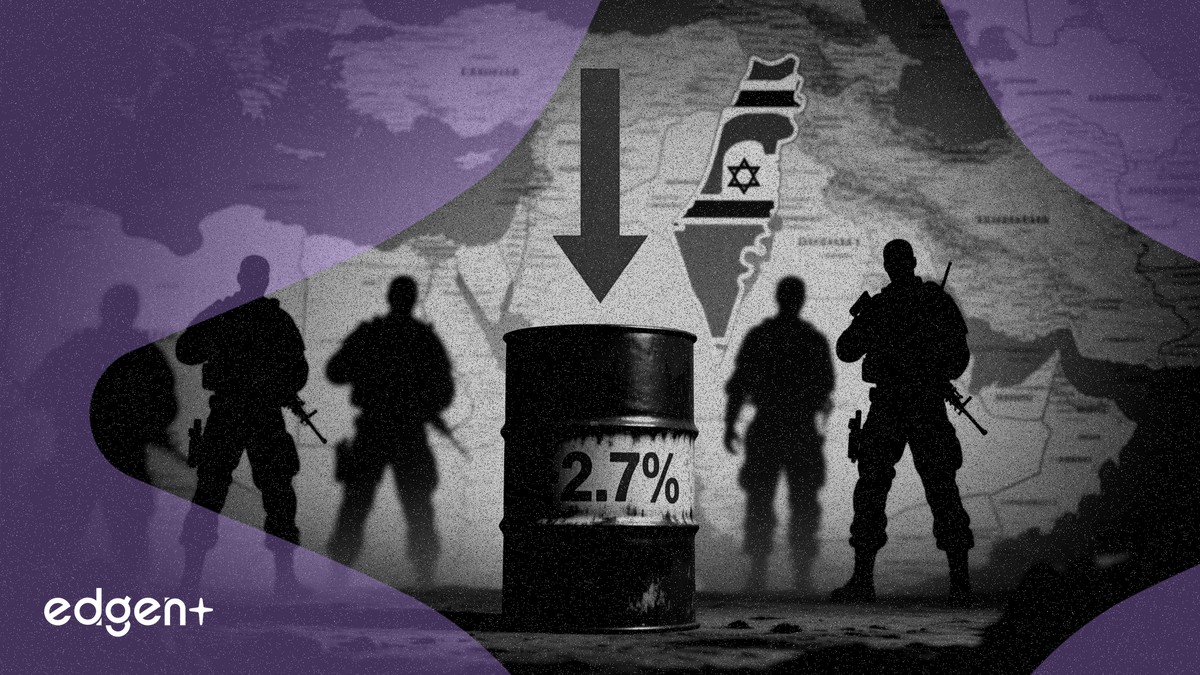
La menace d'une milice irakienne de riposter contre Israël suite aux attaques sur le Liban envoie une nouvelle vague de risque géopolitique sur les marchés de l'énergie, poussant les prix du pétrole à la hausse alors que les traders évaluent le potentiel d'un conflit régional plus large. L'avertissement du groupe de la « Résistance islamique » irakienne met fin à un cessez-le-feu de deux semaines et défie directement la stabilité d'une région critique pour l'approvisionnement énergétique mondial, entraînant un bond de 2,7 % des contrats à terme sur le brut WTI à 115,42 $ le baril.
« Les marchés continuent d'intégrer une prime de risque géopolitique accrue, alimentée par l'escalade des tensions entre les États-Unis et l'Iran et l'échéance imminente de la réouverture du détroit d'Ormuz », a déclaré Naeem Aslam, directeur des investissements chez Zaye Capital Markets, dans un commentaire.
La réaction du marché a été immédiate, les contrats à terme sur le brut Brent augmentant également de 1,8 % pour atteindre 111,69 $ le baril. Ce mouvement reflète l'inquiétude croissante quant au fait que toute escalade pourrait perturber des approvisionnements mondiaux déjà tendus. Selon les stratégistes d'ING, une nouvelle escalade pousserait inévitablement les prix du pétrole à la hausse et augmenterait les attentes de hausses de taux par les banques centrales dans leur lutte pour contenir l'inflation.
L'enjeu est l'équilibre fragile d'un marché pétrolier où, comme le note Aslam de Zaye Capital, des perspectives d'approvisionnement structurellement tendues et une demande en reprise maintiennent déjà les prix fermement au-dessus de 100 $ le baril. La menace de la milice irakienne ajoute une couche supplémentaire de complexité, d'autant plus que les espoirs de réouverture du détroit d'Ormuz par l'Iran s'estompent. Toute perturbation de ce goulot d'étranglement critique pourrait avoir de graves conséquences pour les expéditions mondiales de pétrole. Les stratégistes d'ING ont également noté qu'un rapport sur l'emploi aux États-Unis meilleur que prévu suggère que l'économie américaine pourrait être mieux positionnée que d'autres pour résister aux retombées économiques, un facteur qui pourrait inciter la Réserve fédérale à maintenir une position plus hawkish.
Cet article est fourni à titre informatif uniquement et ne constitue pas un conseil en investissement.