
A fragile ceasefire in the Middle East faces a critical test as Iran offers to reopen the Strait of Hormuz in a deal that would defer nuclear talks, a proposal the U.S. has already signaled it will reject.
A fragile ceasefire in the Middle East faces a critical test as Iran offers to reopen the Strait of Hormuz in a deal that would defer nuclear talks, a proposal the U.S. has already signaled it will reject.
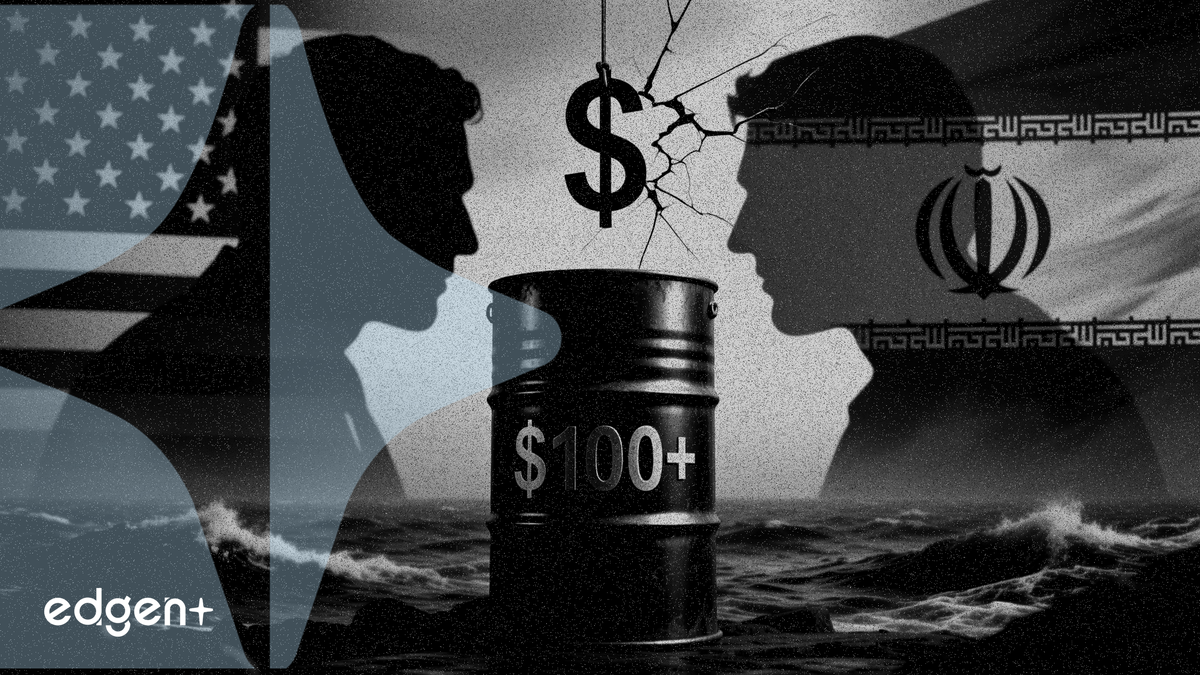
Iran has offered to end its blockade of the Strait of Hormuz, a critical artery for global energy supplies, in exchange for the U.S. lifting its naval blockade and ending the nine-week war, according to two regional officials. The proposal, transmitted via Pakistani mediators, notably postpones negotiations on Tehran’s nuclear program, a move that directly conflicts with Washington's core demands and places the fragile ceasefire on precarious ground. Brent crude, the international benchmark, held above $108 a barrel on the news, nearly 50% higher than before the conflict began.
"What they mean by opening the straits is, yes, the straits are open, as long as you coordinate with Iran, get our permission, or we’ll blow you up and you pay us," U.S. Secretary of State Marco Rubio said in an interview with Fox News. "That’s not opening the straits. Those are international waterways."
The diplomatic standoff leaves the global economy counting the costs of the closure. Roughly 20% of the world's oil and gas passes through the strait in peacetime. Its closure has stranded around 20,000 seafarers on hundreds of vessels and sent shockwaves through supply chains, raising prices for everything from jet fuel to condoms. The conflict has killed at least 3,375 people in Iran and 2,521 in Lebanon, where fighting between Israel and Hezbollah continues despite a separate truce.
The Iranian proposal creates a diplomatic quandary for the White House, which must decide by May 1 whether to seek congressional approval to continue military operations under the War Powers Resolution. While President Trump has stated Iran sent a "much better" proposal after he canceled a trip by U.S. envoys to Islamabad, he has remained firm that any permanent deal must include the complete dismantlement of Iran's nuclear program.
Iranian Foreign Minister Abbas Araghchi embarked on a diplomatic tour that included stops in Pakistan, Oman, and a meeting with Russian President Vladimir Putin in St. Petersburg, seeking to build support for Tehran's position. While Russia voiced support for Iran's sovereignty, Gulf nations like Qatar and Saudi Arabia, which have been targeted by Iranian missiles during the war, are engaging cautiously. They seek a reopening of the strait to resume their own energy exports but remain wary of Iran's strategic ambitions. "Among regional players, the most emphasised topic by far is the Strait of Hormuz and maritime security," said Dania Thafer, executive director of the Gulf International Forum.
The impact of the Hormuz closure is rippling through the global economy. With its own ports blockaded, Iran has suspended some steel exports and is rerouting food imports through the Caspian Sea. In Pakistan, new transit routes have been opened to allow third-country goods to reach Iran, potentially softening the blow of U.S. sanctions. The crisis has also prompted China, Iran's largest oil customer, to oppose U.S. sanctions on a Chinese refinery for purchasing Iranian crude. The far-reaching consequences highlight the world's vulnerability to a single geopolitical flashpoint, with the U.N. warning of the "worst supply chain disruption since COVID-19 and the war in Ukraine."
This article is for informational purposes only and does not constitute investment advice.