
Heightened military readiness in Iran threatens to push global crude prices above $100 a barrel as traders re-evaluate the risk of a wider conflict in the Middle East.
Heightened military readiness in Iran threatens to push global crude prices above $100 a barrel as traders re-evaluate the risk of a wider conflict in the Middle East.
Iran’s armed forces are on high alert following a directive from the commander-in-chief to repel any potential ground invasion, a move that sent Brent crude futures surging 2.5% to over $92 a barrel. The order, confirmed by Iranian Army spokesman Akraminia on April 16, includes instructions that “no invader would leave alive,” signaling a sharp escalation in the region’s military posture.
“For us, there is not much difference between ceasefire and wartime,” Akraminia said in an interview with state television, emphasizing the military’s readiness for immediate conflict.
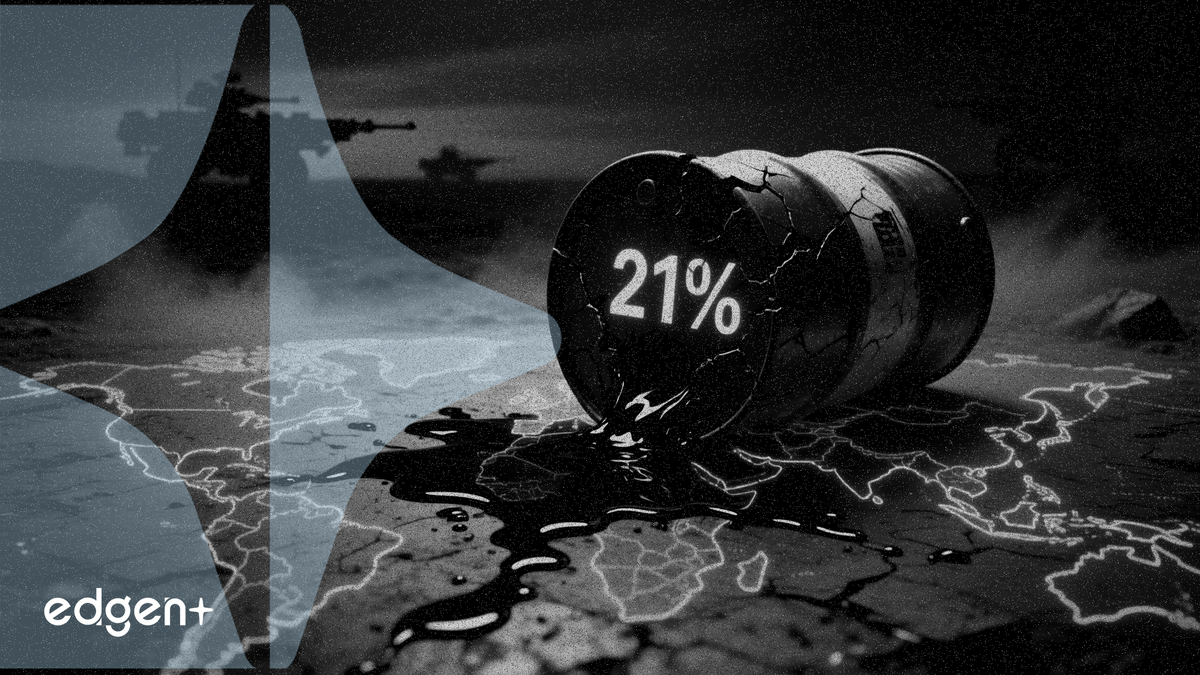
The market reaction was swift, reflecting the critical role of the Strait of Hormuz, through which 21% of global oil consumption passes daily. Beyond the jump in Brent crude, gold prices climbed 1.8% to $2,388 an ounce as investors sought safe-haven assets. In equity markets, the S&P 500 Volatility Index (VIX) jumped more than 10% to 19.2, indicating rising investor anxiety and a flight from risk.
This development places the global energy supply in a precarious position, with analysts now pricing in a significant geopolitical risk premium. The last time tensions in the Strait of Hormuz flared in 2019, oil prices jumped nearly 15% in a single week. Should the strait be closed, even temporarily, analysts at Goldman Sachs project crude could spike to $120 a barrel, threatening to derail global efforts to contain inflation and potentially tipping fragile economies into recession. The next 48 hours will be critical for observing naval movements and any response from the U.S. Fifth Fleet stationed in Bahrain.
This article is for informational purposes only and does not constitute investment advice.
