
Tehran's control of the world's most important oil chokepoint is a direct threat to the U.S. economy, former Defense Secretary Leon Panetta said Friday.
Tehran's control of the world's most important oil chokepoint is a direct threat to the U.S. economy, former Defense Secretary Leon Panetta said Friday.
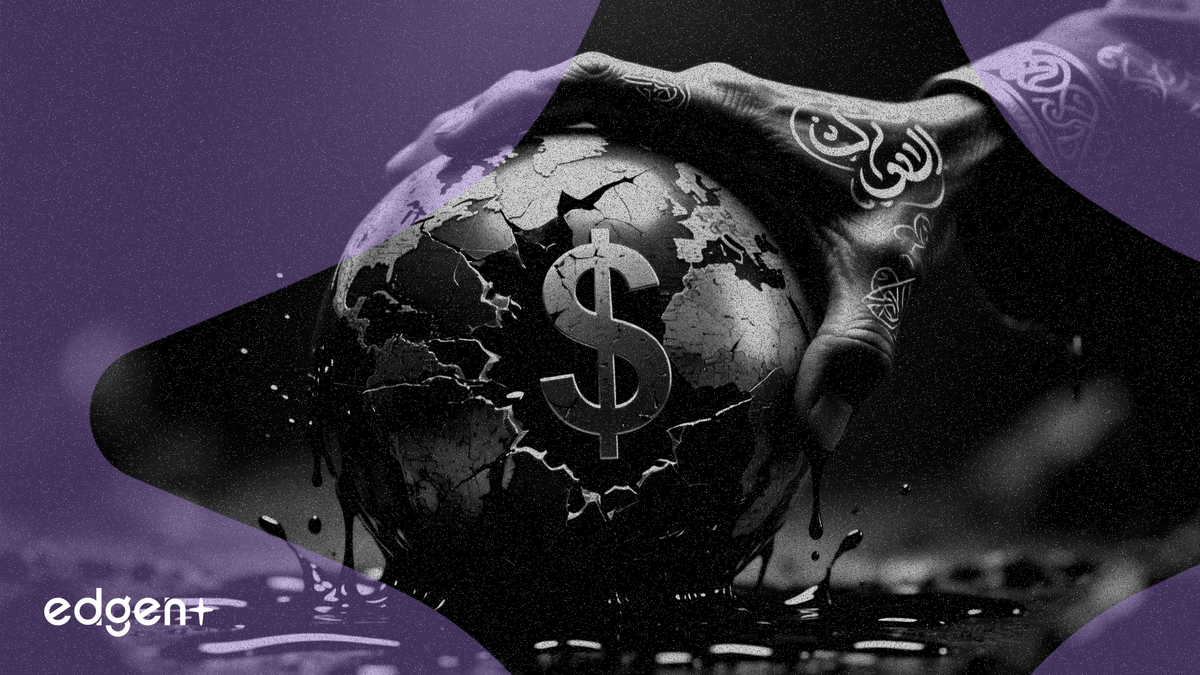
Iran's de facto control over the Strait of Hormuz, a waterway carrying a fifth of the world's energy supply, is exerting significant pressure on the U.S. economy by driving up inflation and fuel costs, former Defense Secretary Leon Panetta said Friday. The fragile situation makes the restoration of free passage central to diplomatic negotiations.
"Tehran's control of the Strait gives it significant leverage," Panetta, who also served as White House Chief of Staff, said. He stressed the importance of restoring free passage and questioned the lack of earlier military action to prevent the blockade.
Oil prices remain highly sensitive to the tensions. After a fragile ceasefire announced Wednesday caused prices to plunge from over $110 a barrel, both Brent and West Texas Intermediate crude futures have hovered near $96. That is significantly higher than the $65 to $73 range seen before the conflict began in late February.
The continued risk premium reflects deep market skepticism about the ceasefire's durability. Reports that Iran may formalize a toll equivalent to $1 per barrel for passage, according to the Financial Times, threaten to lock in higher energy costs permanently and hand Tehran a powerful economic weapon.
While no official toll has been implemented, analysts from Lloyd's List Intelligence report that Iran's Islamic Revolutionary Guard Corps has already imposed a "de facto 'toll booth' regime." This has created a chilling effect on commercial shipping, with daily vessel traffic through the strait plummeting from more than 100 ships per day to an average of just 10 in April, according to data from Marine Traffic.
"There will be a permanent risk premium in the markets in terms of oil prices," Neil Shearing, chief economist at Capital Economics, told CBS News. "I think we are in a world where oil prices will be more elevated as a result of this."
The near-total closure of the strategic route has rattled energy markets, and physical traders remain cautious, waiting for clearer signs the ceasefire will hold before seeking cargoes from the Gulf. "The chances of a meaningful reopening any time soon look dim," said Vandana Hari, founder of oil market analysis provider Vanda Insights.
Reflecting the uncertainty, Goldman Sachs trimmed its second-quarter 2026 forecast for Brent crude to $90 a barrel from $99, acknowledging the reduced immediate war risk but not a full return to normal. The last time the Strait was significantly threatened during the 1980s "Tanker War," oil prices doubled in a matter of months, a historical precedent for how quickly regional instability can trigger a global economic shock.
This article is for informational purposes only and does not constitute investment advice.