

The death of a senior Iranian official from an attack blamed on the US and Israel sent crude prices surging, with traders bracing for potential military escalation in a market already tight on supply.
The death of a senior Iranian official from an attack blamed on the US and Israel sent crude prices surging, with traders bracing for potential military escalation in a market already tight on supply.
The death of a senior Iranian official from an attack blamed on the US and Israel sent crude prices surging, with traders bracing for potential military escalation in a market already tight on supply.
Oil prices jumped more than 2 percent after Iran announced the death of Kamal Kharrazi, a top foreign policy advisor, from injuries sustained in an April 1 attack that Tehran has attributed to the US and Israel.
“Markets continue to price in a heightened geopolitical risk premium driven by escalating U.S.-Iran tensions and the looming deadline on reopening the Strait of Hormuz,” Naeem Aslam, chief investment officer at Zaye Capital Markets, said in a commentary.
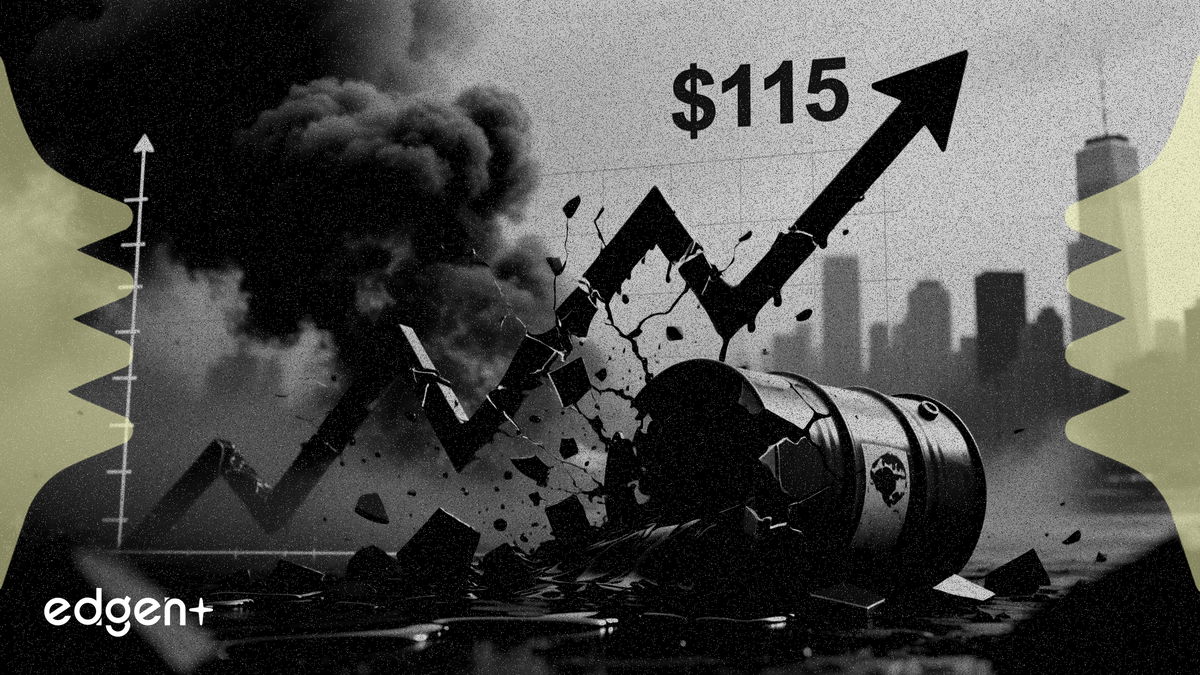
The escalation sent front-month WTI crude oil futures 2.7% higher to $115.42 per barrel, while the global benchmark, Brent crude, rose 1.8% to $111.69. The price shock increases pressure on global central banks, with ING strategists noting that a further escalation would inevitably "increase expectations of rate hikes."
With hopes fading for Iran to meet a US deadline to reopen the critical Strait of Hormuz, the market is now focused on the risk of direct conflict. Any disruption to the strait, a chokepoint for a fifth of global oil supply, would severely test a market already contending with a structurally tight supply outlook and recovering demand.
The death of Kharrazi, a former foreign minister and a key advisor to Supreme Leader Ayatollah Ali Khamenei, marks a significant escalation in the region's shadow war. Iranian state media reported his wife was also killed in the April 1 attack. The public attribution of blame to both the United States and Israel raises the probability of a direct and overt response from Tehran, moving beyond the proxy conflicts that have defined recent tensions.
The price surge reflects a market highly sensitive to supply-side risks. According to the Wall Street Journal, oil prices are being kept firmly above $100 a barrel due to the tight supply-demand balance. This latest geopolitical flare-up adds a significant premium on top of already elevated prices. Investors are now watching for any signs of military movements near the Strait of Hormuz or retaliatory strikes on energy infrastructure in the region, which could trigger a much larger price spike. The event is also causing a flight to safety in broader financial markets, with capital expected to move into assets like gold and the US dollar.
This article is for informational purposes only and does not constitute investment advice.