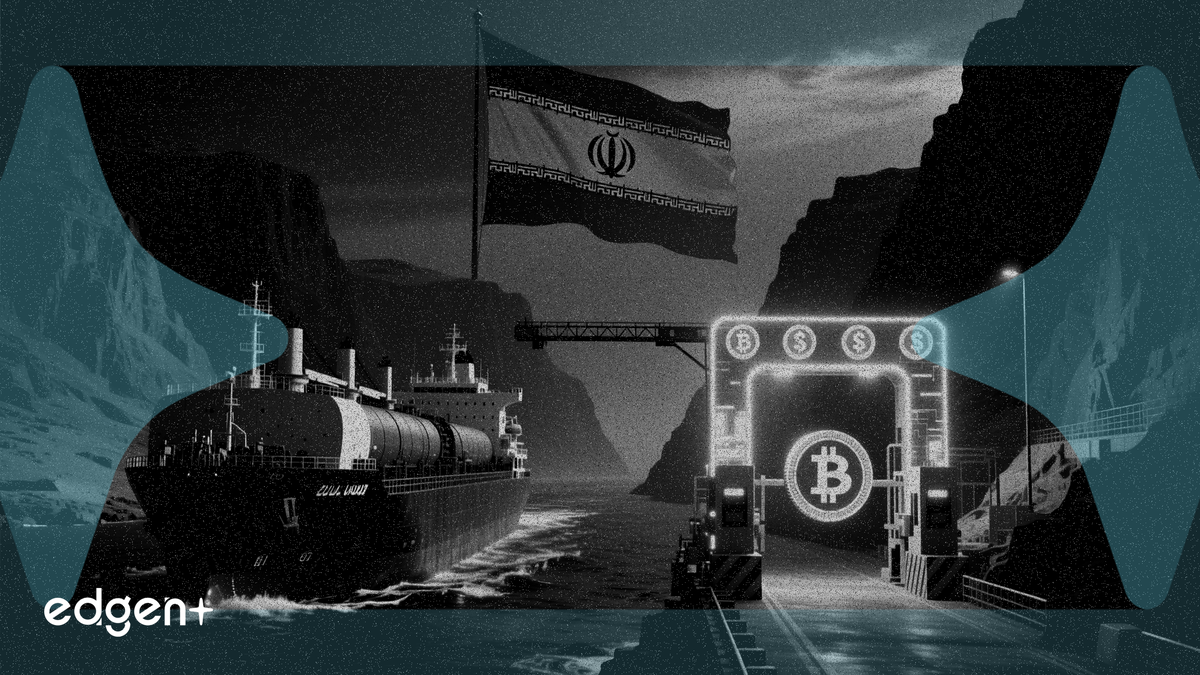
Iran is formalizing its control over the Strait of Hormuz, announcing plans for a fee-based transit system that could permanently alter global energy flows and further test the dominance of the US dollar.
An Iranian foreign ministry spokesperson confirmed on May 18 that Tehran is in “continuous communication” with Oman to create a new transit mechanism for the Strait of Hormuz, through which roughly a fifth of global oil supplies pass. The announcement, which identified the US and Israel as threats to the waterway’s security, adds a new layer of geopolitical risk to energy markets that have been on edge since the regional conflict began on February 28.
“A professional mechanism will soon be unveiled by Iran to manage traffic in the Strait of Hormuz along a designated route,” Ebrahim Azizi, Chairman of the Iranian parliament's National Security and Foreign Policy Committee, said in a post on X. “In this process, only commercial vessels and parties cooperating with Iran will benefit from it,” adding that “necessary fees will be collected for the specialised services provided under this mechanism.”
The formalization of Iranian control comes after its blockade of the waterway sent Brent crude prices jumping by about 50 percent and brought regional shipping to a near-standstill. The escalation follows a recent drone attack that caused a fire at the UAE’s Barakah Nuclear Power Plant, an act widely condemned by Saudi Arabia, Kuwait, Bahrain, and Egypt, further heightening regional tensions.
The plan to charge for passage represents a direct challenge to Washington’s longstanding role as the guarantor of maritime security in the Gulf and threatens to accelerate a shift away from the US dollar in the global oil trade. With supplies disrupted, major Asian importers, including China, Japan, and India, have reportedly entered into opaque, bilateral arrangements with Tehran to secure passage for vital crude and LNG shipments, often with tracking systems turned off to avoid detection.
A New Reality for Global Shipping
The proposed system institutionalizes Iran’s de facto control over the strait. Tehran has signaled it will be selective about who gains passage. “We had given up our right of sovereignty over the Strait of Hormuz, and we previously allowed the passage of military equipment that was intended to be used against us. We will not permit that again,” Iran’s First Vice President Mohammad Reza Aref said, indicating a tougher stance on military vessels.
This new framework effectively creates a two-tier system for one of the world’s most critical energy arteries, rewarding nations that maintain diplomatic and economic ties with Tehran while punishing those aligned with the US and Israel. The move has forced a rapid recalculation in capitals from Tokyo to New Delhi, which depend heavily on Middle Eastern crude.
Petrodollar System Under Pressure
These evolving trade patterns are adding to the slow erosion of the dollar’s dominance in global energy markets. According to a Reuters analysis, it is highly likely many of the direct deals for Hormuz passage are being settled outside the traditional dollar-based system, using either other currencies or informal barter arrangements.
This trend predates the current conflict but is being accelerated by it. In 2023, India and the UAE agreed to settle bilateral trade in rupees and dirhams, part of a broader push by emerging economies to reduce their reliance on the dollar. The Hormuz crisis is forcing more countries down this path, potentially leading to a more fragmented and less transparent global energy trading system. While no single currency is poised to replace the dollar, the conflict could weaken Washington’s ability to use financial sanctions as a primary tool of foreign policy.
Region on High Alert
The announcement comes amid a backdrop of stalled US-Iran negotiations and continued military volatility. Despite mediation efforts by Pakistan, talks to reopen the strait and de-escalate the conflict have failed to produce a breakthrough. US President Donald Trump has issued stark warnings to Tehran, recently posting an AI-generated image of himself on a warship with the caption “It was calm before the storm,” suggesting a low tolerance for the current stalemate.
Meanwhile, the region remains a tinderbox. A drone attack on the UAE’s Barakah nuclear facility on May 17, though causing no radiological impact, drew swift condemnation and highlighted the vulnerability of critical infrastructure. In response to ongoing threats, the United Kingdom has deployed a new low-cost anti-drone system on its RAF Typhoon jets operating in the Middle East.
This article is for informational purposes only and does not constitute investment advice.