
Tehran’s direct threat to retaliate against any nation launching attacks on its energy infrastructure marks a significant escalation in the Persian Gulf standoff.
Tehran’s direct threat to retaliate against any nation launching attacks on its energy infrastructure marks a significant escalation in the Persian Gulf standoff.
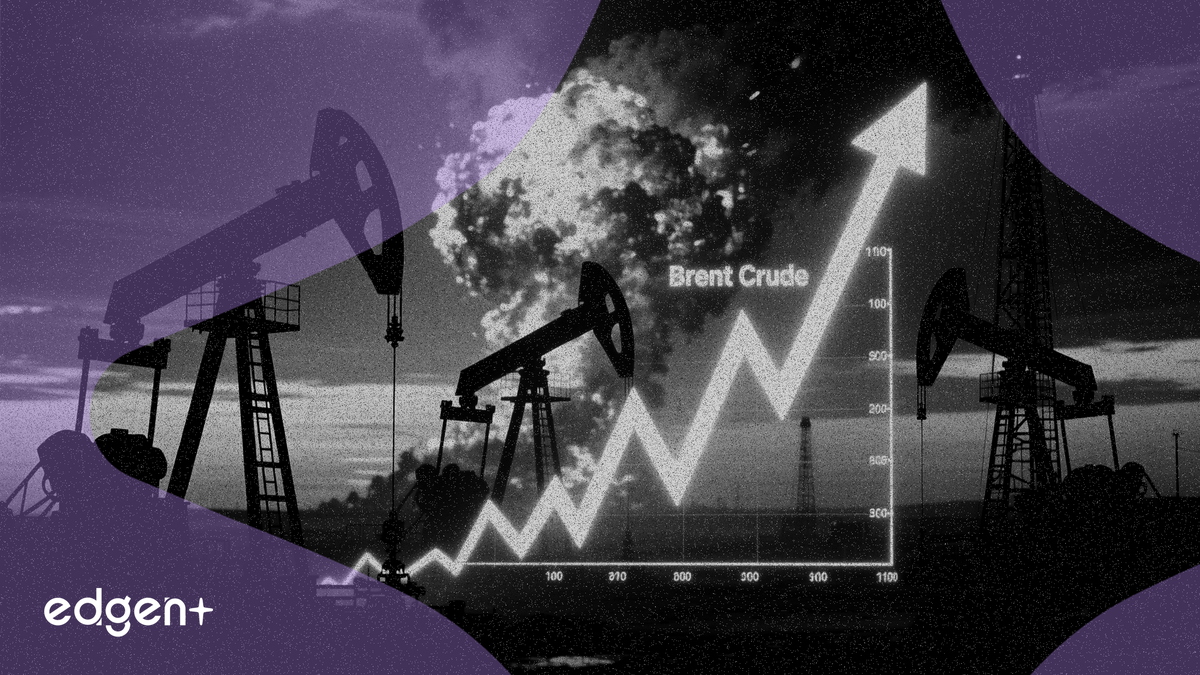
Iran issued a direct threat to retaliate against the oil fields of any country used as a base for attacks on its energy infrastructure, a sharp escalation of tensions that pushed Brent crude futures 2.5% higher to $92.50 a barrel. The move signals a new, more dangerous phase in the standoff between Tehran and the U.S., threatening to draw regional powers into a direct conflict.
"If any of Iran's oil wells are attacked, we will retaliate by targeting the oil fields of the country from which the attack originated," Iranian Vice President Ismail Saghab Isfahani said at a rally in Eslamshahr.
The threat follows a period of heightened conflict in the Persian Gulf, where the U.S. military has been ordered to "shoot and kill" Iranian boats and is actively clearing mines from the Strait of Hormuz. The critical waterway, which handles 20% of global oil trade, remains closed, while the U.S. recently seized a tanker, the Majestic X, for smuggling Iranian crude.
The explicit threat moves beyond targeting vessels to threatening the sovereign territory of other nations, dramatically increasing the risk of a wider regional conflict. This could force a significant risk premium on oil prices for an extended period, complicating the global economic outlook as markets await a potential Israeli offensive against Iran, pending what Israel's defense minister called a "green light" from the United States.
The standoff has effectively shuttered the Strait of Hormuz, with no immediate end in sight. BIMCO, the world’s largest international shipping association, stated that shipping companies require "a stable ceasefire and assurances" from both the U.S. and Iran to resume transit. The group’s chief safety officer, Jakob Larsen, also noted that mine clearance efforts could take several weeks, representing a significant hurdle to restoring the flow of oil.
The closure has removed a fifth of the world's traded oil from the market, putting sustained upward pressure on prices. The U.S. has deployed a third aircraft carrier, the USS George H.W. Bush, to the Middle East, joining the USS Abraham Lincoln and USS Gerald R. Ford in the region in a clear show of force.
The rhetoric from Tehran has grown more defiant. Iran’s judiciary chief, Gholamhossein Mohseni Ejehi, recently touted the strength of the Revolutionary Guard's "mosquito fleet" of speedboats and underwater drones, warning against the U.S. naval presence. This follows Iranian attacks on three cargo ships in the Strait, two of which were captured.
Adding to the volatility, Israel's Defense Minister, Israel Katz, said Thursday that his country is prepared to resume war with Iran and is merely awaiting U.S. approval. "We are waiting for a green light from the United States," Katz said, confirming that military "targets are marked." While a fragile ceasefire between Israel and Lebanon's Hezbollah was extended, the underlying tensions with Iran, Hezbollah's primary sponsor, continue to build.
This article is for informational purposes only and does not constitute investment advice.
