
Tahran, gemi alıkoymaları nedeniyle ABD'ye karşı “benzeri görülmemiş askeri eylem” tehdidinde bulunarak dünya günlük petrol arzının beşte birinden sorumlu olan su yolundaki gerilimi tırmandırdı.
Tahran, gemi alıkoymaları nedeniyle ABD'ye karşı “benzeri görülmemiş askeri eylem” tehdidinde bulunarak dünya günlük petrol arzının beşte birinden sorumlu olan su yolundaki gerilimi tırmandırdı.
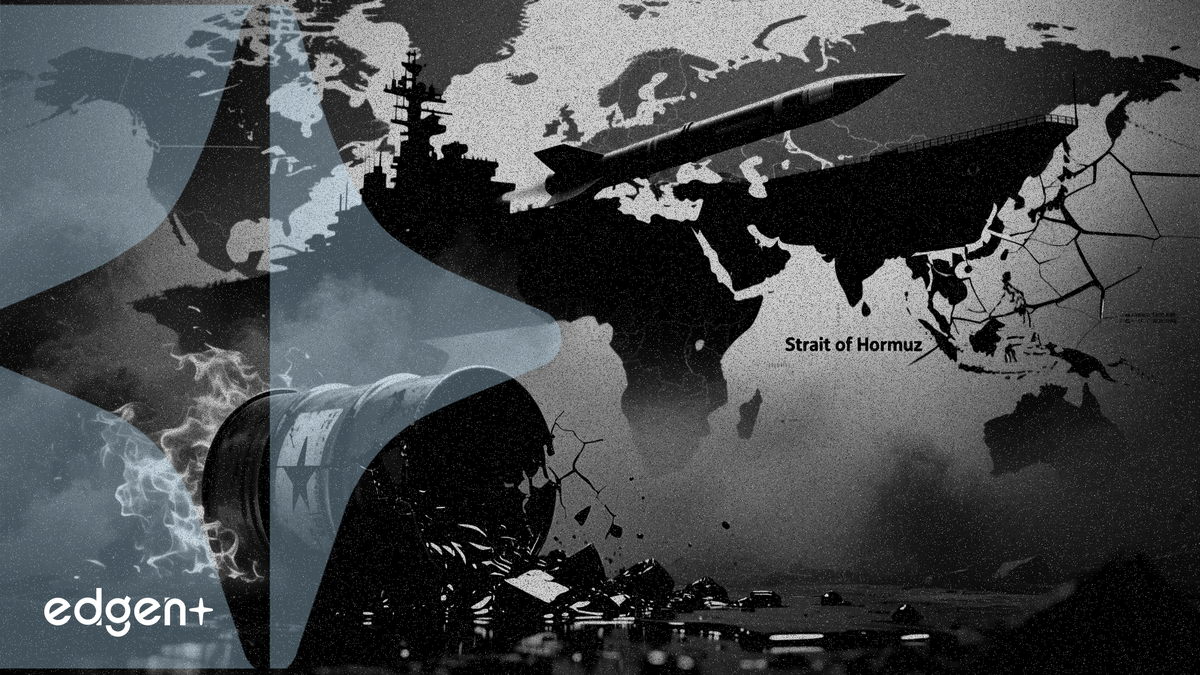
İran, ABD'nin İslam Cumhuriyeti ile bağlantılı gemilere el koymaya devam etmesi halinde “benzeri görülmemiş askeri eylem” gerçekleştireceği uyarısında bulundu; bu, Hürmüz Boğazı ile ilgili söylemlerde önemli bir tırmanış anlamına geliyor. İran'ın devlet televizyonu Press TV tarafından bildirilen tehdit, her iki tarafın gerçekleştirdiği bir dizi gemi alıkoyma olayının ardından geldi ve küresel enerji piyasaları için kritik bir damarı tehlikeye atabilecek doğrudan bir çatışma riskini artırıyor.
Uyarı, ABD ordusunun bu stratejik su yolundaki İran savunmasını potansiyel olarak hedef alacak planlar geliştirdiği bir dönemde geldi. ABD Merkez Komutanlığı'na (CENTCOM) göre, diplomatik çabaların gerilimi düşürmede başarısız olması durumunda Amerikan kuvvetleri harekete geçmeye hazır. CENTCOM yaptığı açıklamada, Orta Doğu'ya binlerce ek ABD kuvvetinin konuşlandırıldığını vurgulayarak, "Seyrüsefer özgürlüğüne yönelik her türlü tehdide yanıt verecek konumdayız" dedi.
Tırmanan tehditler, uluslararası petrol göstergesi olan Brent petrolün yüzde 1,2 artışla varil başına 90,50 dolara yükselmesiyle temel emtia piyasalarını yukarı çekti. Döviz piyasalarında, yatırımcıların güvenli liman varlıklarına yönelmesiyle ABD doları diğer para birimleri karşısında değer kazandı. Boğazdan geçen gemileri sigortalama maliyetinin de geçen hafta içinde iki katına çıktığı bildirildi.
Doğrudan bir askeri çatışma, Hürmüz Boğazı'ndan günlük geçen yaklaşık 21 milyon varil petrolü ciddi şekilde aksatabilir; bu miktar, küresel petrol sıvısı tüketiminin yaklaşık yüzde 21'ine eşdeğerdir. Böyle bir aksama muhtemelen ham petrol fiyatlarında önemli bir sıçramayı tetikleyecek, küresel enflasyonist baskıları artıracak ve piyasaların yüksek enerji maliyetlerini ve jeopolitik istikrarsızlığı fiyatlamasıyla hisse senetlerinde sert bir satış dalgasına neden olabilecektir.
İran'ı Arap Yarımadası'ndan ayıran dar su yolu, çekişmenin merkezi noktası haline geldi. Deniz güvenliği yetkililerine göre, Tahran son zamanlarda askeri varlığını artırdı ve İran hücum botlarının son haftalarda en az bir konteyner gemisine ateş açtığı bildirildi. ABD, daha fazla saldırganlığı caydırmak ve uluslararası ticaret için hayati önem taşıyan ticari nakliye yollarını korumak amacıyla donanma varlığını artırarak karşılık verdi.
Boğazda 2019 yılında meydana gelen ve birkaç tankere yapılan saldırıları içeren son büyük aksama, petrol fiyatlarında geçici olarak yüzde 20'ye yakın bir artışa neden olmuştu. Küresel enerji arzındaki mevcut darlık ve kalıcı enflasyon endişeleri göz önüne alındığında, bugün yaşanacak kalıcı bir kapanma veya önemli bir aksama daha belirgin bir etkiye sahip olabilir.
Küresel ekonomi için birincil risk, arz kaynaklı bir petrol şokudur. Birçok yatırım bankasındaki analistlere göre, ciddi bir aksama ham petrol fiyatlarını kolayca varil başına 120 doların üzerine çıkarabilir. Bu durum sadece enflasyonu körüklemekle kalmayacak, aynı zamanda güvenli limanlara kaçışı tetikleyerek altın ve ABD doları gibi varlıkları desteklerken hisse senetleri ve gelişmekte olan piyasa para birimleri gibi riskli varlıklar üzerinde ağır bir baskı oluşturabilecektir. Piyasa katılımcılarının hem Washington hem de Tahran'dan gelecek herhangi bir tırmanma veya de-eskalasyon işaretini yakından izlemesiyle durum oldukça değişkenliğini koruyor.
Bu makale yalnızca bilgilendirme amaçlıdır ve yatırım tavsiyesi teşkil etmez.
