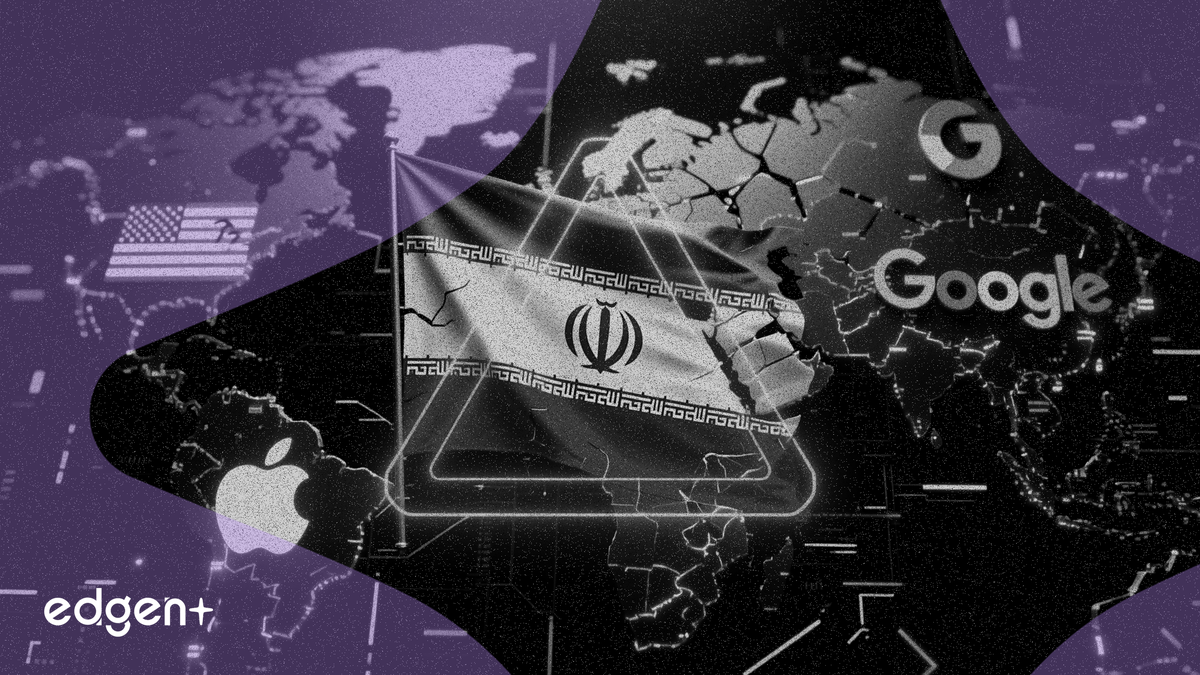
Geopolitical risk in the Middle East escalates as Iran’s Revolutionary Guard publicly targets 18 major US technology and AI companies.
Iran's Islamic Revolutionary Guard Corps announced on March 31 that it will target Middle East-based entities linked to 18 US technology firms, elevating geopolitical risk for companies including Apple Inc. (AAPL), Alphabet Inc.'s Google (GOOGL), and Microsoft Corp. (MSFT).
The announcement, distributed by the state-run Xinhua News Agency, did not specify the nature of the "strikes" or the exact entities that would be targeted, creating immediate uncertainty for US corporations with a presence in the region.
The threat immediately raises concerns for the stocks of the named companies, which also include Tesla Inc. (TSLA) and HP Inc. (HPQ). The move could trigger a broader risk-off sentiment in the tech sector, potentially increasing volatility in the Nasdaq 100 index. The elevated geopolitical risk could also spill over into commodity markets, particularly oil prices, should tensions escalate further.
This direct threat against American commercial interests marks a significant escalation in rhetoric and creates immediate uncertainty for US corporations operating in the Middle East. Investors will be closely watching for any specific actions or retaliatory measures, which could impact not only the tech sector but also global energy supply chains and defense-related stocks.
Heightened Risk for Tech Sector
The list of 18 targeted companies spans the heart of the US technology industry, from hardware makers to artificial intelligence leaders. The public nature of the threat is a clear attempt to create economic pressure and sow uncertainty for investors. While the direct operational impact remains unclear, the announcement is enough to force a re-evaluation of geopolitical risk for any of the named firms with operations, employees, or partnerships in the Middle East.
This event is reminiscent of previous escalations in the region, which have often led to short-term spikes in the price of Brent crude oil and a flight to safety in assets like gold and US Treasury bonds. The market's reaction in the coming days will depend on whether this is perceived as credible and imminent, or merely inflammatory rhetoric. The lack of specific details gives Iran flexibility, but also makes it difficult for markets to price the risk accurately, likely leading to higher implied volatility for the affected stocks.
This article is for informational purposes only and does not constitute investment advice.