
As a US deadline for renewed military action approaches, Iranian civilians are forming human chains around power plants and bridges, signaling a potential new phase in a conflict that has already pushed global crude prices up by over 50%.
As a US deadline for renewed military action approaches, Iranian civilians are forming human chains around power plants and bridges, signaling a potential new phase in a conflict that has already pushed global crude prices up by over 50%.
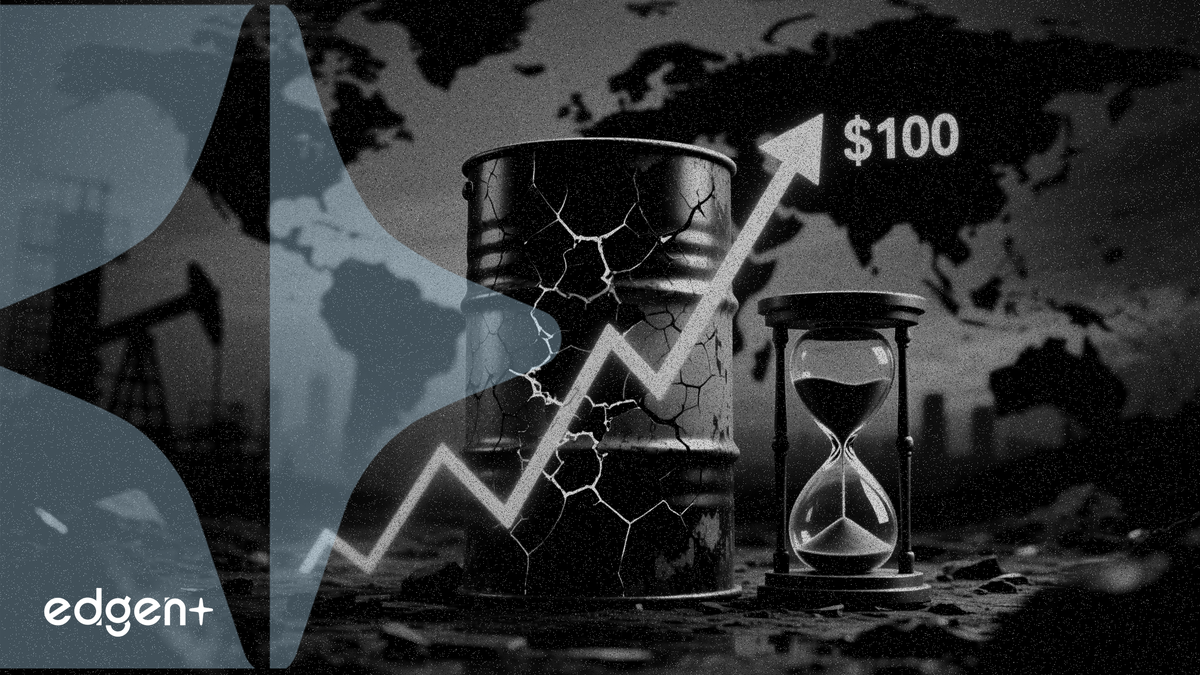
Iranian civilians began forming “human chains” to protect power plants and bridges on April 7, according to Iran’s Fars News Agency, just hours before a US-imposed deadline for halting attacks on Iranian energy infrastructure was set to expire. The move signals a deepening of the conflict that has seen crude oil prices jump from approximately $70 to over $110 a barrel after Iran moved to close the Strait of Hormuz, a critical artery for global energy supplies.
The conflict has analysts concerned about regional stability and possible disruptions to global energy markets. “How this conflict ends will be critical for global energy markets,” Ariel Cohen, a D.C.-based energy and security contributor, wrote for Forbes. “The situation is highly fluid, and nothing can be predicted precisely.”
The crisis, now in its second month, has already sent shockwaves through the global economy. The closure of the Strait of Hormuz, through which about 20% of daily global oil consumption passes, has pushed oil prices to sustained highs, with crude falling to about $100 only after President Trump announced a temporary halt to strikes until 8:00 PM EST on April 7. Before the conflict, approximately 20 million barrels per day moved through the strait.
The standoff places the global energy market at a precarious crossroads, with the next steps from Washington and Tehran holding the key. President Trump has warned the U.S. will destroy Iran’s energy plants and oil wells if interference with shipping continues, while Iran has derided a 15-point ceasefire plan as “maximalist and unreasonable.” The potential for a negotiated settlement exists, but so does the risk of a much wider war with severe economic consequences.
President Trump could resume and intensify pressure on Iran, potentially targeting key infrastructure like Kharg Island, the export hub for about 90% of the country's oil. Such a move would deal a massive blow to Tehran's revenue, as roughly half is generated from oil and gas. While Washington recently eased some sanctions to stabilize prices, a direct military escalation would vaporize that effort, diminishing global supply when markets are already fragile.
To mitigate the initial shock, OPEC+ members agreed to increase output by 206,000 barrels per day. However, analysts note this would be insufficient in a prolonged conflict. The winners in an escalation scenario would be oil producers outside the Middle East, such as those in the Atlantic Basin, the Caspian region, and Africa. The primary losers would be the Gulf producers and the global economy, which would face higher inflation and slower growth.
Several countries, including Pakistan and China, have stepped up to mediate a peaceful resolution. A five-point initiative supported by Saudi Arabia, Egypt, and Turkey aims to restore maritime traffic. In this scenario, a deal could be reached to fully reopen the Strait of Hormuz. The Trump administration had previously considered easing sanctions on Iranian oil stockpiles to inject more supply into the market.
If a settlement is reached, immediate concerns about energy supply would ease, and oil prices would likely trend back toward pre-war levels, although with a higher political risk premium baked in. While this would restore stability, both Russia and China could leverage the situation to paint the U.S. as an aggressor who failed to protect its allies or force Iran to abandon its nuclear ambitions.
A decisive military outcome where Iran is defeated and its nuclear and military capabilities are significantly degraded would likely see oil prices fall as the Strait reopens and supply returns to the market. This would reaffirm the U.S. role in ensuring freedom of navigation. Conversely, a scenario where the U.S. declares victory and leaves the region to manage the Strait would be politically disastrous, emboldening Iran and its partners, Russia, and China. This would likely lead to sustained higher oil prices and regional chaos.
As the deadline approaches, the formation of human shields by civilians adds a new, unpredictable dimension. It underscores the domestic resolve in Iran and raises the political cost of any further military strikes by the U.S. or its allies. Regardless of the outcome, the crisis has already triggered a strategic reassessment for energy importers worldwide, accelerating the push for diversification away from the volatile Gulf.
This article is for informational purposes only and does not constitute investment advice.