
A potential first meeting between Iranian Supreme Leader Mojtaba Khamenei and Russian President Vladimir Putin in August could signal a new phase in the 8-month-long conflict with the United States.
A potential first meeting between Iranian Supreme Leader Mojtaba Khamenei and Russian President Vladimir Putin in August could signal a new phase in the 8-month-long conflict with the United States.
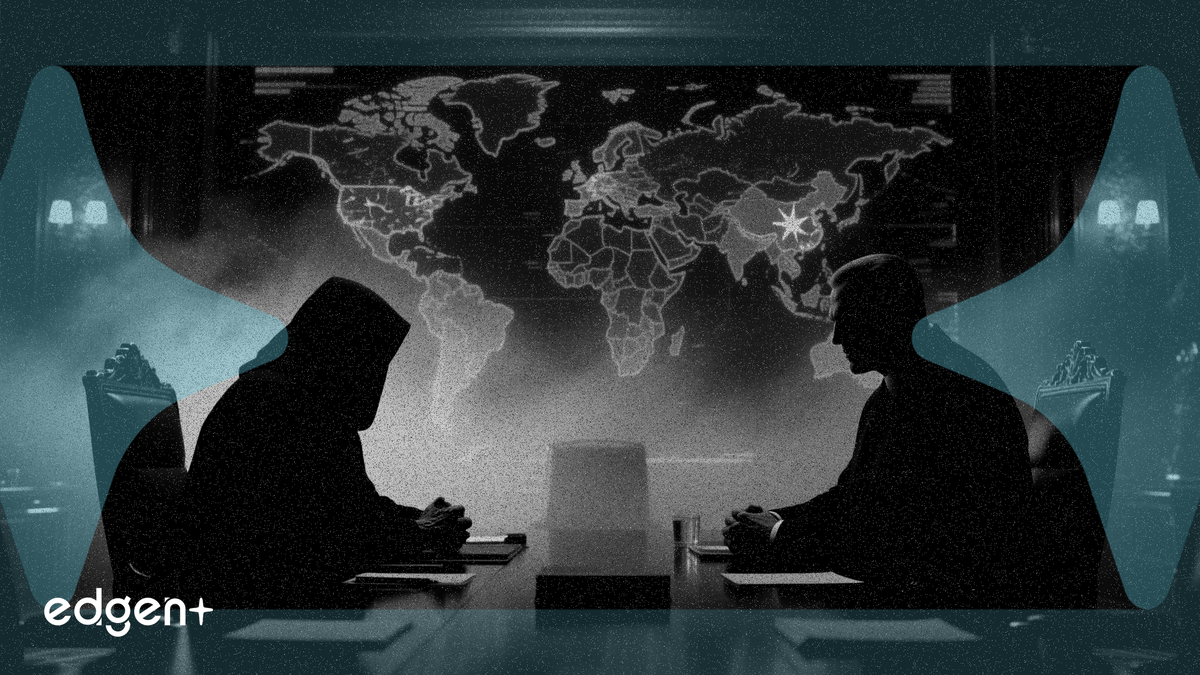
(P1) A potential first meeting between Iranian Supreme Leader Mojtaba Khamenei and Russian President Vladimir Putin is being planned for August, a move that would forge a powerful new axis just as reports emerge detailing the leader’s severe injuries from a past attack. The summit, floated to coincide with the Caspian Summit in Tehran on August 12, comes as Iran’s Revolutionary Guard Corps assumes greater control over the country’s security and foreign policy.
(P2) "If conditions allow, the summit will be held, and Mojtaba and Putin may hold a meeting," Iran's Ambassador to Russia, Kazem Jalali, told RIA Novosti on Saturday. He confirmed that Iran has not canceled plans to host the five-nation Caspian summit despite the ongoing war.
(P3) The announcement casts a new light on reports from The New York Times, which cited Iranian officials describing Khamenei's critical health condition. According to the report, one of the leader's legs has been operated on three times and is awaiting a prosthesis, while severe facial burns have made speech difficult. Key decision-making power is now reportedly in the hands of Revolutionary Guard commanders.
(P4) A formal meeting between Putin and Khamenei would present a formidable challenge to the US-led pressure campaign against Tehran, which includes a naval blockade of the Strait of Hormuz and sanctions on its oil trade. For Iran, it offers a powerful external ally amid internal uncertainty over leadership succession and the strain of an eight-month war that has crippled its economy.
The diplomatic overture toward Russia comes at a critical moment. A fragile ceasefire between the United States and Iran is nearing its expiration, and US envoys are in Pakistan for mediated talks, though Tehran has ruled out direct negotiations.
The Trump administration has intensified its economic warfare, placing new sanctions on a major China-based oil refinery and approximately 40 shipping companies involved in transporting Iranian crude. This follows the establishment of a naval blockade in the Strait of Hormuz, through which nearly 20 percent of global oil passes. The US Navy has turned back at least 27 vessels since the blockade began, according to US Central Command.
The reports of Khamenei’s health underscore a significant power shift within Iran. With the Supreme Leader’s public appearances curtailed, senior commanders of the Islamic Revolutionary Guard Corps (IRGC) have effectively taken control of key state, war, and diplomatic files.
This consolidation of power by the hardline institution, which has a long and close relationship with Mojtaba Khamenei since he joined its ranks during the Iran-Iraq war, suggests a hardening of Iran's posture. It indicates that even with its leader incapacitated, the country's strategic direction is being steered by its most ideologically committed and militarily powerful faction, making a diplomatic off-ramp with the US less likely.
This article is for informational purposes only and does not constitute investment advice.