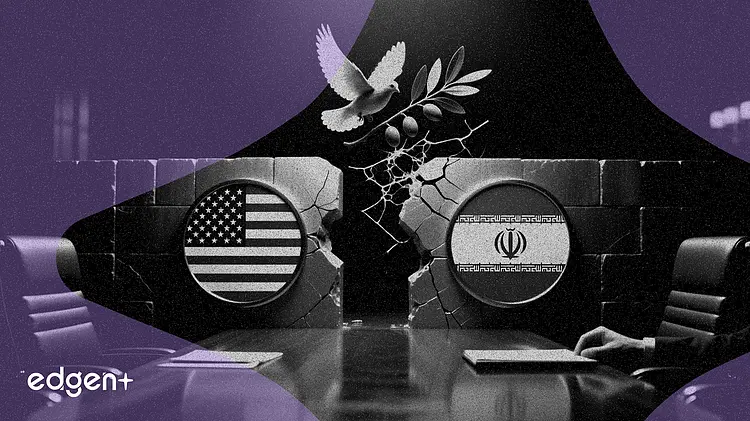
A fragile US-Iran ceasefire is under significant strain after Tehran issued two major preconditions just as a high-level American delegation was traveling to Pakistan for peace talks. The new demands threaten to derail negotiations aimed at ending a six-week conflict that has roiled global energy markets.
"Two of the measures mutually agreed upon between the parties have yet to be implemented: a ceasefire in Lebanon and the release of Iran's blocked assets prior to the commencement of negotiations," Iran's parliamentary speaker, Mohammad Bagher Ghalibaf, said in a statement on X on Friday. "These two matters must be fulfilled before negotiations begin."
The ultimatum introduces fresh uncertainty into the high-stakes diplomacy. The first condition involves unfreezing what news agency Reuters notes is "tens of billions of dollars" of Iranian assets from oil and gas exports, which are currently inaccessible due to international sanctions. The second demand is a halt to Israeli airstrikes in Lebanon, a front the US and Israel do not consider part of the current ceasefire. Israel has continued to strike Hezbollah, an Iran-backed militia, stating the operations are targeting terrorists.
The standoff places the negotiations, scheduled for Saturday in Islamabad, in jeopardy and raises the immediate risk of a return to hostilities. The current two-week ceasefire, which began on April 8, has already been criticized by President Donald Trump for failing to reopen the Strait of Hormuz, the transit point for about 20 percent of the world's oil. Iran has continued to restrict traffic, keeping energy prices elevated and exerting economic pressure on the West. A complete breakdown in talks could lead to a significant spike in oil prices and a broader risk-off turn in global markets.
The US delegation, led by Vice President JD Vance, was already in the air when Ghalibaf's statement was released. Before departing, Vance had told reporters he expected a "positive" outcome but warned that the US would not be played. The White House has not yet issued a formal response to the new conditions. The situation is further complicated by renewed fighting in Lebanon, where Hezbollah has resumed rocket attacks on northern Israel, prompting further Israeli airstrikes, according to the Institute for the Study of War.
This article is for informational purposes only and does not constitute investment advice.