
Tuyên bố của Tehran rằng các cuộc đàm phans là vô nghĩa sau khi các điều khoản trong kế hoạch 10 điểm bị vi phạm đã khiến giá dầu thô tăng vọt do rủi ro địa chính trị leo thang.
Tuyên bố của Tehran rằng các cuộc đàm phans là vô nghĩa sau khi các điều khoản trong kế hoạch 10 điểm bị vi phạm đã khiến giá dầu thô tăng vọt do rủi ro địa chính trị leo thang.
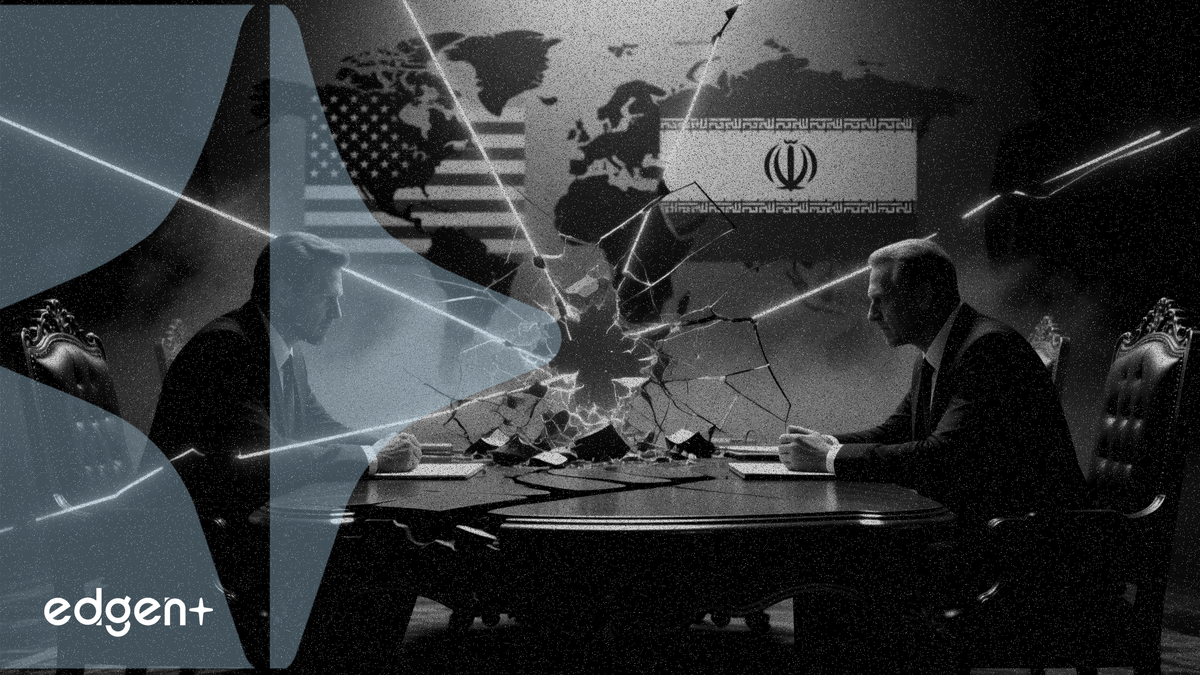
Chủ tịch Quốc hội Iran hôm thứ Ba cho biết cơ sở cho các cuộc đàm phán hạ nhiệt căng thẳng giữa Iran và Hoa Kỳ đã bị “phá hủy”, sau khi Tehran cáo buộc Mỹ vi phạm ba điều khoản chính của một thỏa thuận tạm thời gồm 10 điểm. Tin tức này đã đẩy giá dầu toàn cầu lên cao, với giá dầu thô Brent tương lai tăng 1,8%, giao dịch trên mức 111 USD/thùng.
"Cơ sở đàm phán đã bị phá hủy ngay cả trước khi nó bắt đầu," Mohammad Bagher Ghalibaf nói trong một tuyên bố. "Trong tình huống này, một lệnh ngừng bắn hay đàm phán đều vô nghĩa."
Ghalibaf đã nêu chi tiết ba vi phạm cụ thể: thất bại trong việc đảm bảo lệnh ngừng bắn ở Lebanon, một cuộc xâm nhập của máy bay không người lái vào không phận Iran trên tỉnh Fars và việc Mỹ phủ nhận quyền làm giàu uranium của Iran. Sự đổ vỡ diễn ra khi giá dầu thô WTI giao tháng gần nhất tăng 2,7% lên 115,42 USD/thùng, trong khi dầu Brent chốt phiên ở mức 111,69 USD.
Sự sụp đổ của khuôn khổ ngoại giao làm tăng đáng kể rủi ro địa chính trị ở Trung Đông, đe dọa sự lưu thông của gần một phần năm nguồn cung dầu thế giới qua Eo biển Hormuz. Các nhà phân tích tại ING lưu ý rằng sự leo thang hơn nữa chắc chắn sẽ đẩy giá dầu lên cao và tăng kỳ vọng tăng lãi suất của các ngân hàng trung ương, làm phức tạp thêm lộ trình chính sách của Cục Dự trữ Liên bang Mỹ (Fed).
Phản ứng của thị trường rất nhanh chóng, phản ánh mức bù rủi ro địa chính trị cao hơn. "Triển vọng nguồn cung thắt chặt về mặt cấu trúc và nhu cầu phục hồi đang giữ giá dầu ở mức vững chắc trên 100 USD/thùng," Naeem Aslam, giám đốc đầu tư tại Zaye Capital Markets cho biết. Đồng đô la cũng tìm thấy sự hỗ trợ như một tài sản trú ẩn an toàn, với các chiến lược gia của ING lưu ý rằng nền kinh tế Mỹ có thể ở vị thế tốt hơn để chịu đựng các tác động kinh tế so với những nền kinh tế khác.
Sự bế tắc hiện tại gợi nhớ lại các giai đoạn căng thẳng dâng cao trước đây ở Vịnh Ba Tư, vốn đã dẫn đến những giai đoạn giá dầu tăng cao kéo dài trong lịch sử. Ví dụ, sự gián đoạn lớn gần nhất tại Eo biển Hormuz vào năm 2019 đã khiến giá dầu Brent tăng vọt 15% tạm thời.
Eo biển Hormuz vẫn là một điểm nghẽn quan trọng đối với nguồn cung năng lượng toàn cầu. Theo Cơ quan Thông tin Năng lượng Mỹ (EIA), khoảng 21 triệu thùng dầu mỗi ngày, tương đương khoảng 21% lượng tiêu thụ chất lỏng dầu mỏ toàn cầu, đi qua eo biển này. Bất kỳ sự gián đoạn nào, dù ngắn ngủi, cũng có thể gây tác động đáng kể đến thị trường năng lượng toàn cầu và kinh tế thế giới.
Bài viết này chỉ mang tính chất thông tin và không cấu thành lời khuyên đầu tư.