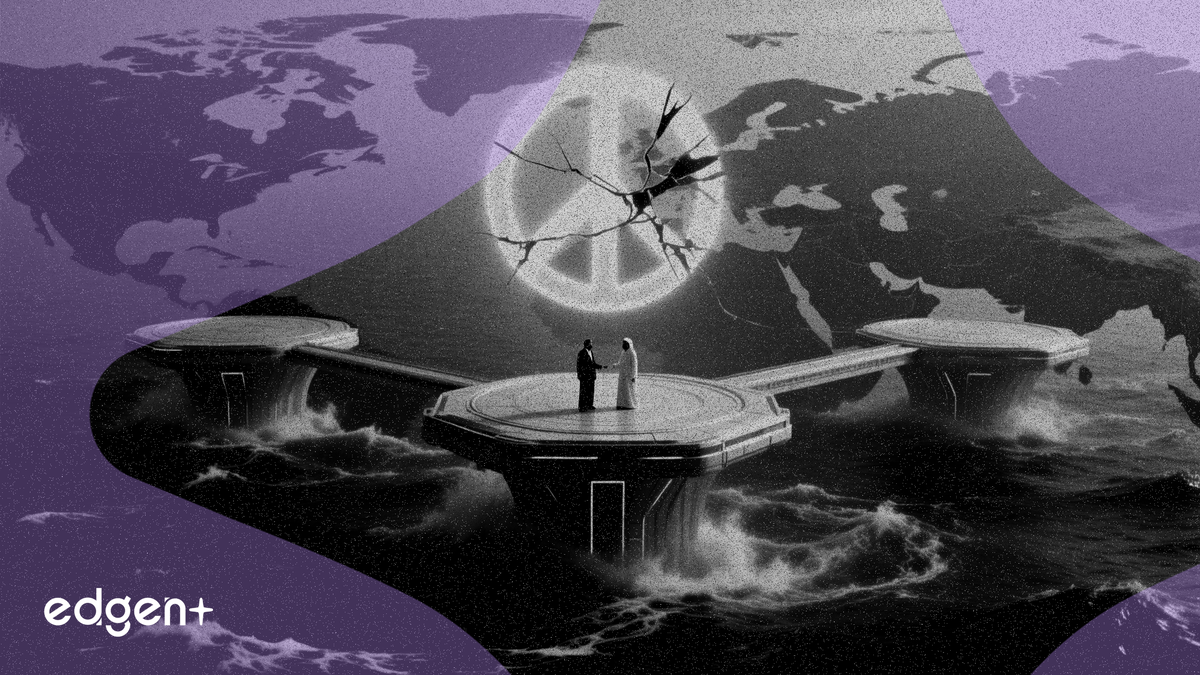
(P1) Iran has proposed a three-stage de-escalation plan to the United States through intermediaries, aiming to end the current war and establish a new security framework for the Strait of Hormuz before tackling the nuclear issue. The proposal, conveyed via Pakistan and Oman on April 26-27, represents a structured attempt to unwind the recent conflict that has pushed oil prices higher and increased regional risk.
(P2) "A turning point occurred during the meeting with the Omani side," Pakistani journalist Absar Alam Haider said in a social media post, detailing a proposal to include Saudi Arabia in any new mechanism governing the Strait of Hormuz. This development reportedly caused Iranian Foreign Minister Hossein Amir-Abdollahian to alter his travel plans and return to Islamabad to update Pakistani officials acting as intermediaries.
(P3) The proposal's first stage demands a complete end to the war and guarantees against renewed attacks on Iran and Lebanon. Only after securing this would a second stage begin, focused entirely on the management of the Strait of Hormuz, through which over 20 percent of global oil consumption passes. The final stage, addressing Iran's nuclear program, is conditional on the success of the preceding steps.
(P4) This sequencing prioritizes Iran's immediate security concerns and economic lifelines over the long-standing international focus on its nuclear program. The success of this diplomatic overture is far from certain, but it offers a potential off-ramp from a conflict that has threatened to destabilize the Middle East. The inclusion of regional powers like Saudi Arabia could reshape Gulf security dynamics, but also adds complexity to any potential negotiations.
Hormuz Security at the Forefront
The Iranian initiative places significant emphasis on creating a new cooperative security structure for the Strait of Hormuz. The suggestion to include Saudi Arabia, and by extension Qatar, marks a potential shift in regional diplomacy. Historically, tensions in the Strait have led to significant volatility in energy markets. For instance, similar escalations in 2019 saw Brent crude futures jump by nearly 15 percent in a single day.
The plan was detailed after Iranian Foreign Minister Amir-Abdollahian, initially en route to Russia, made a second stop in Islamabad on April 26. This followed meetings in Muscat with Omani Sultan Haitham bin Tariq. Oman and Pakistan have traditionally served as key intermediaries between Iran and the West. The success of these negotiations could hinge on the willingness of all parties, including regional rivals, to engage with the new framework.
This article is for informational purposes only and does not constitute investment advice.