
Key Takeaways:
- US officials said Iran will permanently abandon its nuclear program
- WTI crude fell 3.6% to $84.50 on deal expectations
- A 60-day technical negotiation period will clarify enrichment protocols
Key Takeaways:
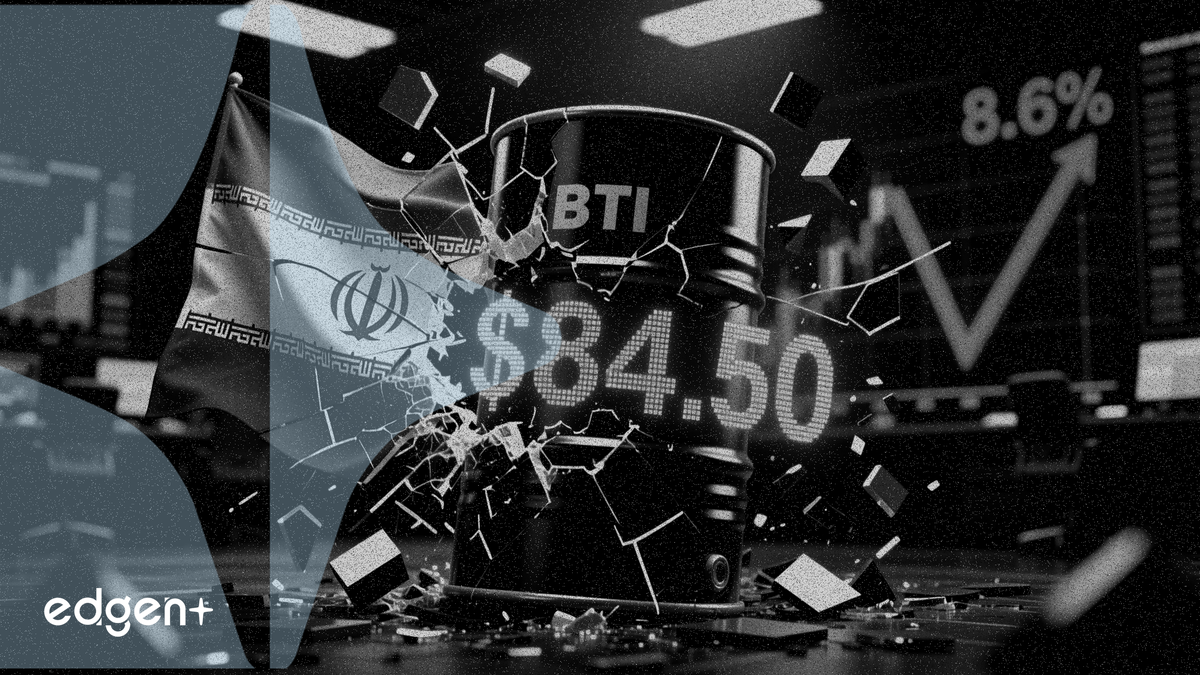
US officials said Iran will pledge to permanently abandon its nuclear program, sending WTI crude oil futures down 3.6% as traders priced in the potential reopening of the Strait of Hormuz.
US officials said Iran will commit to permanently ending its nuclear weapons program, with civilian nuclear facilities deemed acceptable to both the US and Israel, sending WTI crude oil futures down 3.6% to $84.50 a barrel on expectations a deal could unlock 20% of global oil supply.
"The market is pricing in a genuine breakthrough — the nuclear concession is the core demand that Washington and Tel Aviv have insisted on since February," said Elena Fischer, geopolitical risk analyst at Edgen. "But the 60-day technical talks leave plenty of room for collapse."
The framework envisions Iran permanently ending its uranium enrichment program while retaining civilian nuclear facilities acceptable to the US and Israel, according to officials. A 60-day technical negotiation period would clarify enrichment protocols and verification mechanisms. WTI crude has fallen more than 15% from its war-time peak above $100, though prices remain roughly 30% above pre-conflict levels in late February.
The stakes extend beyond oil markets. The Strait of Hormuz, which carries a fifth of the world's crude and liquefied natural gas, has been effectively closed since March, contributing to US inflation hitting a three-year high of 4.2%. If the 60-day talks succeed, the administration has pledged the strait could reopen within two to three days, potentially reversing the energy-driven price pressures that have pushed Federal Reserve rate cuts off the table for 2026.
The $24 Billion Sticking Point
One of the primary obstacles in the negotiations has been the status of $24 billion in frozen Iranian assets. Iran has demanded the immediate release of $12 billion as part of an interim deal, describing the funds as "our own money, not America's money," according to Mohsen Rezaei, a top military adviser to Supreme Leader Ayatollah Mojtaba Khamenei. The Trump administration has simultaneously pursued a plan to redirect those assets toward Gulf allies for war damage compensation, a move that Bloomberg reported risks further chilling negotiations.
President Donald Trump has declared a deal imminent at least 37 times since the conflict began on Feb. 28, according to CNN. On Tuesday, he wrote on social media that Iran had "taken too long to negotiate," warning that more attacks would be forthcoming. The mixed messaging has kept oil markets on edge, with Brent crude swinging between $80 and $95 over the past month as traders weigh each diplomatic signal.
Historical Precedent and the Risk of Quagmire
Former CIA Director and Defense Secretary Leon Panetta has described the conflict as "Trump's Vietnam," warning that the US has overestimated its military prowess and underestimated Iran's resilience. The comparison carries weight: the last time the US tore up a nuclear agreement with Iran — the 2015 Joint Comprehensive Plan of Action, which the Trump administration abandoned in 2018 — it took six years and a regional war to return to negotiations. Chevron CEO Mike Wirth warned last week that global petroleum buffers are "being steadily drawn down," with industry executives privately telling the White House that prices are about to surge dramatically over the next month.
The 60-day technical talks represent the most concrete diplomatic framework since the war began. If successful, Iranian oil could re-enter global markets, adding supply that would benefit oil-importing nations and sectors such as airlines and shipping while pressuring US energy producers. If they fail, the market faces the prospect of a prolonged conflict that threatens to push oil prices back above $100 and deepen the economic strain on an American electorate already grappling with 4.2% inflation.
This article is for informational purposes only and does not constitute investment advice.
