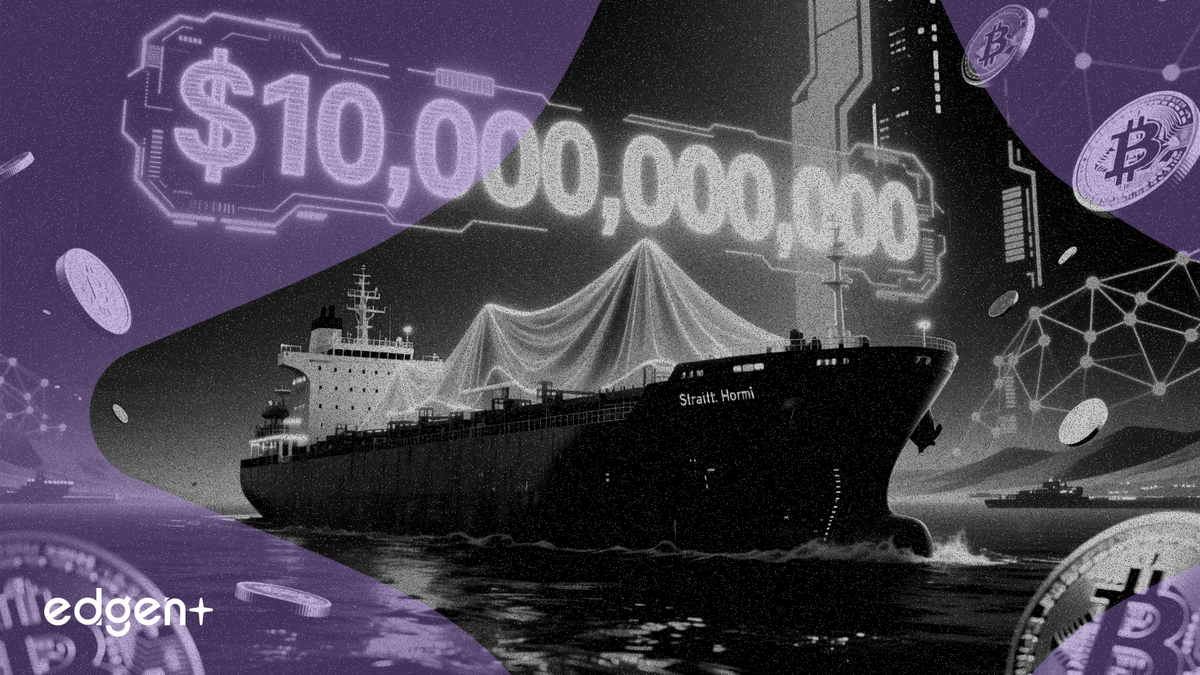
Tahran'ın yeni kripto-yerel sigorta platformu, ABD yaptırımlarını aşmayı ve dünyanın en kritik enerji geçiş noktalarından biri üzerinde kontrol sağlamayı hedefliyor.
İran Ekonomi ve Maliye Bakanlığı, Hürmüz Boğazı'ndaki gemiler için kripto para destekli bir deniz sigortası platformu başlattı. Bu hamle, trafiğin %95 oranında düşmesine neden olan ABD liderliğindeki deniz ablukasına doğrudan bir meydan okuma niteliği taşıyor.
İran Parlamentosu Ulusal Güvenlik Komitesi Başkanı Ebrahim Azizi, X hesabından yaptığı açıklamada, "İran, ulusal egemenliği çerçevesinde ve uluslararası ticaret güvenliğinin garantisi olarak Hürmüz Boğazı'ndaki trafiği yönetmek için profesyonel bir mekanizma hazırlamıştır" dedi.
"Hormuz Safe" adı verilen platform, küresel finans sistemini devre dışı bırakmak için dijital sigorta poliçeleri sunuyor ve Bitcoin gibi kripto paralarla ödeme kabul ediyor. Girişim, sektör raporlarına göre çatışma öncesi yaklaşık %0,25 olan savaş riski sigorta primlerinin bir geminin değerinin %10'una kadar çıktığı pazarı ele geçirmeyi amaçlıyor.
Bu hamle, Tahran'ın yıllık 10 milyar doların üzerinde potansiyel gelir öngörmesiyle, kripto paraların devlet düzeyinde yaptırımlardan kaçınma ve gelir elde etme konusundaki en önemli gerçek dünya testlerinden biridir. Ancak başarısı, uluslararası nakliyecilerin platformu kullanarak ABD Hazinesi'nin Yabancı Varlıklar Kontrol Ofisi'nden (OFAC) gelebilecek ikincil yaptırımlarla karşılaşma riskini alıp almayacağına bağlıdır.
Yaptırıma Dayanıklı Bir Sistem
Hormuz Safe'in piyasaya sürülmesi, Tahran'ın ABD ile derinleşen ekonomik ve askeri çatışmasındaki son hamlesidir. 28 Şubat'ta başlayan çatışmadan bu yana, ABD deniz ablukası, dünya petrol ve sıvılaştırılmış doğal gaz ticaretinin yaklaşık %20'si için kilit bir nokta olan boğazdaki deniz faaliyetlerini ciddi şekilde kısıtladı. Financial Express tarafından aktarılan Kpler verilerine göre, aylık gemi geçişleri normal ortalama olan 3.000'den Nisan ayında sadece 191'e düştü.
Kripto para ödemelerini kabul ederek İran, yaptırımların kendisini küresel bankacılık ağlarından kopardığı geleneksel finans sistemini baypas edebilir. Batılı kurumlar üzerinden yönlendirilen her türlü ödeme muhtemelen engellenecektir. Bu, daha önce uluslararası ticaret için dijital varlıkları kullanan İslam Cumhuriyeti için kriptoyu hayati bir kanal haline getiriyor.
ABD Geri Adım Atmıyor
Washington hem uyarılarla hem de rakip bir çerçeveyle yanıt verdi. Hazine Bakanlığı'nın OFAC birimi, 1 Mayıs'ta bir uyarı yayınlayarak, güvenli geçiş için İran rejimine ödeme yapan her taraf için yaptırım riskleri konusunda uyardı. ABD ayrıca, Hürmüz ile ilgili nakliye risklerini karşılamak için 40 milyar dolarlık bir reasürans tesisi önererek Amerikan hükümetini son çare sigortacı olarak konumlandırdı.
ABD Merkez Komutanlığı (CENTCOM) 16 Mayıs'ta yaptığı açıklamada, "İran limanlarına ve kıyı şeridine giren veya buralardan ayrılan tüm ulusların gemileri de ABD Merkez Komutanlığı'nın tarafsız deniz ablukasına tabidir" dedi.
İran platformunun uygulanabilirliği konusunda büyük sorular devam ediyor. Uluslararası nakliye şirketlerinin İran tarafından düzenlenen sigortayı tanıyıp tanımayacağı veya böyle bir sistemi kullanmanın mevcut küresel poliçelerini geçersiz kılıp kılmayacağı belirsizdir. Bu işlemleri kolaylaştırdığı belirlenen herhangi bir blok zinciri veya token, ABD yetkililerinden doğrudan düzenleyici işlemlerle karşılaşabilir ve bu da daha geniş kripto ekosistemi için önemli riskler oluşturabilir.
Bu makale yalnızca bilgilendirme amaçlıdır ve yatırım tavsiyesi teşkil etmez.