
An Iranian parliamentary leader declared any US interference with its new control over the Strait of Hormuz would be a ceasefire violation, raising the stakes in ongoing peace negotiations.
An Iranian parliamentary leader declared any US interference with its new control over the Strait of Hormuz would be a ceasefire violation, raising the stakes in ongoing peace negotiations.
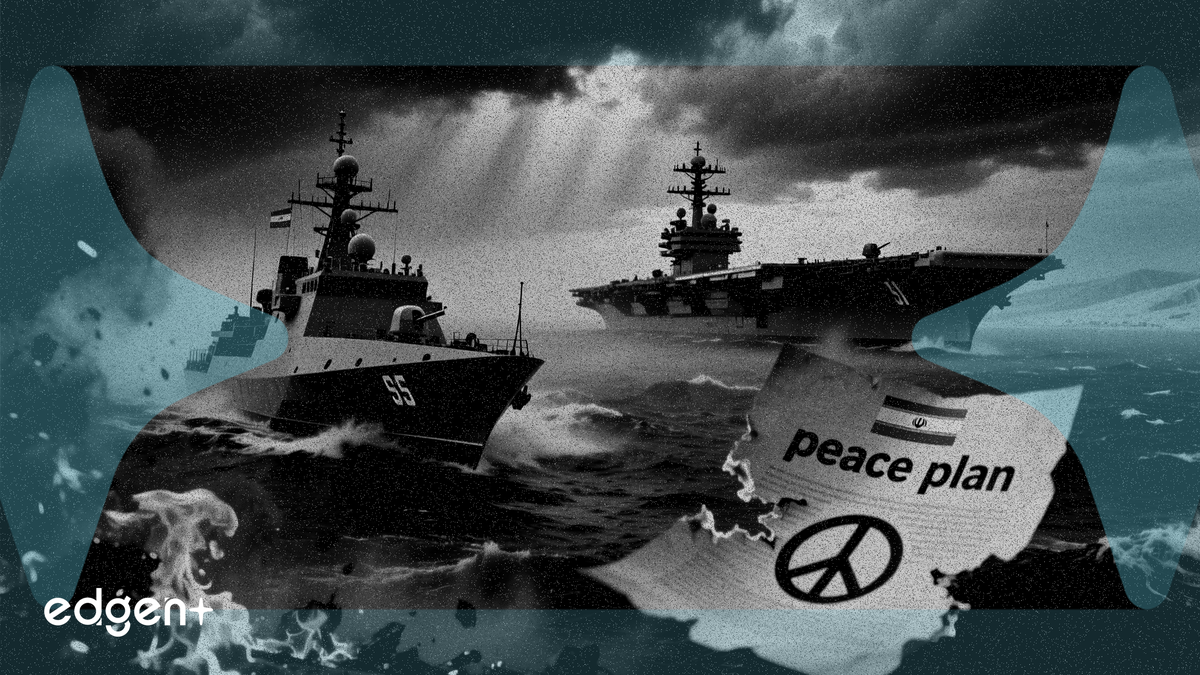
An Iranian parliamentary leader has warned that any US interference in the Strait of Hormuz would be considered a breach of the fragile ceasefire, complicating a new 14-point peace proposal sent to Washington. The statement from Ibrahim Azizi, chairman of the Iranian Islamic Parliament's National Security and Foreign Policy Committee, underscores Tehran's resolve to maintain control over the vital shipping lane as diplomatic efforts to end the two-month conflict intensify.
"I'll let you know about it later," US President Donald Trump said Saturday regarding the new proposal, adding that he was skeptical it would be acceptable. "They have not yet paid a big enough price for what they have done to Humanity, and the World, over the last 47 years," he added in a social media post.
The standoff has centered on the Strait of Hormuz, a chokepoint for about a fifth of the world's oil trade. After effectively closing the strait following the war's start on Feb. 28, Iran began offering safe passage to some ships for a fee. The US has responded with a naval blockade of Iranian ports since April 13, with its Central Command reporting that 49 commercial vessels have been told to turn back. On Friday, the US warned shipping companies they could face sanctions for paying Iran's transit fees.
The latest diplomatic maneuver, relayed through Pakistan, is Iran's 14-point response to an earlier nine-point US proposal. While a three-week ceasefire appears to be holding, the situation remains tense, with both sides jockeying for leverage. The conflict has already driven the average price of gasoline in the United States to $4.45 per gallon, according to a CNN report, and the continued disruption threatens broader economic stability.
According to semi-official Iranian news agencies, Tehran's 14-point plan calls for a permanent end to the war within 30 days. The key demands include the lifting of US sanctions, an end to the naval blockade, the withdrawal of US forces from the region, and a halt to all hostilities, including Israeli operations in Lebanon. This follows a week where President Trump rejected a previous, undisclosed Iranian offer.
Despite the rejection, conversations have continued. Iranian Foreign Minister Abbas Araghchi has been on a diplomatic tour, briefing counterparts in Spain and Germany. German Foreign Minister Johann Wadephul stressed that Germany shares US objectives, demanding Iran "completely and verifiably" give up nuclear weapons and immediately restore free navigation through the strait.
The core of the conflict remains the maritime standoff. Iran's declaration of a "new maritime management system" for the strait was met with a direct warning from the US Office of Foreign Assets Control against paying any fees, including in "digital assets, offsets, informal swaps, or other in-kind payments." The danger to shipping is real; the UK military's Maritime Trade Operations reported on Sunday that a bulk carrier near the strait was attacked by multiple small boats.
The US naval blockade is designed to "suffocate" Iran's economy by cutting off its oil revenue, as Treasury Secretary Scott Bessent described it. He asserted that Iran is not earning significant revenue from its toll system. The economic pressure is a key factor constraining the Federal Reserve's ability to offer clear guidance on interest rates, according to Minneapolis Fed President Neel Kashkari, who cited rising risks to inflation and economic stability from the conflict.
While the primary conflict is between the US and Iran, related security incidents continue. Iran announced Saturday it had hanged two men convicted of spying for Israel. In Lebanon, Hezbollah has claimed rocket and drone strikes on Israeli troops, while the Israeli military said it has killed several Hezbollah militants and uncovered over 100 of the group's weapons in the country's south.
This article is for informational purposes only and does not constitute investment advice.

