
Une déclaration de Téhéran visant à apaiser le goulet d'étranglement pétrolier le plus critique au monde a laissé les traders de brut entre espoir de désescalade et persistance de l'ambiguïté.
Une déclaration de Téhéran visant à apaiser le goulet d'étranglement pétrolier le plus critique au monde a laissé les traders de brut entre espoir de désescalade et persistance de l'ambiguïté.
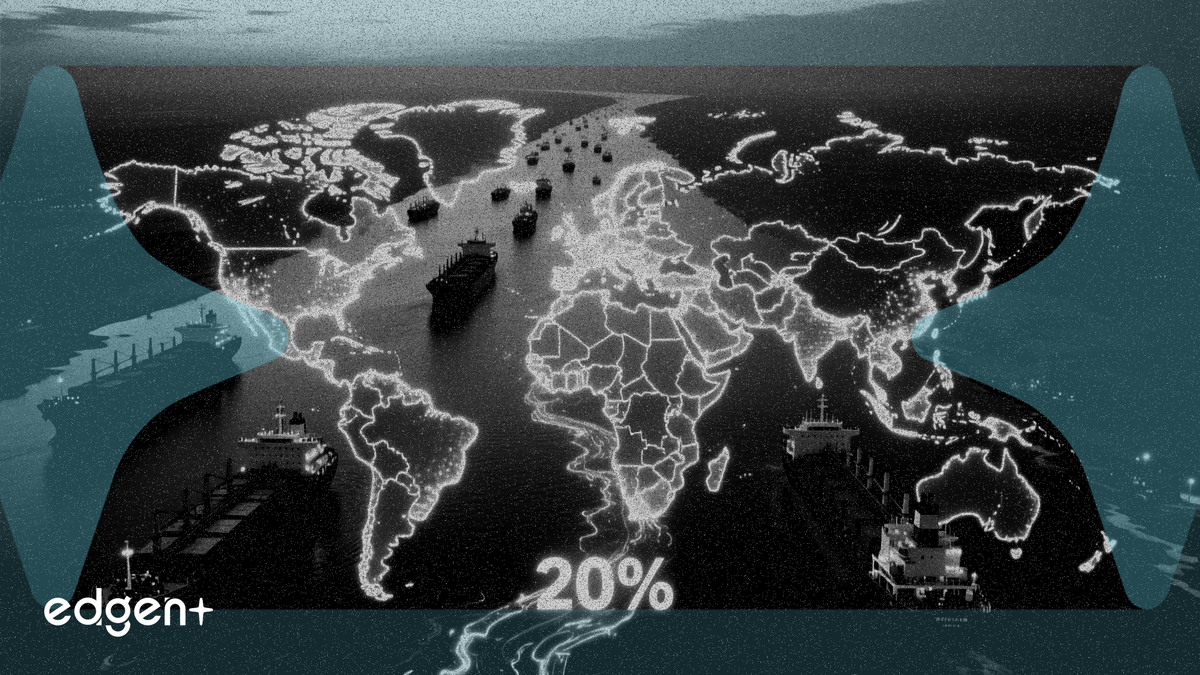
La marine du Corps des gardiens de la révolution islamique (CGRI) d'Iran a annoncé qu'elle garantirait le passage en toute sécurité de tous les navires par le détroit d'Ormuz, une artère critique pour environ 20 % de la consommation mondiale de pétrole, ce qui pourrait réduire la prime de risque géopolitique qui maintenait les prix élevés.
« Nous assurerons la sécurité et la stabilité des navires à travers le détroit d'Ormuz », a déclaré la marine du CGRI dans un communiqué aux médias iraniens, ajoutant que de nouvelles procédures sont en vigueur maintenant que « les menaces des agresseurs ont été éliminées ».
Cette annonce fait suite à une période de tensions accrues, marquée par des accusations réciproques entre les États-Unis, l'Iran et les Émirats arabes unis concernant des attaques régionales. Bien que la déclaration puisse peser sur les prix du Brent, qui intègrent une prime de risque importante, la référence délibérément vague aux « agresseurs » laisse planer une incertitude sur la situation sécuritaire à long terme.
La question clé pour le commerce mondial du pétrole de 4 000 milliards de dollars est de savoir s'il s'agit d'une véritable désescalade ou d'une tactique temporaire. Alors que les États-Unis auraient suspendu leur initiative « Project Freedom », les traders guettent une baisse durable de la rhétorique hostile ou une reprise de la diplomatie discrète pour signaler un véritable changement de risque.
## Un point de passage stratégique pour l'énergie mondiale
Le détroit d'Ormuz, une étroite voie navigable reliant le golfe Persique au golfe d'Oman et à l'océan, est le point de passage pétrolier le plus important au monde. Environ un tiers de tout le pétrole transporté par mer, et près de 20 % de la consommation mondiale totale de pétrole, transitent quotidiennement par le détroit, faisant de sa sécurité une préoccupation majeure pour l'économie mondiale. Toute interruption de ce flux peut provoquer des hausses immédiates et sévères des prix du pétrole brut, affectant tout, de l'essence à la pompe au coût des produits manufacturés et aux voyages aériens. Pour cette raison, le détroit est depuis longtemps un foyer de tensions géopolitiques au Moyen-Orient.
## Décrypter les « agresseurs »
La déclaration du CGRI intervient à un moment critique. Elle fait suite à des rapports selon lesquels les États-Unis communiquent avec Téhéran, à la fois « ouvertement et discrètement », pour créer les conditions d'un accord, selon des sources citées par MSN. Ces échanges diplomatiques en coulisses semblent coïncider avec une pause dans le « Project Freedom » de l'armée américaine, une mesure pour laquelle le Premier ministre du Pakistan aurait remercié la Maison Blanche.
Cependant, le ton conciliant sur la garantie du passage sécurisé contraste avec la référence ambiguë aux « agresseurs ». Cela pourrait être interprété comme une déclaration visant à sauver la face devant le public intérieur après une période de frictions intenses, incluant des accusations mutuelles sur des attaques dans le détroit. Pour les traders de pétrole, cette ambiguïté signifie que la prime de risque géopolitique a peu de chances de s'évaporer complètement. Le marché exigera des preuves plus concrètes d'une détente durable, plutôt qu'une simple déclaration, avant d'intégrer un retour durable à la stabilité.
Cet article est destiné à des fins d'information uniquement et ne constitue pas un conseil en investissement.
