
핵심 요약:
- 4월 6일 이란 아살루예의 석유화학 시설이 공격을 받았으며, 이란은 이번 사건의 배후로 미국과 이스라엘을 공개적으로 지목했습니다.
- 디젤의 주요 원료인 캐나다산 합성원유 가격은 공급 중단 우려로 공격 발생 며칠 만에 약 200% 급등했습니다.
- 이번 공격은 중동의 긴장을 고조시키며 디젤 및 항공유 공급을 위협하고 있습니다. 국제에너지기구(IEA)는 이들 제품을 시장에서 가장 수급이 타이트한 제품으로 규정한 바 있습니다.
핵심 요약:
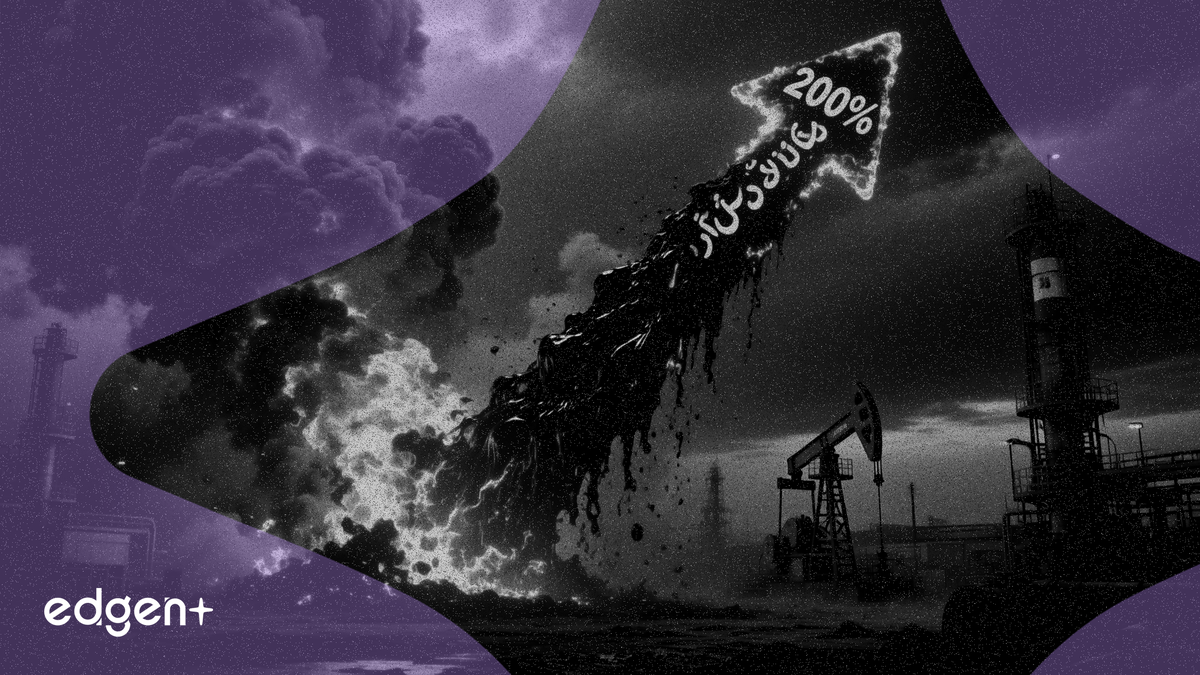
4월 6일 발생한 이란 석유화학 시설 공격으로 디젤 성분이 풍부한 합성원유 가격이 200% 가까이 폭등했습니다. 이는 중동의 지정학적 긴장이 고조됨에 따라 글로벌 디젤 부족 가능성에 대한 시장의 깊은 불안감을 반영합니다.
파티 비롤 국제에너지기구(IEA) 사무총장은 이번 주 '인 굿 컴퍼니(In Good Company)' 팟캐스트에서 "오늘날 가장 큰 문제는 항공유와 디젤의 부족입니다. 이것이 주요 과제이며 이미 아시아에서 목격되고 있지만, 곧 4월이나 5월 초에는 유럽에도 닥칠 것입니다"라고 말했습니다.
시장 반응은 특정 유종에서 가장 두드러졌습니다. Modern Commodities의 데이터에 따르면, 디젤과 항공유 생산 수율이 높아 인기가 많은 캐나다산 합성원유의 서부 텍사스산 원유(WTI) 대비 프리미엄은 배럴당 19.25달러까지 치솟았습니다. 이 유종은 최근 긴장이 고조되기 전까지 미국 벤치마크 대비 배럴당 0.85달러 할인된 가격에 거래되었으나, 이는 20달러 이상의 가격 변동을 의미합니다. 유럽의 디젤 선물 가격은 이번 주 배럴당 200달러를 넘어서며 2022년 이후 최고치를 기록했습니다.
이번 사건은 이미 압박을 받고 있는 글로벌 연료 시장을 본격적인 위기로 몰아넣을 위협이 되고 있습니다. 이란 당국은 '적의 공격'으로 부셰르성 소재 주요 에너지 허브인 아살루예(Asaluyeh)의 석유화학 생산 시설 여러 곳이 폭발하고 손상되었다고 보고했습니다. 이 지역에서 이 정도로 긴장이 고조되었던 지난번 사례에서는 원유 가격이 며칠 만에 10% 이상 뛰었지만, 이란 영토에 대한 직접적인 공격은 드물고도 심각한 상황입니다. 분석가들은 직접적인 충돌이 발생할 경우 매일 호르무즈 해협을 통과하는 2,100만 배럴의 석유 수송이 위험에 처할 수 있다고 경고합니다.
이란 소식통에 따르면 공격의 주요 목표는 석유화학 공장에 유틸리티를 공급하는 두 회사인 것으로 보입니다. 인명 피해는 보고되지 않았지만, 피해 규모에 대한 조사가 진행 중입니다.
캐나다산 합성원유 가격의 급등은 디젤 및 항공유와 같은 중간 유분으로 효율적으로 전환될 수 있는 원유를 확보하려는 경쟁을 반영합니다. 중동 전쟁으로 이미 상당한 공급이 차단되었으며, 이로 인해 아시아 정유업체들은 가동률을 낮추고 연료 수출을 제한하고 있습니다. 이는 수요가 많은 이러한 연료를 생산하기에 이상적인 저유황 원유에 대한 프리미엄을 형성했습니다.
파급 효과는 소비자에게 직접적인 타격을 줄 것으로 예상됩니다. 미국의 경우, 가스버디(GasBuddy)의 석유 분석 책임자인 패트릭 드 한(Patrick De Haan)은 향후 2주 이내에 소매 디젤 가격이 사상 최고치를 경신할 확률이 85%라고 밝혔습니다.
본 기사는 정보 제공만을 목적으로 하며 투자 조언을 구성하지 않습니다.