
El supuesto derribo de un avión de combate por parte de Irán en el Golfo Pérsico el 2 de abril está alimentando los temores de un conflicto más amplio, añadiendo presión inmediata a los mercados mundiales de petróleo y acciones.
El supuesto derribo de un avión de combate por parte de Irán en el Golfo Pérsico el 2 de abril está alimentando los temores de un conflicto más amplio, añadiendo presión inmediata a los mercados mundiales de petróleo y acciones.
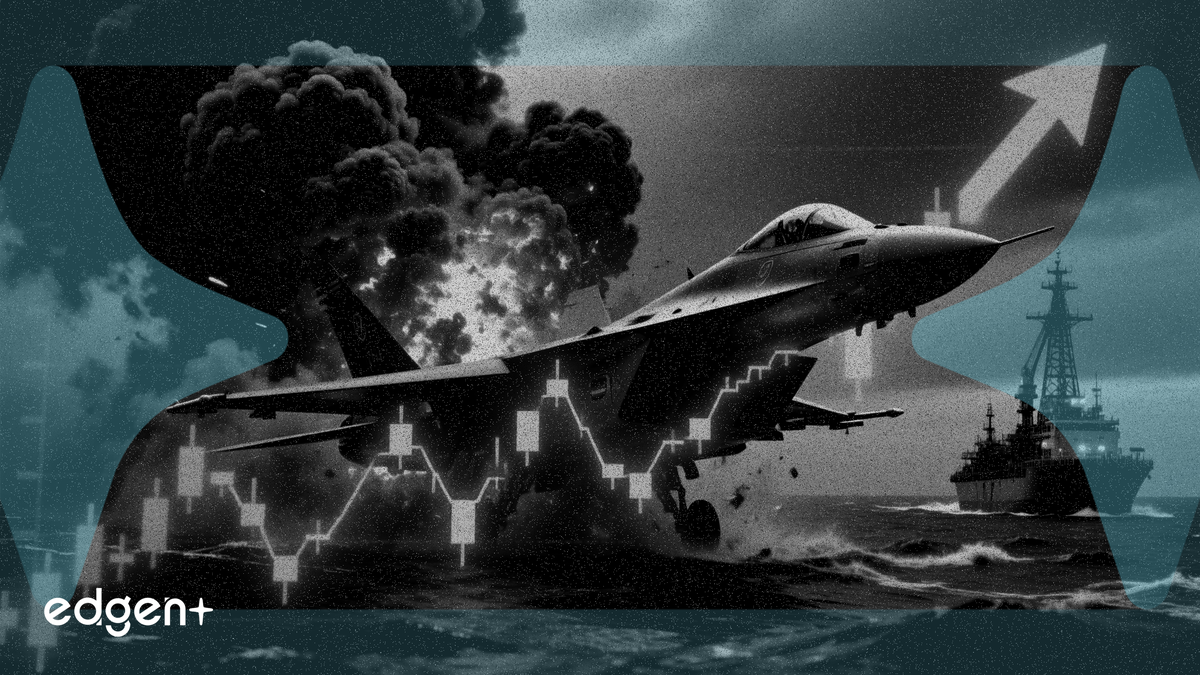
(P1) El Cuerpo de la Guardia Revolucionaria Islámica (CGRI) de Irán afirmó haber derribado un "avión de combate avanzado enemigo" al sur de la isla de Qeshm este martes, lo que impulsó los futuros del crudo Brent más de un 2% al alza tras conocerse la noticia. El suceso plantea el espectro de una confrontación militar directa en una región crítica para el suministro energético mundial.
(P2) "El avanzado avión de combate fue alcanzado por un nuevo sistema de defensa aérea del CGRI y se estrelló en el Golfo Pérsico", señaló el CGRI en un comunicado emitido a última hora del 2 de abril, hora local. Hasta el miércoles por la mañana, ni Estados Unidos ni Israel habían emitido una respuesta a la afirmación.
(P3) El incidente ocurrió al sur de la isla más grande de Irán, situada en el estratégicamente vital estrecho de Ormuz. La reacción del mercado mostró una huida hacia la seguridad, con el oro subiendo junto al dólar estadounidense, mientras que los futuros de las acciones mundiales se tornaron negativos ante la mayor incertidumbre.
(P4) Lo que está en juego es la seguridad del punto de estrangulamiento petrolero más importante del mundo. El estrecho de Ormuz maneja aproximadamente el 21% del consumo mundial de líquidos de petróleo, y cualquier interrupción prolongada podría disparar los precios del crudo, complicando las perspectivas de inflación global. Las escaladas previas en la región han añadido típicamente una prima de riesgo de entre 5 y 10 dólares a los índices de referencia del crudo.
El derribo de la aeronave, atribuido a un "nuevo" sistema de defensa aérea, señala un aumento potencial de las capacidades militares de Irán y su voluntad de utilizarlas. Esta acción sigue a una serie de escaladas regionales y podría desencadenar una respuesta de represalia, desestabilizando aún más Oriente Medio.
Los inversores están ahora muy pendientes de cualquier confirmación o desmentido oficial por parte del Mando Central de EE.UU. o de las fuerzas de defensa israelíes. La falta de respuesta inmediata obliga a los mercados a valorar una mayor prima de riesgo geopolítico, lo que podría lastrar el sentimiento durante el resto de la semana. Las próximas 24 horas serán críticas para determinar si se trata de un incidente aislado o del comienzo de un conflicto militar más directo y sostenido.
Este artículo tiene únicamente fines informativos y no constituye asesoramiento en materia de inversión.