
Des attaques de drones dans quatre pays du Golfe et une frappe sur un navire commercial mettent à l'épreuve un cessez-le-feu fragile, augmentant les risques dans une voie navigable cruciale pour l'approvisionnement énergétique mondial.
Des attaques de drones dans quatre pays du Golfe et une frappe sur un navire commercial mettent à l'épreuve un cessez-le-feu fragile, augmentant les risques dans une voie navigable cruciale pour l'approvisionnement énergétique mondial.
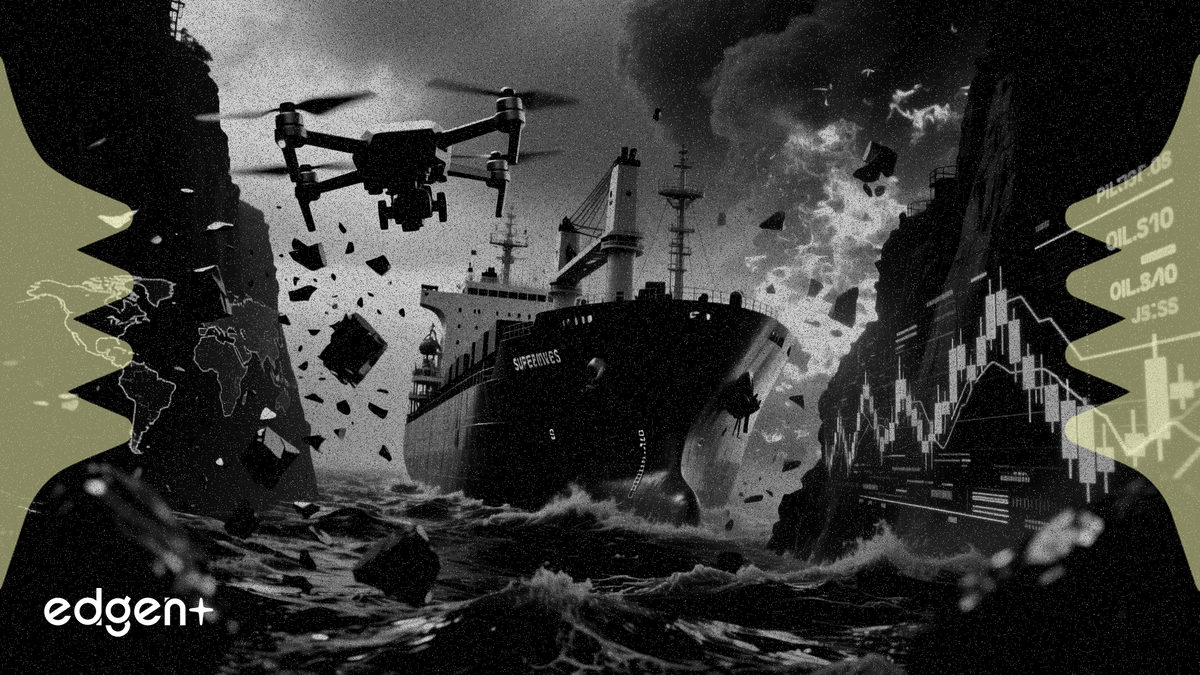
L'Iran a annoncé avoir abattu un drone ennemi le 11 mai, quelques heures après des incidents de drones distincts ayant visé les Émirats arabes unis, le Koweït et un navire commercial au large du Qatar, aggravant les tensions autour du détroit stratégique d'Ormuz, qui achemine 21 % de la consommation mondiale de pétrole. Ces incidents fragilisent un cessez-le-feu vieux d'un mois, alors que les États-Unis attendent la réponse formelle de Téhéran à une proposition de paix globale.
« La présence de navires français et britanniques, ou de tout autre pays, pour toute coopération possible avec les actions illégales des États-Unis dans le détroit d'Ormuz qui violent le droit international, fera l'objet d'une réponse décisive et immédiate de la part des forces armées », a déclaré le vice-ministre iranien des Affaires étrangères, Kazem Gharibabadi, sur les réseaux sociaux, en réponse à une mission de sécurité maritime prévue.
Le ministère de la Défense des Émirats arabes unis a rapporté avoir abattu deux drones le 10 mai, imputant l'incursion à l'Iran. Par ailleurs, les forces koweïtiennes ont réagi à la présence de drones dans leur espace aérien, tandis qu'une attaque de drone a provoqué un incendie sur un navire commercial à 23 milles nautiques au nord-est de Doha, selon l'United Kingdom Maritime Trade Operations. Ces événements font suite à un blocus américain des ports iraniens et à une frappe sur deux pétroliers iraniens accusés d'avoir tenté de le forcer.
L'escalade menace directement le cessez-le-feu et complique les négociations visant à rouvrir le détroit d'Ormuz et à freiner le programme nucléaire iranien. Alors que l'Iran détient plus de 440 kilogrammes d'uranium enrichi à 60 % — à un cheveu du niveau militaire — un échec de la diplomatie pourrait déclencher une reprise des hostilités à grande échelle, risquant une grave perturbation des marchés pétroliers et une envolée des prix mondiaux de l'énergie.
Les attaques du week-end constituent le test le plus important à ce jour pour le cessez-le-feu qui a mis fin à la phase initiale du conflit débuté par des frappes américaines et israéliennes le 28 février. Alors que Washington soutient que la pause dans les combats est effective, le président Donald Trump a accusé Téhéran de « jouer à des jeux » et a averti sur les réseaux sociaux : « Ils ne riront plus longtemps ! »
L'Iran, qui bloque largement le détroit d'Ormuz depuis le début de la guerre, a transmis sa réponse au plan de paix américain via des médiateurs pakistanais. Selon les médias d'État, la proposition de Téhéran se concentre sur une fin permanente de la guerre sur tous les fronts, y compris le conflit entre Israël et le Hezbollah soutenu par l'Iran au Liban.
La voie diplomatique reste semée d'embûches. Une demande clé des États-Unis est le démantèlement du programme nucléaire iranien. Le Premier ministre israélien Benjamin Netanyahu a déclaré à CBS que la guerre n'était pas terminée car l'uranium enrichi doit être retiré d'Iran, un sentiment partagé par les responsables américains.
La sécurité du transport maritime commercial s'est détériorée, avec de multiples attaques au cours de la semaine écoulée. Un navire exploité par la Corée du Sud, le HMM NAMU, a été endommagé par deux objets aériens alors qu'il était à l'ancre dans le détroit d'Ormuz, provoquant une explosion et un incendie.
En réponse aux menaces persistantes, la France et le Royaume-Uni ont proposé une mission internationale pour sécuriser les couloirs de navigation une fois les hostilités terminées. Le président français Emmanuel Macron a précisé qu'il ne s'agirait pas d'un déploiement militaire. Cependant, la marine des Gardiens de la Révolution iranienne a réitéré que toute attaque contre ses pétroliers ferait l'objet d'un « assaut lourd » contre les bases américaines dans la région.
L'armée américaine a rapporté avoir refoulé 61 navires commerciaux et en avoir immobilisé quatre depuis l'imposition de son blocus sur les ports iraniens le 13 avril.
Cet article est à titre informatif uniquement et ne constitue pas un conseil en investissement.
