
Key Takeaways:
- Bonds, gold and stocks are falling together as the Iran conflict escalates
- Australia's Future Fund now holds more equities, not fewer, to offset risk
- Fed Chair Warsh holds rates steady as GDP growth forecasts collapse to 1.3%
Key Takeaways:
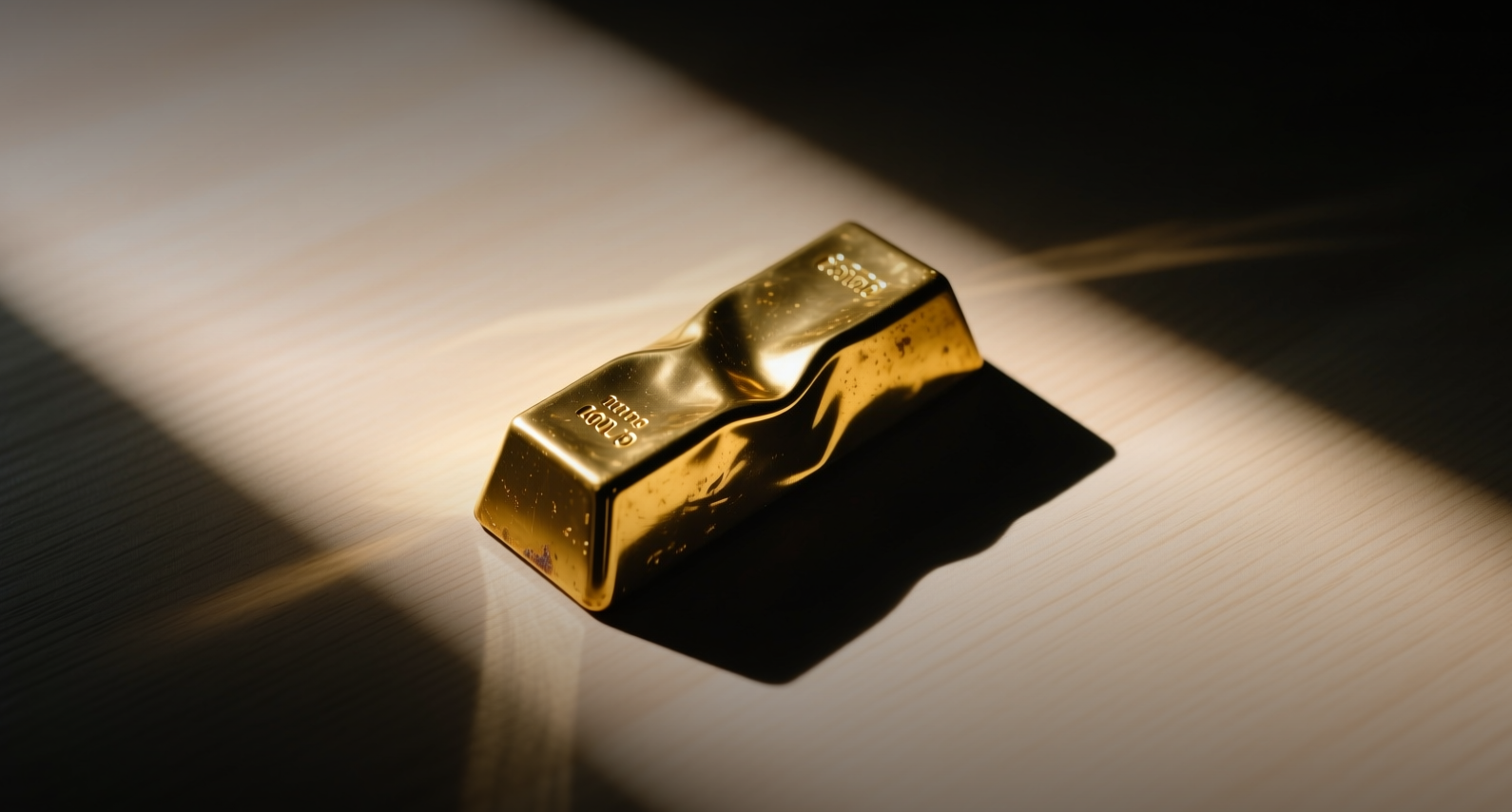
The old investment playbook is breaking. For decades, government bonds and gold served as shock absorbers when stocks fell. The U.S.-Israeli conflict with Iran has shattered that relationship, sending stocks, bonds and gold lower simultaneously during each escalation — and forcing some of the world's largest investors to rethink how they build portfolios.
"The old approach to investment no longer works," said Raphael Arndt, chief executive officer of Australia's Future Fund, the country's sovereign-wealth fund. After a deep review of how the fund invests, Arndt reached a counterintuitive conclusion: "We need more equities, not less. Because we need higher returns to make up for the risks."
The Strait of Hormuz crisis is the stress test. Iran's Revolutionary Guard declared the waterway closed until further notice after attacking three commercial vessels, including a Qatari LNG tanker, according to Iranian state media. About one-fifth of the world's oil supply passes through the strait. Brent crude jumped nearly 6% on the news to the mid-$70s per barrel — still far below the $120 print from late April, when the strait was actually blockaded. The U.S. responded by striking Iranian air defense systems, radar installations and more than 60 small Revolutionary Guard vessels, Axios reported.
The synchronized selloff across asset classes reflects a deeper structural shift. In the old paradigm, government bonds rallied when economic shocks hit, as investors fled to safety and yields fell. But in a world where geopolitical shocks are inflationary — disrupting supply chains and pushing up energy costs — bond prices fall and yields rise when bad news breaks. The 10-year Treasury yield has climbed as the conflict has escalated, offering no protection to equity holders. Gold, which the Future Fund bought in the hope of filling that role, has also failed to act as a hedge since the Iran war began, Arndt said.
The macroeconomic backdrop compounds the problem. The June nonfarm payrolls report showed just 57,000 net new jobs created, far below the 115,000 consensus forecast, while the Atlanta Fed's GDPNow model for second-quarter growth has crashed to 1.3% from above 4% just weeks ago. Yet new Fed Chair Kevin Warsh has signaled he will hold the line on inflation, keeping the fed funds rate at 5.25% to 5.5% — unchanged since July 2023. Swaps markets now price a 30% chance of a 25-basis-point hike in the fourth quarter, according to StoneX, even as core PCE inflation remains at 3.5%, well above the Fed's 2% target.
"Markets don't really price geopolitical things until they actually happen, even if the risks are very clear," said Mike Bell, head of market strategy at RBC BlueBay Asset Management. He pointed to the massing of Russian troops on the Ukrainian border before the 2022 invasion: oil leapt 30% in just over a week after tanks rolled, while the S&P 500 fell into a bear market as war boosted already soaring inflation. Bell's advice is to pay attention to troop buildups and be ready to buy and sell quickly.
The last time the U.S. faced a comparable Strait of Hormuz closure was in April, when Brent briefly hit $120 per barrel before the temporary ceasefire. That episode lasted weeks. This time, the ceasefire collapsed within days of Iran's latest attacks, and Trump declared it over on Wednesday. The key difference: oil is trading in the mid-$70s, not $120, suggesting the market does not believe a prolonged blockade is coming. Trump has little incentive to allow $4-plus gasoline into the November midterms, and Iran needs oil revenue to survive.
For investors, the implications are stark. Raman Srivastava, CEO of Insight at Bank of New York Mellon, recommends infrastructure bonds whose yields rise with inflation, fewer long-dated bonds to avoid inflation-driven volatility, and a more active approach overall. "The biggest risk is inflation moving far out of control, like the 1970s-80s," he said.
StoneX expects gold to finish 2026 near $4,000 per ounce, with silver between $55 and $60, but warns that a hawkish Fed or a permanent ceasefire could cap gains. Central banks remain buyers: 89% of respondents to the World Gold Council's latest survey expect global gold reserves to increase over the next 12 months, with 45% planning to raise their own holdings.
Israel, meanwhile, is preparing for escalation scenarios. Prime Minister Benjamin Netanyahu's coalition has set a national election for Oct. 27, according to Reuters, as polls show voters unhappy with the outcome of the Iran war. The Israeli military is strengthening air defenses and maintaining close coordination with U.S. Central Command, though Washington has asked Israel to remain outside the direct confrontation for now.
This article is for informational purposes only and does not constitute investment advice.
