

핵심 요약:
- 이란은 자국 방공망이 미국 F-35 스텔스 전투기를 격추했다고 주장하며 관련 영상을 공개했습니다.
- 미국은 이란 상공에서 임무를 수행하던 F-35가 중동의 한 기지에 비상 착륙했음을 확인했으며, 원인을 조사 중입니다.
- 별도의 사고로 네바다주에서 훈련 중이던 F-35가 추락했으나, 조종사는 안전하게 탈출했습니다.
핵심 요약:
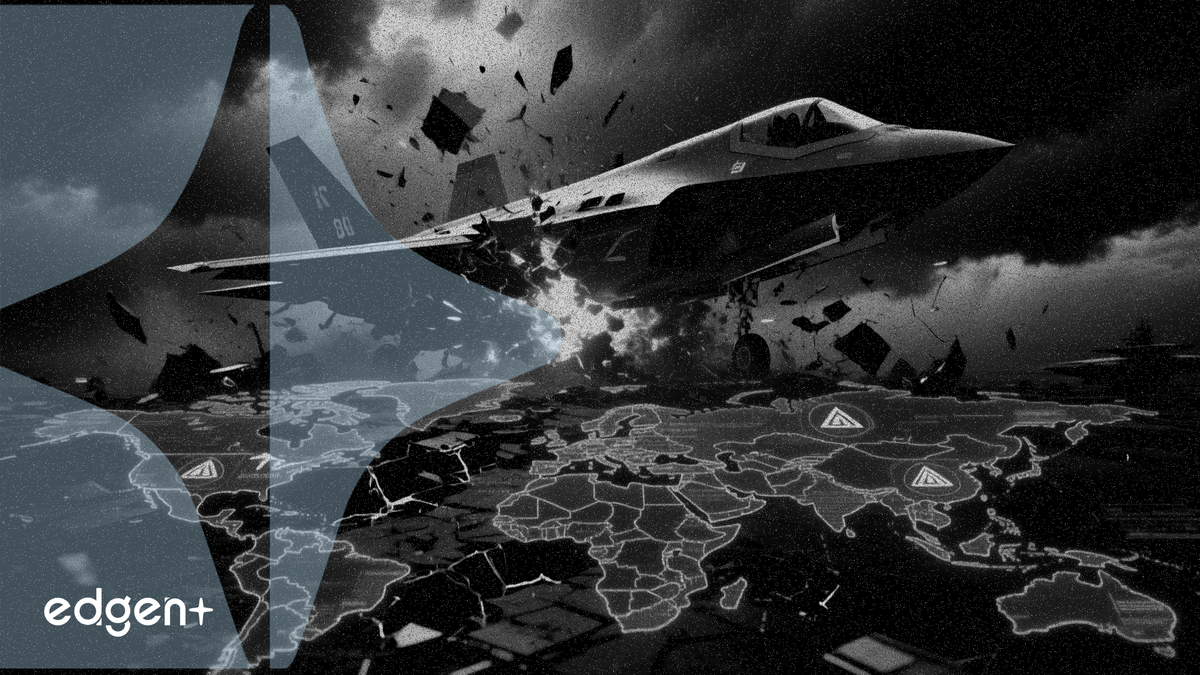
이란은 자국 영토 상공에서 미국 F-35 스텔스 전투기를 격추했다고 주장했습니다. 이 주장이 사실로 확인될 경우, 미국 공군력의 핵심 전력이 전투 중 손실된 첫 사례로 기록되며 중동의 군사적 긴장은 극적으로 고조될 것입니다.
댄 케인(Dan Caine) 합동참모의장은 "우리는 현재 이란의 전력 투사 능력을 무력화하기 위해 더 동쪽으로 비행하며 이란 영공 깊숙이 침투하여 공격형 드론 기지를 추적 및 파괴하고 있다"고 밝히며 미군의 공격적인 작전 수행을 인정했습니다.
이란의 모하마드 바게르 갈리바프 국회의장은 소셜 미디어를 통해 조롱 섞인 게시물과 함께 항공기가 피격되는 짧은 영상을 공개하며 격추 주장을 확산시켰습니다. 미 공군은 격추를 공식 확인하지 않았으나, 3월 19일 이란 상공 임무를 수행하던 F-35 한 대가 지역 기지에 비상 착륙한 사실은 인정했습니다. 이와 별개로 3월 31일에는 네바다주 넬리스 공군 기지 소속 F-35A가 통상 훈련 중 추락했습니다.
미국의 가장 앞선 현역 전투기인 F-35의 격추 가능성은 글로벌 시장에 상당한 위험 회피(risk-off) 흐름을 촉발할 수 있습니다. 특히 전 세계 석유 공급의 21%가 통과하는 호르무즈 해협이 위협받을 경우 원유 가격이 급등할 수 있으며, 투자자들은 금이나 달러와 같은 안전 자산으로 몰려 변동성이 확대될 가능성이 큽니다.
이번 지정학적 혼란은 두 건의 별개 F-35 사고를 중심으로 전개되고 있습니다. 3월 19일, 이란 혁명수비대(IRGC)는 현지 시간 오전 2시 50분경 미국 F-35를 "타격하여 심각한 피해를 입혔다"고 주장하며 6초 분량의 피격 영상을 공개했습니다. 미 중부사령부는 전투 임무 관련 비상 착륙을 확인했으나, 기체는 안전하게 착륙했고 조종사도 무사하다고 밝혔습니다. 원인은 현재 조사 중입니다.
12일 뒤인 3월 31일, 넬리스 공군 기지 소속 F-35A가 네바다 시험 훈련장 내에서 추락했습니다. 조종사는 안전하게 탈출하여 경미한 부상만 입었으며, 추락 지점은 연방 통제 구역으로 민간 피해는 없는 것으로 알려졌습니다.
이 두 사건이 맞물리면서 억측이 난무하고 있습니다. 네바다 추락은 전투와 무관해 보이지만, 이란의 주장은 미군의 비상 착륙 확인과 영상 증거가 맞물려 지금까지 중 가장 높은 신빙성을 얻고 있습니다.
이란의 주장이 사실로 입증된다면, 이는 1999년 세르비아 상공에서 소련제 S-125 미사일에 격격추된 F-117 나이트호크 이후 스텔스기가 전투 중 격추된 두 번째 사례가 됩니다. 이는 비교적 구식인 방공망이라도 스텔스 기술에 위협이 될 수 있음을 시사합니다.
F-35는 여러 분쟁에 투입되어 왔으나 대부분 방공망이 낙후된 국가를 상대로 했습니다. 1년 전 예멘에서 후티 반군의 미사일이 F-35를 아슬아슬하게 비껴간 사건은, '스텔스 킬러' 레이더 시스템을 개발했다고 주장하는 중국이나 러시아 같은 대등한 위협 세력에 대한 생존 가능성에 의문을 제기합니다.
이번 사건은 일본, 한국, 싱가포르 등 동맹국들이 F-35를 운용 중인 인도-태평양 지역의 미군 전략에도 큰 영향을 미칠 수 있습니다. 또한, 전자전 능력을 강화하려는 록히드 마틴의 블록 4(Block-4) 업그레이드 지연 문제에도 부정적인 그림자를 드리우고 있습니다.
이 기사는 정보 제공만을 목적으로 하며 투자 조언을 구성하지 않습니다.