
Tahran'ın kritik su yolundan geçiş ücreti alma hamlesi, ilk ödemelerin merkez bankasına yatırılmasını sağladı; bu durum ekonomik gerilimleri tırmandırırken küresel ticarette yuanın rolünü artırdı.
Tahran'ın kritik su yolundan geçiş ücreti alma hamlesi, ilk ödemelerin merkez bankasına yatırılmasını sağladı; bu durum ekonomik gerilimleri tırmandırırken küresel ticarette yuanın rolünü artırdı.
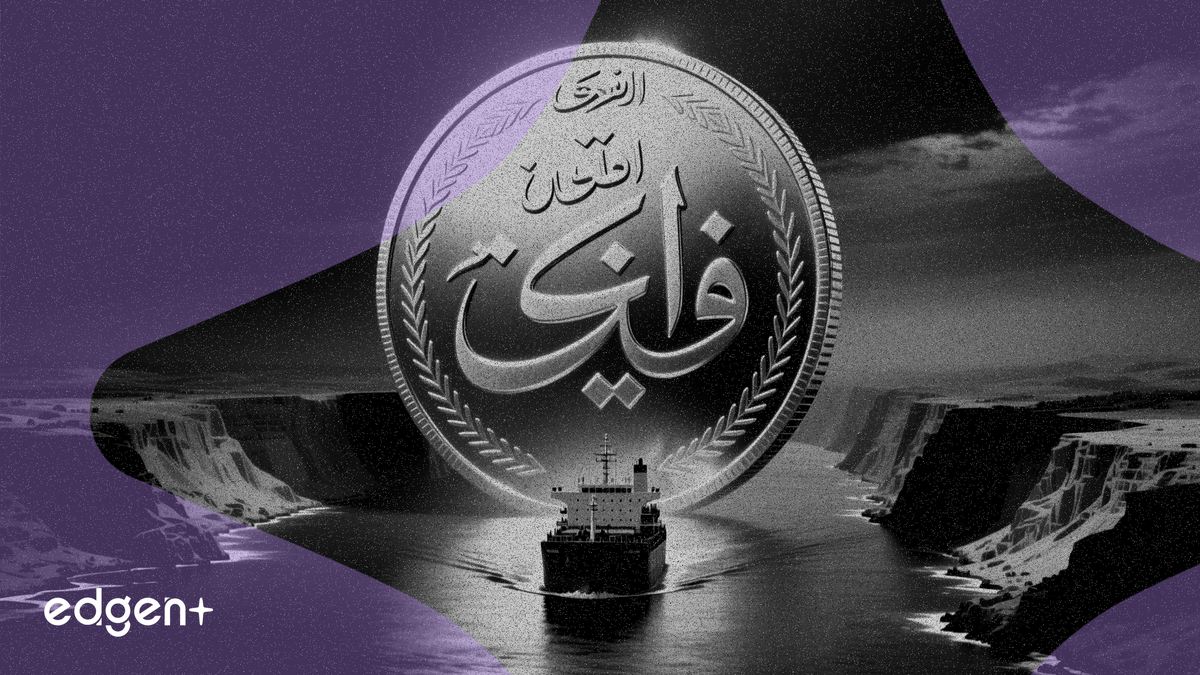
İranlı üst düzey bir parlamento yetkilisi, Hürmüz Boğazı'ndan geçen gemilere uygulanan geçiş ücretlerinden elde edilen ilk döviz gelirlerinin toplanmaya başladığını doğruladı. Bu hamle, Salı günü trafiğin tek bir gemiye kadar düştüğü dünyanın en önemli petrol geçiş noktasını daha da silah haline getiriyor ve küresel enerji fiyatlarını yükseltme tehdidi taşıyor.
Tasnim haber ajansına göre, Parlamento Başkan Yardımcısı Hamidreza Hajibabaei, "Hürmüz Boğazı geçiş ücretlerinden elde edilen ilk gelir Merkez Bankası hesabına yatırıldı" dedi.
Yeni geçiş ücreti sistemi, bölgedeki ABD deniz hakimiyetine doğrudan bir meydan okuma niteliğinde. Normal zamanlarda dünya petrol arzının yaklaşık yüzde 20'si bu boğazdan geçiyor. İran'ın Çarşamba günü iki kargo gemisine saldırmasının ardından bu trafik neredeyse durma noktasına geldi ve Brent ham petrol vadeli işlemlerinin yükselmesine, altın fiyatlarının ise ons başına 4.705,09 dolara çıkmasına neden oldu.
Bu politika, ABD öncülüğündeki abluka ortasında İran'a hayati bir döviz kaynağı sağlıyor ve değişen küresel finans sistemine bir bakış sunuyor. Geçiş ücreti ödemelerinin çoğunun Çin yuanı ile yapıldığı bildiriliyor; bu durum, Mart ayında günlük işlemleri yüzde 35'ten fazla artan Çin'in CIPS ödeme sisteminin kullanımını ve para biriminin benimsenmesini hızlandırıyor.
Geçiş ücretinin uygulanması, uluslararası ödeme sistemleri üzerinde doğrudan ve anında bir etki yaratarak Çin'in yuanı teşvik etme çabalarına fayda sağladı. Çin'in Sınır Ötesi Bankalararası Ödeme Sistemi (CIPS), 2 Nisan'da 1,2 trilyon yuanlık rekor bir hacim yönetirken, Mart ayı günlük ortalaması geçen yılki 680 milyar yuanlık ortalamadan önemli bir artışla 920 milyar yuana fırladı.
Atlantic Council'den Josh Lipsky, "Zamanlama, İran savaşının bir faktör olduğunu gösteriyor. Bu göz alıcı veriler krizle tam olarak örtüşüyor. Bu sadece bir tesadüf olamaz," dedi.
Washington'daki finans analistlerinin fikir birliği, Tahran'ın yeni "gişesinden" gelen paranın çoğunun kripto para değil, yuan olduğu yönünde. Bu değişim sadece İran'ın uzun süredir yuan olarak kabul ettiği petrol ödemeleriyle ilgili değil. CIPS faaliyetindeki bu büyük hacim, şirketlerin dolar merkezli SWIFT sistemine alternatifler aramasıyla Körfez'den sermaye kaçışının ve daha geniş finansal çalkantıların Çin'in ödeme kanalları üzerinden yönlendirildiğini gösteriyor. Yuanın, varlıklar ve ticaret dahil olmak üzere Çin'in toplam uluslararası işlemlerindeki payı Mart ayında yüzde 56'yı aşarak yeni bir rekora ulaştı.
Boğazın İran bağlantılı olmayan çoğu trafiğe fiilen kapatılması, küresel ölçekte işletmelere ve tüketicilere yeni maliyetler yüklüyor. Savaşın başlamasından bu yana İran bağlantılı 300'den fazla gemi geçmiş olsa da, bu hafta iki kargo gemisine yapılan saldırılar genel trafiği baskıladı.
Araştırma kuruluşu Defense Priorities'in direktörlerinden Rosemary Kelanic, "Gemilere saldırma tehditlerinin gerçek olduğunu bize hatırlatıyorlar ve bu, boğazdan geçiş trafiğini bastırmak için yeterli oluyor," dedi.
Bu aksama, tedarik zinciri karmaşıklığının artması nedeniyle ilk çeyrek karlarının daha yüksek olması beklenen DHL ve DSV gibi Avrupalı lojistik firmaları için bir kazanç sağlıyor. Jefferies analistleri, bu tür jeopolitik kargaşa dönemlerinin tarihsel olarak denizden havaya navlun kaymasına yol açtığını ve bunun DHL'in yapısal olarak avantajlı olduğu bir segment olduğunu belirtti. Ancak, sürdürülebilir bir enerji şokunun uzun vadeli etkileri yılın ilerleyen dönemlerinde talebi olumsuz etkileyebilir.
Bu makale sadece bilgilendirme amaçlıdır ve yatırım tavsiyesi teşkil etmez.
