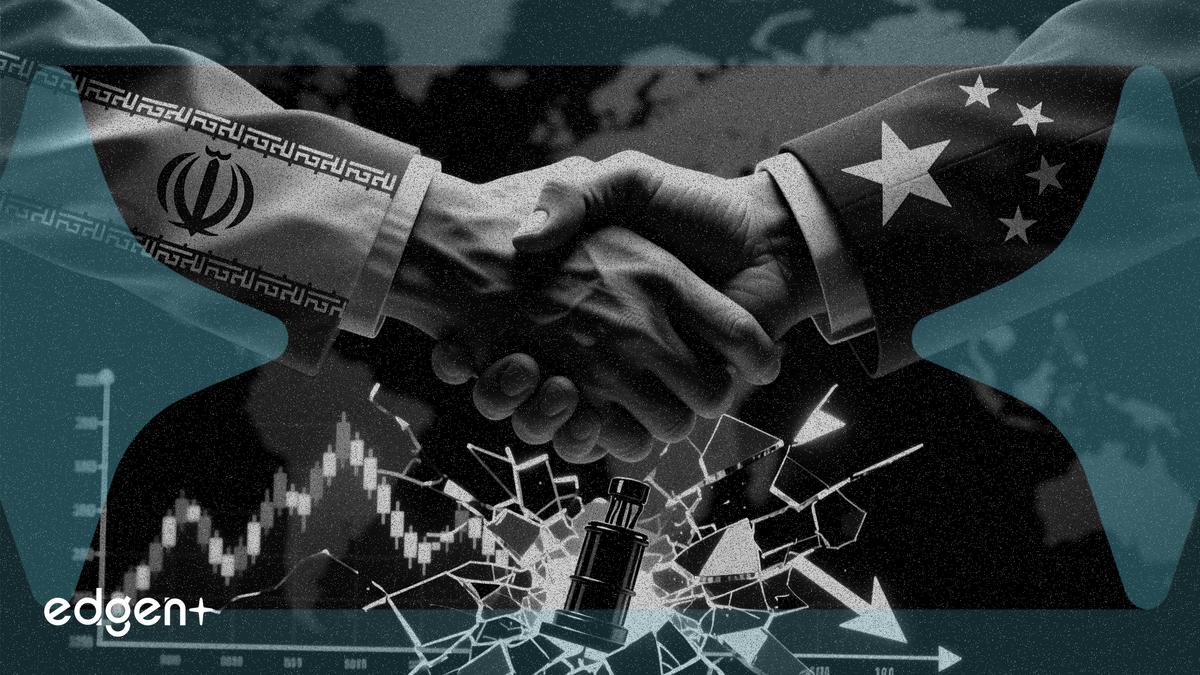
Un ballet diplomatique à enjeux élevés se déroule à Pékin alors que le ministre iranien des Affaires étrangères rencontre son homologue chinois, cherchant un levier quelques jours seulement avant un sommet prévu entre les dirigeants chinois et américain.
(P1) Les ministres des Affaires étrangères iranien et chinois ont tenu leurs discussions au plus haut niveau depuis le début de la guerre entre les États-Unis et l'Iran, un pari diplomatique qui a brièvement calmé les marchés pétroliers alors que le président Donald Trump signalait une ouverture potentielle pour un accord de paix. La rencontre à Pékin le 6 mai entre l'Iranien Abbas Araghchi et le Chinois Wang Yi a fait chuter les contrats à terme sur le Brent de 1,7 %, à 108 $ le baril.
(P2) « De grands progrès ont été accomplis vers un accord complet et final », a déclaré le président Trump dans une publication sur Truth Social, annonçant une pause temporaire de l'opération « Project Freedom » de l'US Navy consistant à escorter les navires à travers le détroit d'Ormuz.
(P3) Le soulagement du marché fait suite à une période de tension qui a vu les prix du pétrole grimper au-delà de 114 $ le baril après que l'US Navy a coulé plusieurs bateaux d'attaque iraniens et que Téhéran a lancé un barrage de missiles. Malgré un cessez-le-feu conclu en avril, l'Iran a engagé les forces américaines plus de 10 fois et a tiré sur des navires commerciaux à neuf reprises, selon le général Dan Caine, chef d'état-major interarmées. L'administration Trump a également lancé un appel mondial à l'aide pour établir une « structure de liberté maritime » afin d'assurer un accès sans entrave au détroit, qui gère 21 % du commerce mondial du pétrole.
(P4) Cette frénésie diplomatique place la Chine dans un rôle pivot. La visite d'Araghchi précède un sommet prévu à la mi-mai entre Trump et le président chinois Xi Jinping, où le conflit devrait être un sujet primordial. Les États-Unis comptent désormais sur Pékin pour aider à désamorcer la crise, le secrétaire au Trésor Scott Bessent exhortant publiquement la Chine à « intensifier sa diplomatie et amener les Iraniens à ouvrir le détroit ».
Un exercice d'équilibriste diplomatique
La rencontre entre Araghchi et Wang représente un effort critique de Téhéran pour obtenir un soutien international et contrer la pression américaine. Pour la Chine, qui dépend du détroit d'Ormuz pour 60 % de ses importations de pétrole selon le président Trump, la stabilité est primordiale. Les discussions ont eu lieu quelques heures seulement après que Trump a annoncé la pause de « Project Freedom », une décision qu'il a prétendu avoir prise à la demande du « Pakistan et d'autres pays ».
Bien que les responsables iraniens n'aient pas officiellement commenté l'annonce de Trump, l'ouverture diplomatique vers Pékin suggère une stratégie coordonnée pour trouver une issue. La dernière fois qu'une impasse similaire s'est produite, une combinaison de diplomatie de coulisses impliquant des puissances européennes et asiatiques a aidé à désamorcer les tensions sans conflit militaire généralisé, un précédent qui pourrait éclairer les négociations actuelles.
Le compte à rebours des pouvoirs de guerre américains
L'offensive diplomatique intervient alors que l'administration Trump est confrontée à une échéance nationale. Le War Powers Act de 1973 instaure une limite de 60 jours pour une action militaire sans autorisation du Congrès, une échéance qui arrive ce vendredi. Le secrétaire à la Défense Pete Hegseth a soutenu que le cessez-le-feu actuel suspend le compte à rebours, une interprétation constitutionnelle que le sénateur démocrate Tim Kaine a déclaré ne pas croire étayée par le statut.
Les escarmouches en cours dans le détroit, que le Pentagone définit comme tombant « sous le seuil de reprise d'opérations de combat majeures », compliquent le paysage juridique et politique. La volonté simultanée de l'administration de créer une nouvelle coalition maritime mondiale tout en suspendant ses propres escortes navales souligne l'exercice d'équilibre complexe entre posture militaire et négociation diplomatique. L'issue du prochain sommet Trump-Xi est désormais considérée comme une étape critique pour déterminer si un accord de paix durable peut être conclu ou si la région connaîtra une nouvelle escalade.
Cet article est à titre informatif uniquement et ne constitue pas un conseil en investissement.