
Iran activated air defenses over its capital, signaling a potential escalation in the 63-day conflict that has pushed oil prices to four-year highs and choked off a vital global shipping lane.
Iran activated air defenses over its capital, signaling a potential escalation in the 63-day conflict that has pushed oil prices to four-year highs and choked off a vital global shipping lane.
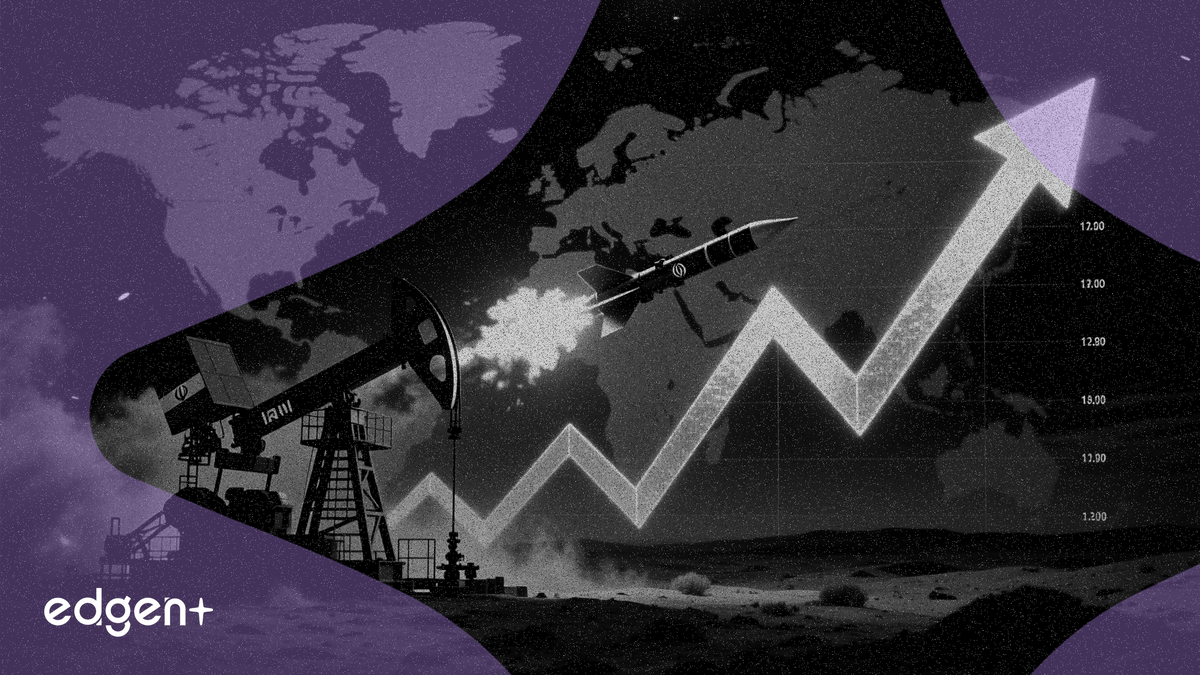
Iran activated air defense systems over Tehran late Thursday, according to state media, as the United States weighs significantly stronger military action if the Islamic Republic rejects a new proposal to end the conflict. The move, which comes 63 days into a war that has drawn in Israel and roiled global markets, sent Brent crude soaring over 7 percent to $126 a barrel, a four-year high.
"If they don’t agree, the bombing starts," US President Donald Trump said Wednesday, escalating pressure on Tehran to accept a deal that includes sanctions relief for an end to military operations. "It will be, sadly, at a much higher level and intensity than it was before."
The defensive activation follows revelations that Iranian strikes have inflicted more damage on US military assets than previously disclosed. A Washington Post investigation of satellite imagery found at least 228 structures or pieces of equipment were damaged or destroyed at 15 US sites across the Middle East. The fragile ceasefire that has held since April 8 now appears at a breaking point, with global economic stability hanging in the balance.
At stake is the passage through the Strait of Hormuz, a waterway that handles over 20 percent of global oil trade and which Iran has effectively closed. The U.S. has suspended its "Project Freedom" to escort ships, and Iran has established a new authority to control transit, moves the UN chief said are "strangling the global economy."
While a ceasefire has largely held since April 8, diplomatic efforts to secure a lasting peace remain on a knife's edge. The latest US proposal reportedly includes sanctions relief and the release of frozen Iranian assets in exchange for a moratorium on uranium enrichment and a reopening of the Strait of Hormuz. Pakistan, which has mediated talks, said it expects an agreement "sooner rather than later," but regional allies are growing anxious.
The United Arab Emirates has urged its citizens to leave Iran, Lebanon, and Iraq, while Saudi Arabia reportedly refused a US request to use a base for operations, fearing retaliation. The tension is palpable, with Iranian President Masoud Pezeshkian calling the US naval siege of his country's ports an "intolerable" extension of military operations.
The conflict's most significant economic impact stems from the closure of the Strait of Hormuz. Iran has created a "Persian Gulf Strait Authority" to control transit and collect tolls, a move maritime experts say violates international law. Hundreds of merchant ships remain stuck in the Persian Gulf, disrupting global supply chains and sending fuel prices skyrocketing.
The International Energy Agency chief Fatih Birol warned the world is "facing the biggest energy crisis in history." The economic pressure is a key component of the standoff, with Iran's supreme leader, Mojtaba Khamenei, declaring the US had suffered a "shameful defeat" and that Iran was now in the driver's seat. This defiant stance comes as the US administration argues the 60-day clock for congressional war authorization has been paused by the ceasefire, a claim contested in Congress.
This article is for informational purposes only and does not constitute investment advice.

