

iQIYI’s strategy to build an AI actor database unraveled within hours as studios for major Chinese stars denied any authorization, highlighting the deep mistrust between talent and platforms in the generative AI era.
iQIYI’s strategy to build an AI actor database unraveled within hours as studios for major Chinese stars denied any authorization, highlighting the deep mistrust between talent and platforms in the generative AI era.
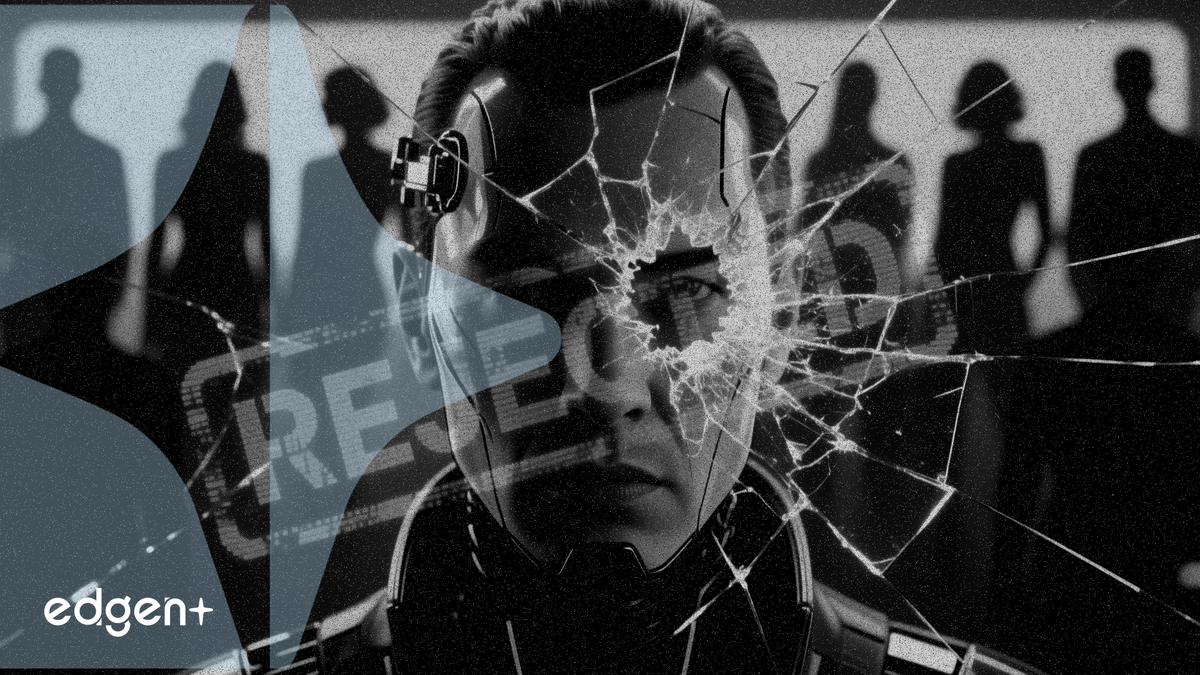
iQIYI Inc.’s ambitious push into AI-driven film production collided with reality after its unveiling of an “AI Artist Library” was publicly rejected by many of the 100-plus stars it claimed were participating, exposing a critical disconnect between tech platforms and creative talent. The incident casts a shadow over the company's strategy to use AI for cutting costs as it faces a 13 percent estimated revenue slump.
"There is no situation where an artist has been included in the Nadou Pro talent library without their consent,” an iQIYI representative said on April 21. The company reframed the initiative as a matchmaking service for potential projects, stating that inclusion only signaled a “willingness to discuss” collaborations, with any use of an actor’s likeness requiring a separate, case-by-case contract.
The controversy began on April 20 at the iQIYI World Conference, where the company launched Nadou Pro, an AI production platform designed to handle everything from scriptwriting to rendering. During the event, iQIYI presented a list of more than 100 actors, including well-known stars Zhang Ruoyun and Yu Hewei, suggesting they were onboarded. Within hours, studios representing those actors issued sharp denials, stating they had never signed any AI-related authorizations and were pursuing legal action.
For iQIYI, the blunder complicates a critical pivot. The company, which is preparing for a Hong Kong IPO, is betting heavily on AI to slash production costs and timelines to better compete with short-video rivals like ByteDance Ltd.’s Douyin. The public relations crisis now risks alienating the very talent ecosystem its AI strategy depends on, raising questions for investors about its governance and ability to manage the transition.
The core of the backlash stemmed from a clash between a capital-market narrative and public sentiment. iQIYI promoted the AI initiative with language about efficiency and digital asset reuse, which resonated poorly with a public sensitive to the exploitation of artists. Critics argued that marketing terms like “signed” and “onboarded” blurred the line between exploratory interest and formal authorization, creating a false impression that was quickly dismantled.
The incident reflects deep-seated anxieties about AI's role in creative industries. Fans and legal observers alike expressed concern that even with consent, the technology poses structural risks. “Once an artist's image data is used for training platform models, there are technical risks such as model fine-tuning, data leakage and unauthorised secondary training,” Li Zhenwu, a lawyer from Shanghai Star Law Firm, told AFP.
At the conference, iQIYI’s founder and CEO Gong Yu invoked the Jevons paradox, arguing that AI’s efficiency in filmmaking would ultimately increase the total volume of content produced, thereby expanding opportunities for actors rather than replacing them. He positioned the company's shift toward a decentralized, "social media-alike" platform as a strategic necessity to counter the algorithmic dominance of short-form video apps.
Under this new model, creators would use the Nadou Pro platform to produce their own content, licensing IP and talent from iQIYI's ecosystem and sharing in the revenue. To spur adoption, the company is offering a 20 percent subsidy for AI-generated mid-form series through the end of 2026. However, the initial controversy has created a significant headwind for this creator-led vision.
While iQIYI clarified that actors would retain control over the use of their image for specific roles, the episode highlights the industry's lack of clear standards for consent, compensation, and governance in the AI era. Gong himself acknowledged that AI-generated content still faces a “last half-kilometer” problem, struggling to produce emotionally resonant narratives that connect with audiences.
The fallout from the AI Artist Library serves as a stark warning to the entertainment industry. As platforms like iQIYI, Netflix Inc., and Amazon.com Inc. race to integrate generative AI into their production pipelines, they must navigate complex ethical and contractual terrain. Scaling AI in creative fields will require more than just powerful technology; it will demand new frameworks built on transparency and trust to align the interests of platforms with the expectations of artists.
This article is for informational purposes only and does not constitute investment advice.