

Key Takeaways:
- Two Omnipod recalls affected about 7 million pods, exposing manufacturing defects
- PODD fell from $236 to $146 per share after corrective disclosures
- Lead plaintiff deadline for securities lawsuit is Aug. 31, 2026
Key Takeaways:
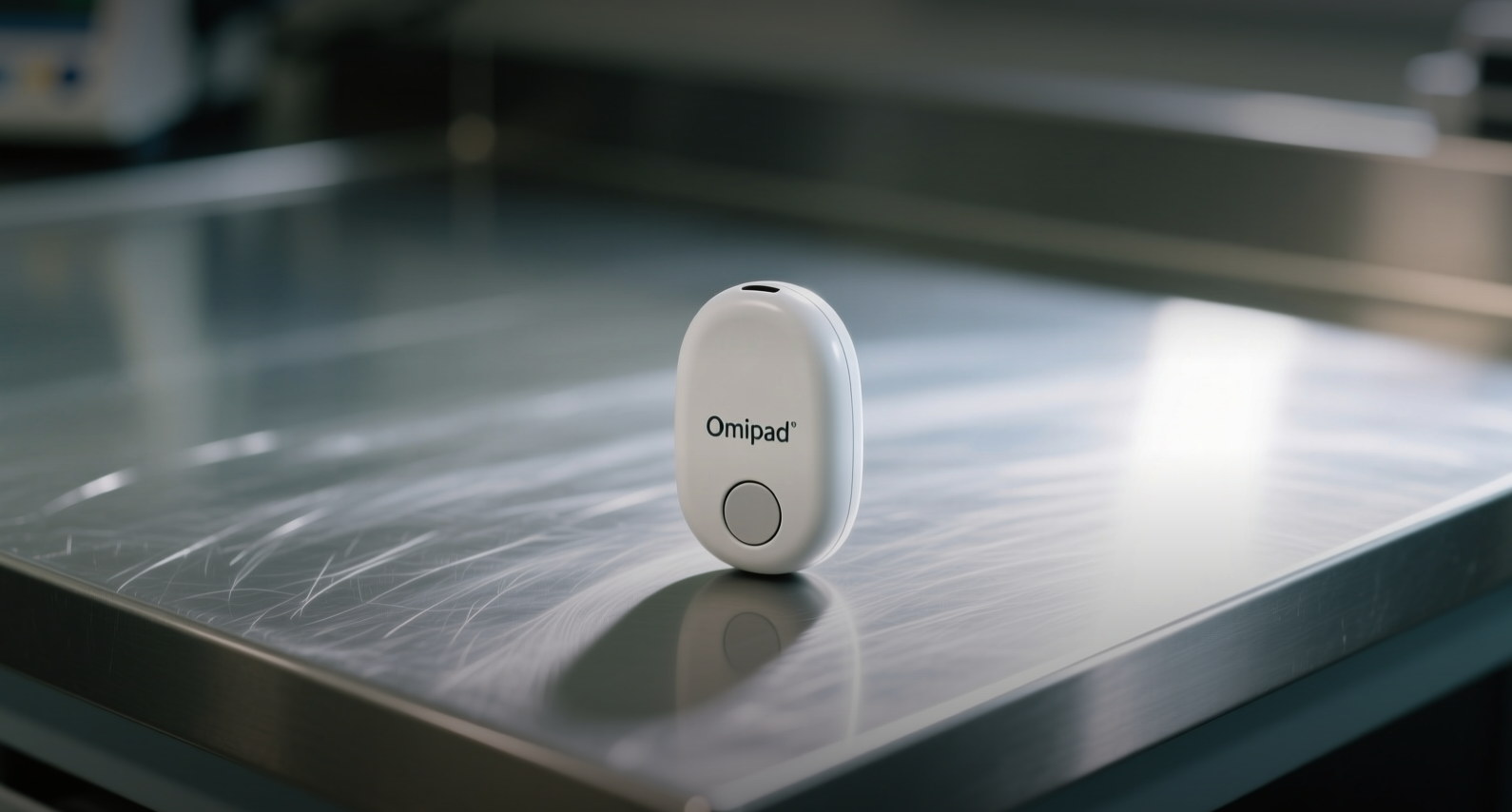
Insulet shares fell 38 percent to $146 after two Omnipod recalls affecting 7 million pods triggered a securities class action.
"The contrast between Insulet's repeated manufacturing quality assurances and the scope of the resulting recalls raises serious questions for shareholders," Joseph E. Levi, Esq. at Levi & Korsinsky LLP, said.
The first Medical Device Correction on March 12, 2026, sent shares down 6.88 percent ($16.23 per share). The second on May 26, 2026, cut another 5.07 percent ($7.79 per share). BTIG reduced its valuation multiple from approximately 4.5x to 4x, citing "continued negative investor sentiment" and "risk of reputation damage." Goldman Sachs said it did not "fully subscribe to the reiteration of guidance" and lowered estimates accordingly.
The class action, filed in the U.S. District Court for the District of Massachusetts, covers purchases from Feb. 21, 2025 through May 26, 2026. The March MDC affected 1.5 percent of pods; the May MDC expanded to Omnipod Dash and Omnipod Eros, covering approximately 8.5 percent of annual production. Investors seeking lead plaintiff status must move the court by Aug. 31, 2026.
The complaint alleges Insulet's manufacturing controls at its Acton, Massachusetts facility were deficient throughout the class period. Management had declared the company produced pods "with high-quality medical-grade quality at consumer electronic scale" during the February 2026 earnings call. Both the FY 2024 and FY 2025 10-K filings stated the quality team "inspects and tests our products at various steps in the manufacturing cycle."
Cannula tears went undetected across multiple product lines, according to the complaint. The second MDC expanded beyond the initial Omnipod 5 system to include Omnipod Dash and Omnipod Eros, raising concerns about quality-control processes across the entire product portfolio.
Management had previously guided for gross margin expansion driven by "improved manufacturing efficiencies." Following the corrective disclosures, analysts raised concerns about manufacturing execution and the impact on the company's guidance. The March MDC was initially described as affecting "only a very small number of pods" at 1.5 percent, while the May MDC covered approximately 7 million pods, or 8.5 percent of annual production.
The lawsuit contends management knew or recklessly disregarded the manufacturing deficiencies while making public assurances about quality and safety. Analysts at BTIG flagged "some risk of reputation damage or increased regulatory scrutiny" from the second voluntary medical device correction in less than three months.
The August 31 lead plaintiff deadline applies only to investors seeking to serve as lead plaintiff. Class members who do not apply may still participate in any recovery without taking action before that date. The case is governed by the Private Securities Litigation Reform Act of 1995.
The recalls raise questions about Insulet's ability to maintain its growth trajectory in the insulin delivery market. Investors will watch for any FDA regulatory action and the company's next earnings report for updated guidance on manufacturing improvements.
This article is for informational purposes only and does not constitute investment advice.
