Temel Çıkarımlar
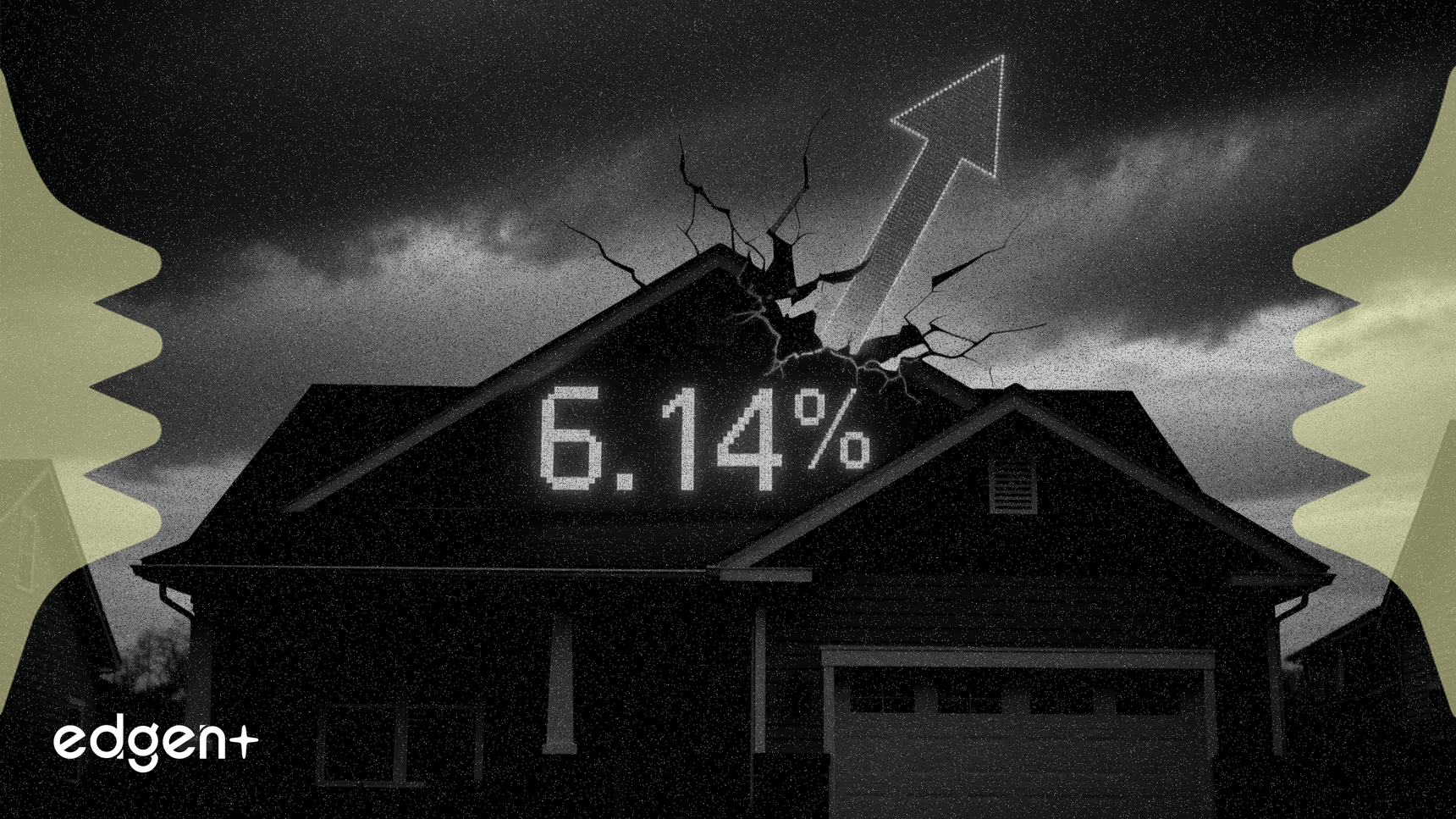
ABD mortgage faizleri, artan enflasyon endişeleriyle birlikte tekrar %6 eşiğinin üzerine çıkarak, ortalama 30 yıllık sabit faizli mortgage oranı %6,14'e ulaştı. Bu artış, ev alıcıları için psikolojik ve finansal bir engel oluştururken, uzmanlar bu yıl faizlerin kısa süreliğine tekrar %6'nın altına düşebileceğini düşünüyor. Piyasanın yönü, temel enflasyon ve istihdam verilerine tepki veren 10 yıllık Hazine tahvil getirisine bağlı kalıyor.
- Ortalama 30 yıllık sabit mortgage faizi, önceki haftaki %5,99'dan 0,15 puanlık bir artışla %6,14'e yükseldi.
- Analistler, devam eden piyasa oynaklığı ve ekonomik belirsizlik nedeniyle faizlerin 2027'ye kadar sürdürülebilir bir şekilde %6'nın altında kalmayacağını öngörüyor.
- Mortgage faizlerinin yönü için ana ölçüt, doğrudan Federal Rezerv faiz değişiklikleri değil, istihdam ve enflasyon verilerinden etkilenen 10 yıllık Hazine tahvil getirisi olmaya devam ediyor.