
Quỹ Tiền tệ Quốc tế đang cảnh báo rằng nền kinh tế toàn cầu sẽ đối mặt với một "kết quả tồi tệ hơn nhiều" về lạm phát gia tăng và tăng trưởng chậm lại nếu xung đột ở Trung Đông tiếp tục kéo dài đến năm 2027.
Quỹ Tiền tệ Quốc tế đang cảnh báo rằng nền kinh tế toàn cầu sẽ đối mặt với một "kết quả tồi tệ hơn nhiều" về lạm phát gia tăng và tăng trưởng chậm lại nếu xung đột ở Trung Đông tiếp tục kéo dài đến năm 2027.
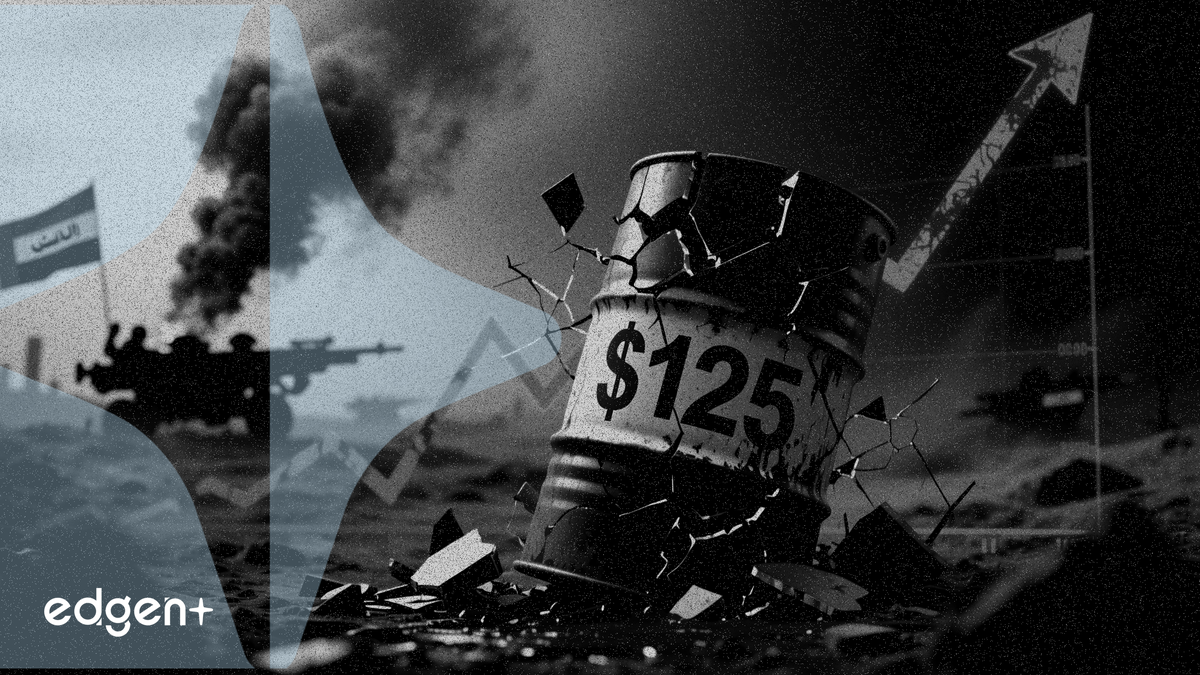
Quỹ Tiền tệ Quốc tế (IMF) đã đưa ra một cảnh báo gay gắt rằng một cuộc xung đột kéo dài ở Trung Đông có thể đẩy giá dầu thô lên 125 USD/thùng và làm chệch hướng cuộc chiến chống lạm phát toàn cầu. Kịch bản bất lợi của quỹ, trước đây là một rủi ro xa vời, hiện đang diễn ra và đe dọa đảo ngược sự ổn định kinh tế khó khăn mới đạt được ở cả các thị trường phát triển và mới nổi.
"Lạm phát vốn đã tăng lên và nền kinh tế toàn cầu có thể đối mặt với một 'kết quả tồi tệ hơn nhiều' nếu chiến tranh ở Trung Đông kéo dài đến năm 2027 và giá dầu chạm mức khoảng 125 USD/thùng," bà Kristalina Georgieva, Tổng Giám đốc IMF, phát biểu hôm thứ Hai tại một hội nghị do Viện Milken tổ chức.
Việc tiếp tục chiến tranh có nghĩa là kịch bản cơ sở của tổ chức này, vốn dự báo một sự chậm lại nhẹ của tăng trưởng toàn cầu, không còn khả thi nữa, bà Georgieva cho biết. Trong khi kỳ vọng lạm phát dài hạn hiện tại vẫn ổn định, điều đó có thể thay đổi nếu xung đột và các cú sốc giá năng lượng liên quan kéo dài, có khả năng buộc các điều kiện tài chính phải thắt chặt ngay khi nhiều nền kinh tế đang bắt đầu hồi phục.
Cảnh báo này nêu bật sự tổn thương nghiêm trọng của nền kinh tế toàn cầu trước các cú sốc địa chính trị truyền qua thị trường năng lượng. Một giai đoạn kéo dài của giá dầu trên 100 USD không chỉ trực tiếp thúc đẩy lạm phát tổng thể thông qua chi phí năng lượng cao hơn mà còn thấm vào giá cốt lõi bằng cách tăng chi phí vận tải, sản xuất và dịch vụ, thắt chặt sức mua của hộ gia đình.
## Một cú sốc đối với hệ thống đang phục hồi
Cảnh báo của IMF không phải là một mối đe dọa trừu tượng. Đối với các thị trường mới nổi phụ thuộc vào nhập khẩu, tác động là tức thì. Hãy nhìn vào Ghana, một quốc gia vừa mới vượt qua cuộc khủng hoảng kinh tế nghiêm trọng. Sau khi chứng kiến tỷ lệ lạm phát đạt đỉnh cao nhất trong 21 năm ở mức 54,1% vào năm 2022 sau cú sốc năng lượng toàn cầu gần nhất, một giai đoạn điều chỉnh đau đớn đã đưa tỷ lệ này xuống mức thấp nhất trong 27 năm là 3,3% vào tháng 2 năm 2026. Một cú sốc dầu mỏ kéo dài hiện đe dọa sẽ xóa bỏ tiến trình đó.
Tình hình của Ghana minh họa hoàn hảo cho cơ chế truyền dẫn. Quốc gia này là một nhà sản xuất dầu thô nhưng nhập khẩu gần 97% nhiên liệu tinh chế. Sự gia tăng của dầu Brent lên gần 120 USD/thùng trực tiếp gây áp lực lên cán cân thương mại và đồng cedi, đồng tiền của nước này. Động lực này có thể buộc Ngân hàng Ghana phải tạm dừng hoặc đảo ngược các đợt cắt giảm lãi suất gần đây, làm kìm hãm một sự phục hồi kinh tế non trẻ.
## Nút thắt cổ chai eo biển Hormuz
Rủi ro chính bắt nguồn từ khả năng đóng cửa Eo biển Hormuz, một tuyến đường thủy hẹp mà qua đó khoảng 20% nguồn cung dầu hàng ngày của thế giới đi qua. Không giống như những gián đoạn do lệnh trừng phạt vốn có thể định tuyến lại, việc đóng cửa vật lý eo biển này đại diện cho một cú sốc cung cấp ngay lập tức và nghiêm trọng. Cơ quan Năng lượng Quốc tế (IEA) đã gọi kịch bản như vậy là "sự gián đoạn nguồn cung lớn nhất trong lịch sử thị trường dầu mỏ toàn cầu".
Nút thắt vật lý này có nghĩa là dòng chảy dầu không thể đơn giản là được chuyển hướng, tạo ra một kịch bản thiếu hụt vật chất sẽ lan rộng qua các chuỗi cung ứng toàn cầu. "Sự thiếu hụt vật chất trong nguồn cung dầu sẽ bắt đầu xuất hiện trên khắp thế giới vì sự đóng cửa của Eo biển Hormuz," Mike Wirth, Chủ tịch kiêm Giám đốc điều hành Chevron, cho biết hôm thứ Hai, nhấn mạnh mức độ nghiêm trọng của thách thức hậu cần.
## Các vùng đệm hạn chế và những lựa chọn khó khăn
Đối với nhiều quốc gia, các lựa chọn chính sách là rất ảm đạm. Các chính phủ vừa trải qua quá trình thắt chặt tài khóa đau đớn, chẳng hạn như xóa bỏ trợ giá nhiên liệu, sẽ đối mặt với áp lực chính trị dữ dội để đảo ngược tiến trình. Ghana, chẳng hạn, đã xóa bỏ trợ giá nhiên liệu lần đầu tiên sau 30 năm như một phần quan trọng trong chương trình 3 tỷ USD của IMF. Việc khôi phục chúng sẽ đe dọa sự ổn định tài khóa khó khăn mới có được.
Trong khi một số nhà xuất khẩu hàng hóa có thể được hưởng lợi từ một sự phòng hộ một phần — ví dụ Ghana là nhà sản xuất vàng lớn nhất châu Phi và có thể thấy doanh thu tăng từ dòng tiền tìm nơi trú ẩn an toàn — những vùng đệm này là hữu hạn. Một cuộc xung đột kéo dài hơn vài tháng có thể làm cạn kiệt dự trữ ngoại hối, làm yếu đồng tiền và khiến các mục tiêu chương trình IMF gặp rủi ro ở nhiều quốc gia. Cảnh báo của quỹ là một tín hiệu rõ ràng cho các nhà hoạch định chính sách rằng giai đoạn ổn định ngắn ngủi sau đại dịch có thể sắp kết thúc.
Bài viết này chỉ mang tính chất thông tin và không cấu thành lời khuyên đầu tư.

