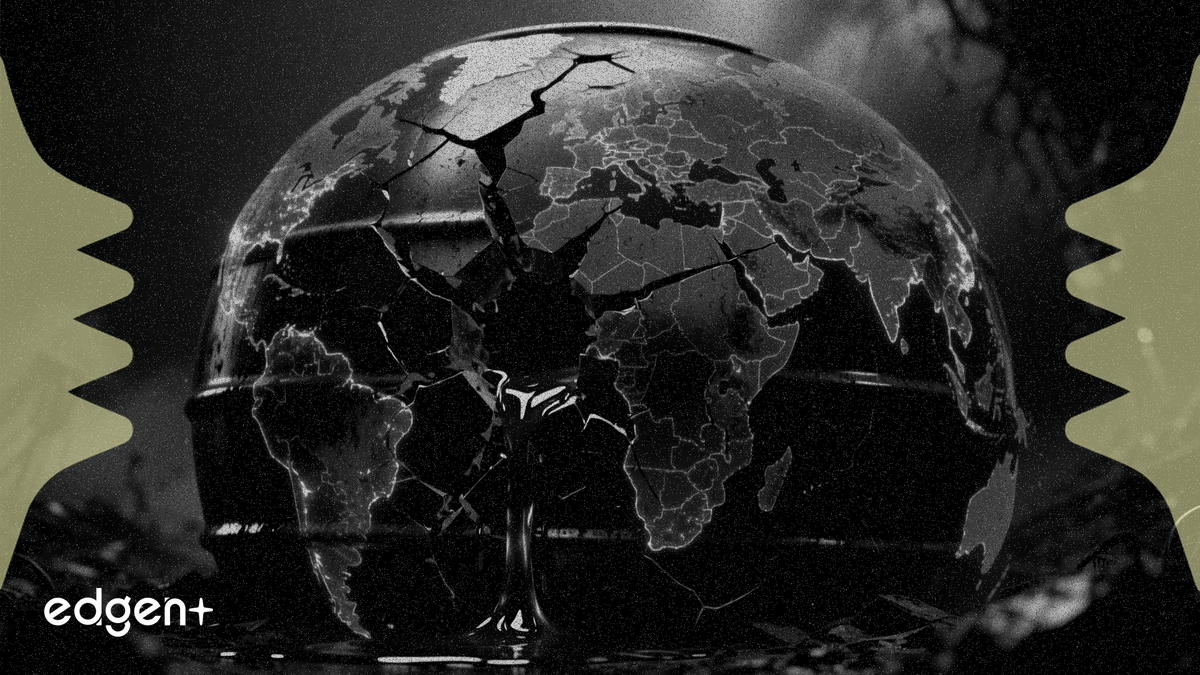
The International Energy Agency is releasing a record 400 million barrels of oil from strategic reserves after its chief declared on April 23 that the world is facing the “largest energy crisis in history.” The move comes as governments across multiple continents resort to emergency measures to soften the blow of soaring energy costs on their economies.
"The single most important solution to the problem, is fully opening up of Strait of Hormuz," Fatih Birol, the IEA's chief, said in a statement. His comment underscores the geopolitical tensions underpinning the crisis, which has pushed Brent crude to hold above $107 a barrel despite the massive reserve release.
The crisis has forced governments to take measures unseen for almost half a century. The Philippines declared a national energy emergency on March 24, while Egypt moved to limit its night-time economy starting March 28. In South America, Argentina’s state-run oil company YPF announced a 45-day freeze on fuel prices on April 2. Japan has also tapped its own strategic reserves, and Europe has emerged as a key buyer of oil from the U.S. Strategic Petroleum Reserve.
The coordinated release, the largest in the IEA's history, is expected to fuel global inflation and suppress economic growth by increasing costs for energy-intensive industries. While the release aims to temper prices, Birol’s statement suggests that without a resolution to the geopolitical chokepoint in the Middle East, the relief may only be temporary. The situation is accelerating a long-term policy shift toward energy independence and renewables, but the short-term pain is being felt globally.
This article is for informational purposes only and does not constitute investment advice.