


The AI data center buildout is running into electrical equipment shortages that no amount of software can fix, pushing Caterpillar and Eaton to the front of the infrastructure supply chain.
The AI data center buildout is running into electrical equipment shortages that no amount of software can fix, pushing Caterpillar and Eaton to the front of the infrastructure supply chain.
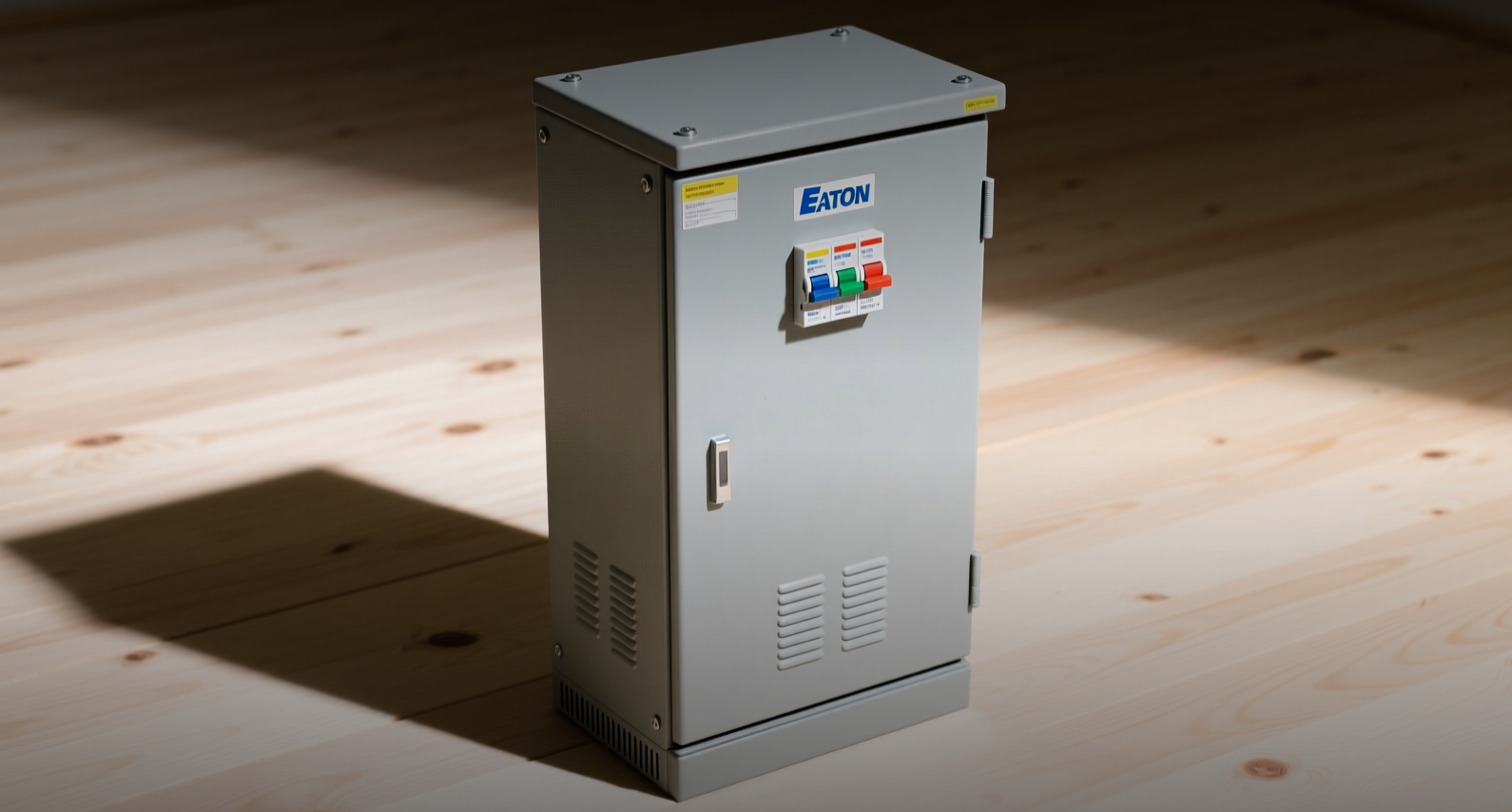
Meta and other hyperscalers racing to build AI data centers face a bottleneck not in chips or land but in the electrical equipment needed to connect facilities to the grid, a constraint that benefits industrial suppliers Caterpillar and Eaton.
"The binding constraint on AI data center delivery is no longer capital — it is the physical infrastructure required to power these facilities," said Howard Boville, CEO of Coravel, a data center development platform launched July 15 by BlackRock's Global Infrastructure Partners and ACS Group.
High-power transformer delivery times have stretched to three to five years, up from 24 to 30 months before 2020, according to Energy News Beat. Switchgear, which connects a campus to the utility grid, is sold out through 2028. Generator step-up units now require 144 weeks on order. Average hyperscale build time has expanded to 18 to 24 months from roughly 12 months before the equipment squeeze. Of roughly 12 to 16 gigawatts of new US data center capacity expected in 2026, only about one-third was under active construction as of May.
Caterpillar and Eaton supply the generators, switchgear, transformers, and power distribution equipment that every data center requires. As hyperscalers — including Microsoft, Amazon, Google, and Meta — collectively spend more than $200 billion on AI infrastructure this year, these industrial suppliers capture revenue regardless of which cloud provider wins the AI race. Caterpillar's power generation segment has seen data center orders surge, while Eaton's electrical segment reported a 17 percent increase in revenue in its most recent quarter, driven by data center and utility demand.
The electrical equipment bottleneck is structural, not cyclical
The shortage traces to a mismatch between manufacturing capacity and demand that predates the AI boom. Transformer production requires specialized copper winding, core steel, and insulation skills that take years to develop. The US transformer manufacturing base shrank over the past two decades as utilities deferred upgrades and Chinese producers captured global market share. When AI data center demand surged, the remaining domestic factories had no spare capacity.
The PJM Interconnection, which manages the grid covering the US data center corridor from Northern Virginia to the Midwest, found that 23 percent of data center project delays in its queue stem from supply chain issues alone, with another 29 percent from permitting, according to Data Center Knowledge. The remaining delays tied to EPC procurement, equipment availability, and construction.
Coravel's launch illustrates how the market is adapting. The 50/50 joint venture between BlackRock's GIP and ACS Group — which owns Turner Construction, the largest US contractor — secured a 140-megawatt hyperscaler customer at its Dallas-Fort Worth campus before the brand was even announced. The platform carries a 1.7-gigawatt development portfolio with 150 megawatts already under construction. Its integrated model, where one organization controls site origination, power strategy, design, construction, and operations, compresses the critical path by booking transformer and switchgear procurement slots at the same moment it secures a site.
Why Caterpillar and Eaton are positioned to win
Caterpillar's power generation business supplies natural gas generators, uninterruptible power systems, and backup power solutions that every hyperscale facility requires. The company's data center-related orders have accelerated as hyperscalers lock in multi-year equipment contracts to secure supply. Eaton, which manufactures switchgear, power distribution units, and busway systems, reported that its electrical Americas segment grew 17 percent year-over-year in the first quarter of 2026, with data center demand as the primary driver, according to the company's earnings release.
Both companies benefit from a structural dynamic: hyperscalers are signing long-term equipment procurement agreements to guarantee supply, effectively pre-buying years of production capacity. This shifts the industrial suppliers from cyclical project-based revenue to recurring order books with multi-year visibility.
The opportunity extends beyond the two stocks. Siemens, Schneider Electric, and Vertiv also supply critical data center electrical infrastructure. But Caterpillar and Eaton offer the broadest exposure to the power delivery chain from grid connection to rack-level distribution.
Microsoft's Azure deployment of 3M's Expanded Beam Optical technology, announced July 15, underscores the industry's focus on removing physical-layer bottlenecks. The EBO connectors eliminate the inspection-and-cleaning step required by traditional fiber connectors, cutting per-port installation time by a factor of six. Microsoft's commercial cloud backlog of $625 billion, with OpenAI alone accounting for roughly 45 percent of that figure, shows the demand pressure driving these infrastructure decisions.
For investors, the question is whether the equipment shortage creates pricing power that translates into margin expansion. Caterpillar trades at roughly 16 times forward earnings, Eaton at about 30 times. The premium on Eaton reflects its higher exposure to the electrical content per data center megawatt. If transformer and switchgear lead times remain at current levels through 2028, as industry forecasts suggest, both companies have multi-year revenue visibility that their current valuations may not fully reflect.
This article is for informational purposes only and does not constitute investment advice.
