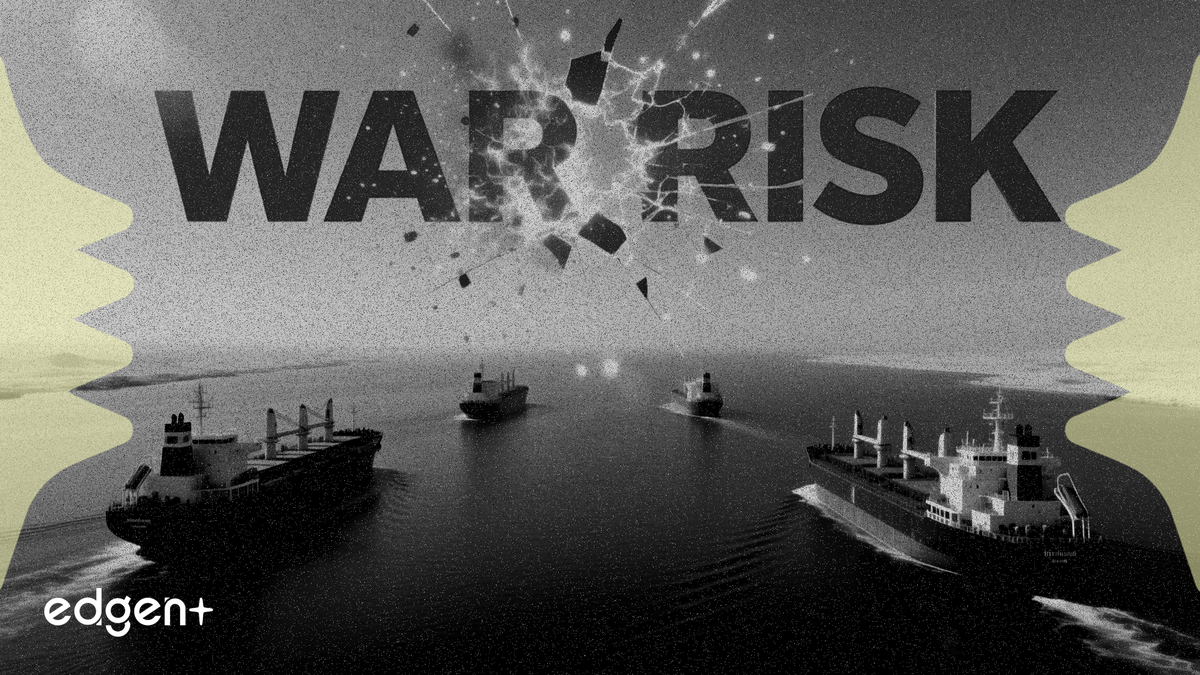
(P1) The passage of four Western-linked vessels, including a French container ship, through the Strait of Hormuz on April 3 marks the first known transit of its kind since a regional war halted traffic, a tentative sign of de-escalation in the world’s most critical energy chokepoint.
(P2) According to ship-tracking data reviewed by Bloomberg, the container ship “CMA CGM Kribi” broadcast its French ownership as it sailed from the port of Dubai, hugging the Iranian coast to exit the Persian Gulf. Two people familiar with the matter confirmed the vessel had completed its passage.
(P3) The French-linked ship was joined by three Omani-flagged vessels—two supertankers and a liquefied natural gas carrier—that also successfully navigated the strait. The LNG ship’s passage, if confirmed, would be the first to exit the Gulf since the conflict began, while the combined tanker outflow represents the largest single-day crude transit.
(P4) This sudden resumption of traffic, however limited, suggests a potential easing of military tensions that have kept the vital waterway shut. With European diplomats reportedly engaged in preliminary talks to cool the conflict, the passage of these ships may test whether a broader reopening is possible, a development that could reduce the geopolitical risk premium on oil prices and ease global inflationary pressures.
A Test of De-escalation
The “CMA CGM Kribi” is part of the fleet of CMA CGM SA, the world’s third-largest container line, majority-owned by the French Saadé family. The vessel, which sails under a Maltese flag, publicly broadcast its position and destination throughout its journey, a departure from the recent norm where ships in the region have gone dark to avoid detection.
Separately, the three ships broadcasting Omani nationality took a southern route along Oman’s coastline, a deviation from the northern path along Iran’s coast that most vessels have used recently. All three are among the largest class of their type, signaling a significant test of passage for energy exports.
The successful transit of the LNG carrier is particularly noteworthy. The Persian Gulf is a major source of liquefied natural gas for global markets, and the halt in shipments has put significant strain on energy-dependent economies. A restoration of LNG flows would provide a welcome boost to global supply.
While the passages are a positive sign, it remains unclear whether they represent a sustained diplomatic breakthrough or are merely one-off arrangements. European diplomatic efforts to de-escalate the crisis have yet to yield substantial public progress, according to reports. The market will be watching closely to see if more ships follow in the coming days.
This article is for informational purposes only and does not constitute investment advice.