
A phone call between top US and Pakistani officials may offer a path to de-escalate the standoff over the Strait of Hormuz.
A phone call between top US and Pakistani officials may offer a path to de-escalate the standoff over the Strait of Hormuz.
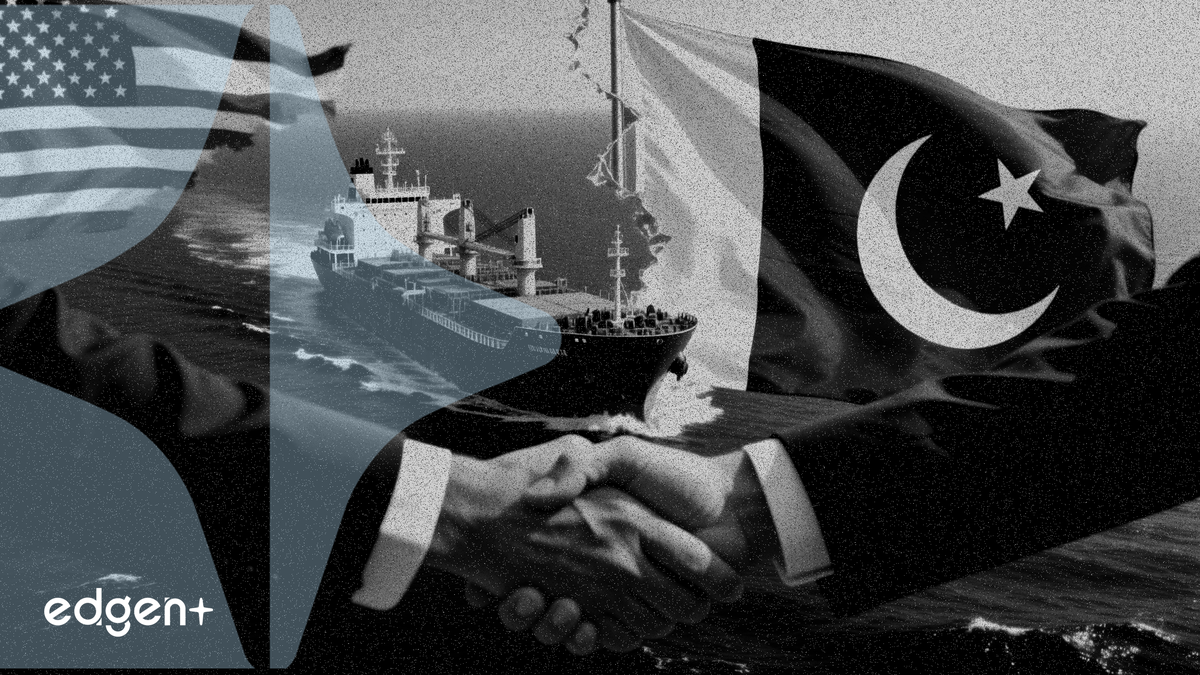
A direct appeal from Pakistan’s Army Chief of Staff to US President Donald Trump may be cracking open the door to resolving the Hormuz blockade, after Munir reportedly advised Trump that the measure was a primary obstacle to negotiations.
“The closure of the Strait is completely untenable for the global economy,” Arjun Murti, a partner at Veriten and a longtime energy markets analyst, told World Oil. “The longer it stays closed, the greater the risk.”
The diplomatic intervention comes after a volatile week of reversals. Iran had briefly reopened the critical waterway, through which about 20% of the world’s oil passes, before shutting it down again and firing on ships. The move was in retaliation for a US blockade on Iranian ports, which has sent back 21 ships since it began, according to U.S. Central Command.
This standoff threatens to deepen a global energy crisis. For Iran, closing the strait is its most powerful leverage, causing oil prices to spike. For the US, the blockade is a key tool to pressure Tehran. Murti noted that markets have been incorrectly assuming an imminent reopening, stating, “The idea that there will be a clean ‘open’ or ‘closed’ may be what the market is most getting wrong now.”
The phone call from Army Chief of Staff Asim Munir is part of a broader diplomatic effort by Pakistan to mediate the conflict. Pakistani Foreign Minister Ishaq Dar confirmed diplomats were working to “bridge” differences between the US and Iran, with a second round of negotiations expected to be hosted in Pakistan next week.
However, the situation remains fragile. Iranian officials have stated they are not ready for new face-to-face talks while the American blockade remains in full force. The uncertainty leaves the global economy vulnerable to supply shocks, with Murti warning that news of fuel shortages in Asia and Europe could grow if consistent shipping volumes do not resume. A resolution could ease crude prices, but a failure in talks risks another spike and raises the threat of a global recession.
This article is for informational purposes only and does not constitute investment advice.