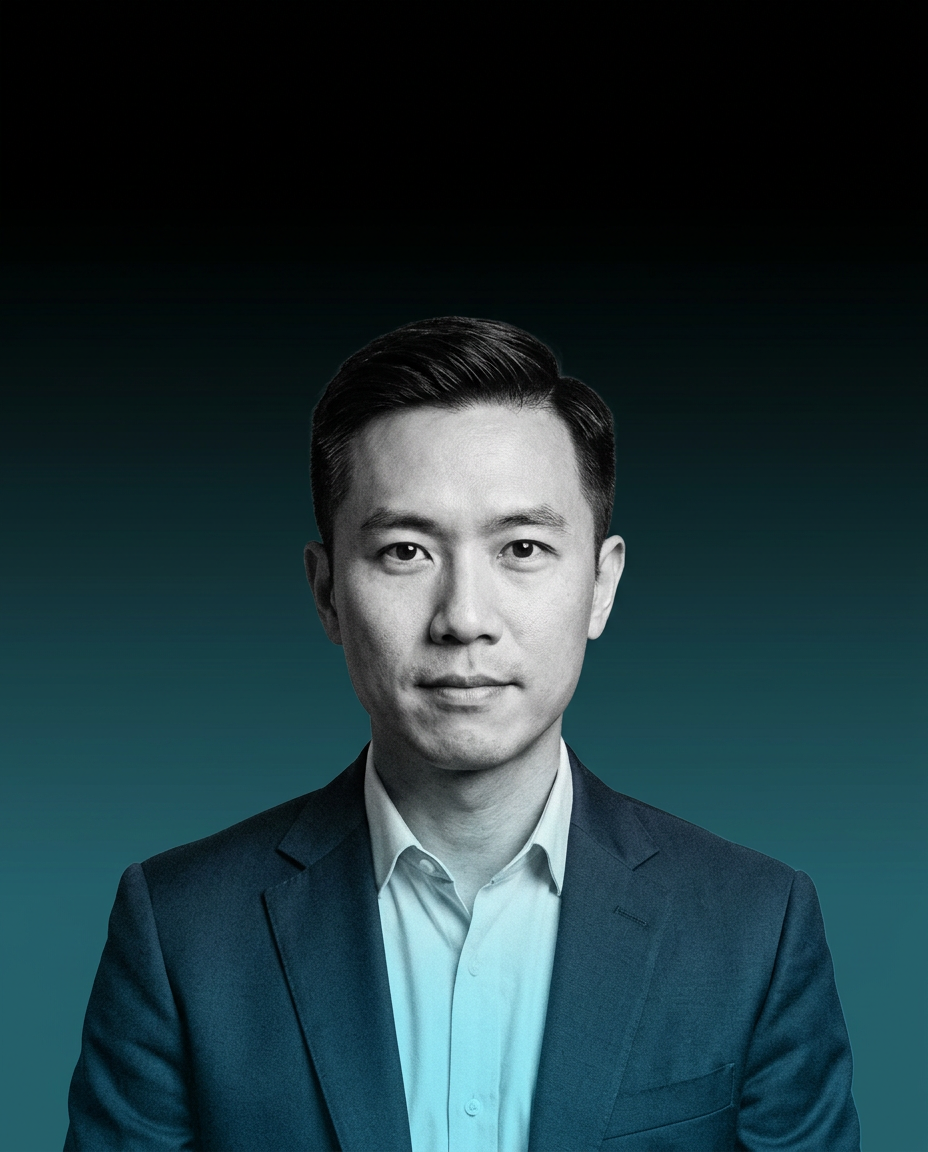
Points clés à retenir : Une transformation structurelle des sources de liquidités à Hong Kong redessine les marchés boursiers et immobiliers de la ville, a déclaré le macro-stratège Fu Peng.
Points clés à retenir : Une transformation structurelle des sources de liquidités à Hong Kong redessine les marchés boursiers et immobiliers de la ville, a déclaré le macro-stratège Fu Peng.

Depuis la pandémie, la croissance de la masse monétaire M2 de Hong Kong est de plus en plus corrélée aux flux de capitaux sudistes acheminés via Stock Connect, marquant une rupture par rapport à la dépendance historique de la ville vis-à-vis de ses réserves de change comme principal ancrage de liquidité, selon Fu Peng, macro-stratège.
Le ratio de la masse monétaire M2 de Hong Kong par rapport à ses réserves de change a bondi bien au-dessus des niveaux observés lors de la crise financière de 2008, a déclaré Fu dans une analyse vidéo publiée le 23 mai. Cet indicateur a grimpé en flèche au cours des deux dernières années, reflétant un changement fondamental dans la manière dont les liquidités circulent dans le système financier de la ville. Là où Hong Kong dépendait autrefois de l'émission de dollars hongkongais adossée aux réserves, les données indiquent désormais que les capitaux continentaux canalisés via Stock Connect sont le principal moteur de l'expansion de la masse monétaire.
« Les données montrent que les achats sudistes et la croissance de la masse monétaire en dollars hongkongais évoluent en parfaite synchronisation », a déclaré Fu. « Il s'agit d'un régime de liquidité différent de tout ce que nous avons connu avant la COVID. »
Ce changement intervient alors que Hong Kong retrouve son statut de plus grande plateforme de patrimoine transfrontalier au monde. Les actifs offshore enregistrés dans la ville ont augmenté de 10,7 % pour atteindre 2 900 milliards de dollars en 2025, dépassant la Suisse, selon le rapport 2026 sur la richesse mondiale du Boston Consulting Group. Le BCG prévoit que l'écart entre Hong Kong et la Suisse se creusera à près de 600 milliards de dollars d'ici 2030, porté par la domination manufacturière de la Chine et le regain d'activité sur le marché des introductions en bourse de Hong Kong.
La transformation des liquidités s'accompagne d'un changement démographique. Le nombre de family offices à Hong Kong a augmenté de 25 % entre 2023 et la fin de l'année dernière, pour atteindre 3 384, selon une enquête Deloitte commandée par le gouvernement. Chacun d'eux gère au moins 10 millions de dollars, et plus de 1 000 d'entre eux supervisent 100 millions de dollars ou plus.
L'afflux de personnes fortunées et de professionnels dans le cadre de programmes renforcés d'admission de talents crée une nouvelle base de demande pour le marché immobilier de Hong Kong, a déclaré Fu. Le modèle de rendement locatif — une mesure d'évaluation clé pour l'immobilier hongkongais — est en cours de réévaluation alors que l'afflux de population se heurte à une offre de logements contrainte.
« La population et le capital sont les deux variables », a déclaré Fu. « Lorsque les deux évoluent dans la même direction, l'impact sur les prix des actifs se cumule. »
Ce changement structurel ne se fait pas sans heurts. Les banques étrangères et chinoises à Hong Kong s'efforcent de se conformer rapidement à une répression menée par Pékin sur les investissements transfrontaliers, a rapporté Reuters le 27 mai. HSBC a demandé aux clients continentaux souhaitant ouvrir des comptes d'investissement de signer des déclarations confirmant que leurs fonds proviennent de l'étranger et non de Chine. La Hang Seng Bank et la Bank of China Hong Kong ont émis des exigences similaires.
Ces contrôles plus stricts ajoutent une dimension réglementaire à l'histoire des liquidités. Bien que les flux sudistes via Stock Connect restent le principal canal d'entrée des capitaux continentaux dans les actions hongkongaises, les nouvelles règles d'ouverture de compte pourraient ralentir le rythme de la migration des capitaux par le biais de canaux informels qui complétaient auparavant les flux officiels.
Pour les investisseurs, l'interaction entre les entrées de capitaux, la croissance démographique et le durcissement réglementaire déterminera la trajectoire des actions et de l'immobilier hongkongais. Le multiple de valorisation de l'indice Hang Seng est devenu de plus en plus sensible à la dynamique des flux sudistes, tandis que le marché immobilier résidentiel est confronté à une équation offre-demande qui dépend désormais autant de la politique d'immigration que des taux d'intérêt.
Cet article est fourni à titre informatif uniquement et ne constitue pas un conseil en investissement.
