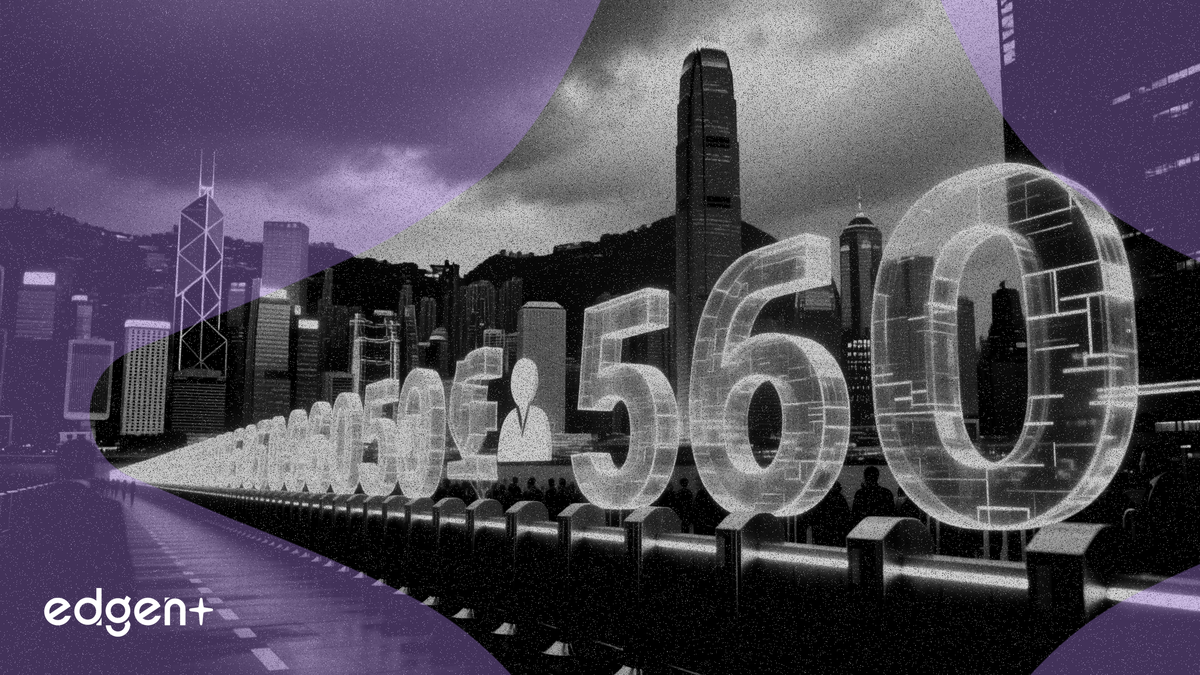
Hong Kong’s IPO market is grappling with a severe bottleneck, as more than 560 companies are queuing for a listing with only around 440 available sponsors to handle the workload.
"The IPO market has indeed recovered significantly, but the situation does not allow for blind optimism, and the core issue is the market's digestive capacity," Ye Zhiheng, Executive Director of the Intermediaries Division of the Hong Kong Securities and Futures Commission (SFC), said at the Greenwich Forum.
The sponsor shortage has led to quality control concerns, with some individual sponsors previously acting as the main signatory for as many as 10 IPO projects simultaneously. In response, the SFC issued a public notice on Jan. 30 highlighting "serious deficiencies" in listing applications. As of March, the regulator has formally limited each sponsor to representing a maximum of five companies.
The mismatch between the supply of sponsors and the demand from listing applicants threatens to slow the pace of capital raising and could push companies to consider other exchanges. The regulatory cap, while aimed at upholding due diligence standards, may extend the waiting period for the hundreds of companies currently in the pipeline.
Regulatory Scrutiny Intensifies
The Hong Kong Securities and Futures Commission is actively managing the imbalance to ensure market integrity. Ye stated that the SFC has been warning the market about the quality of IPO sponsor work since December 2025.
The commission's January notice pointed to severe mismanagement of resources and potential misconduct by sponsors. By tightening the cap from a de facto high of 10 projects per person to five, the SFC is forcing a more thorough approach to due diligence. Officials are now working with market participants to find a balance that allows the market to process the influx of IPOs without compromising standards.
What It Means for the Market
The new sponsor cap directly impacts the velocity of listings and could increase costs for companies competing for experienced advisory teams. For investors, the stricter oversight is intended to improve the quality of disclosures and the overall health of the IPO market. The first test of the new environment will be how quickly the current backlog of 560-plus companies can be processed in the coming months.
This article is for informational purposes only and does not constitute investment advice.