

Google's Pixel 11 lineup arrives with $100 price increases across all four models, a RAM cut on Pro devices, and a design unchanged for a third straight year.
Google's Pixel 11 lineup arrives with $100 price increases across all four models, a RAM cut on Pro devices, and a design unchanged for a third straight year.
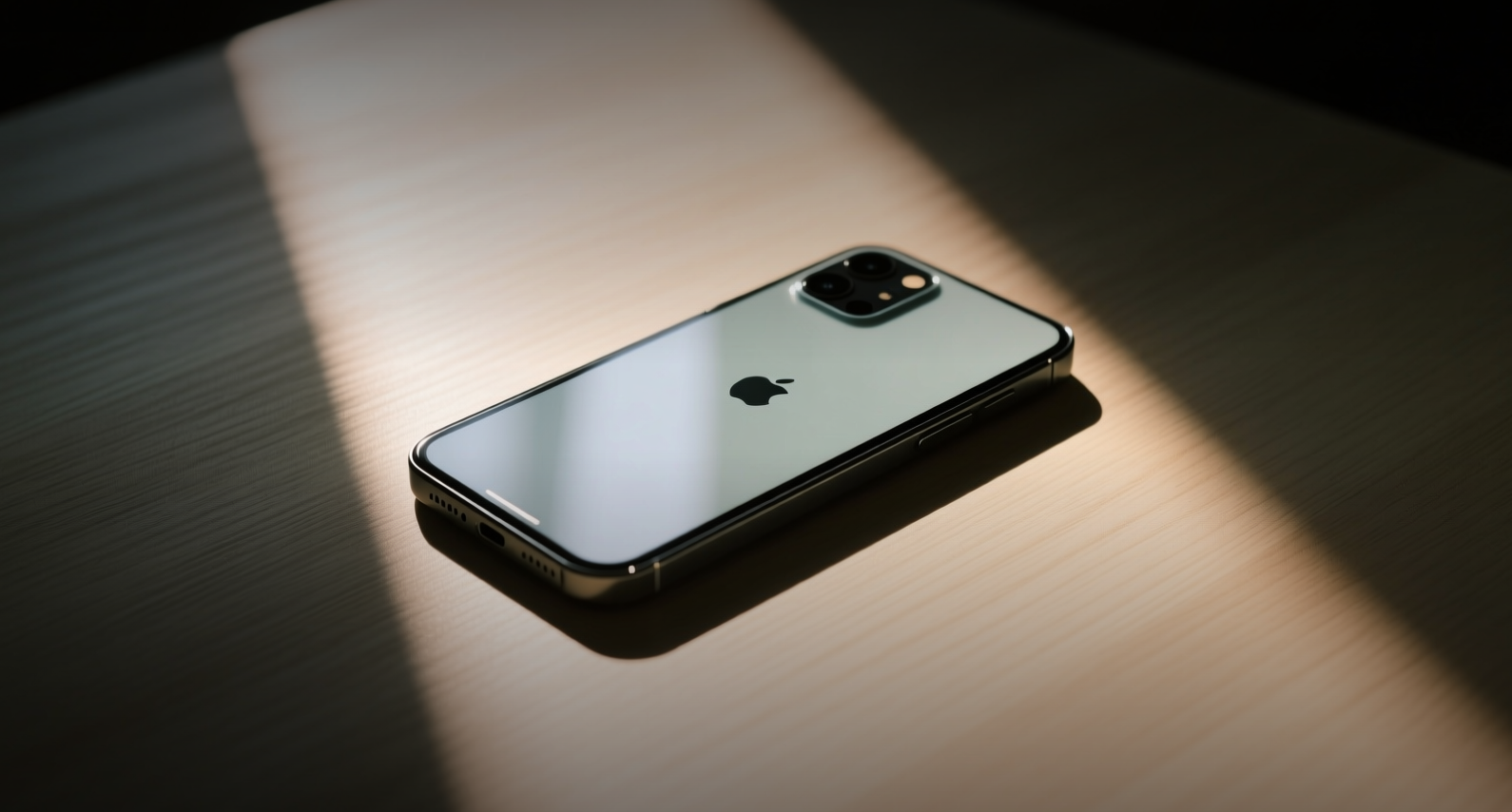
Google raised Pixel 11 prices $100 across all four models and trimmed Pro RAM to 12GB, passing a supplier-driven memory shortage to consumers as Apple and Samsung court holiday buyers with fresher designs.
"The technology industry is facing a severe supplier-driven RAM shortage, and we will need to adjust Pixel 11 pricing and RAM configurations to deliver maximum value to customers in this context," Google said in a statement.
The Pixel 11 starts at $899 with 256GB storage and 12GB RAM, up from $799 for 128GB last year. The Pro and Pro XL base configurations drop from 16GB to 12GB RAM while storage doubles to 256GB. The Pro Fold starts at $1,899. Preorders open Wednesday, with devices shipping Aug. 20.
The pricing lands as Google faces its stiffest hardware competition in years. Apple's Pro iPhone line was redesigned last year, Samsung's Galaxy S26 Ultra adds a privacy screen, and both are moving toward passport-style foldables — a form Google abandoned after its first Pixel Fold.
The Pixel 11 series runs on Google's Tensor G6, built on TSMC's 2nm node, which Google says is 20 percent more power efficient than the G5, with 25 percent faster browsing and 15 percent faster app loading. The camera bar is now all-glass and 40 percent thinner, and the Pro models gain a 50-megapixel main sensor plus a rebuilt telephoto that captures 32 percent more light. Google touts 120x zoom, though the company acknowledges the reach relies heavily on digital enhancement and AI processing rather than optics.
The standard Pixel 11 carries a 48-megapixel main camera with 56 percent more light sensitivity, a 6.3-inch 120Hz display peaking at 3,000 nits, and up to 30 hours of battery life. Pro screens climb to 3,600 nits from 3,300, with scratch resistance doubled. On the software side, Gemini now automates cross-app tasks such as restaurant bookings, ride-hailing, and ticket purchases, while a new "Rambler" voice-to-text mode strips filler words and "Magic Capture" records video while saving stills in a single tap.
The Pro-exclusive HiLight feature turns the camera flash area into a color-coded LED notification light, glowing in assigned colors for specific contacts and pulsing during Gemini voice sessions. The concept is not new — Nothing Technology has built an entire design language around rear LEDs — but Google's implementation is a small ring beside the flash, and its visibility in real use remains untested.
The Pixel 11 Pro Fold is 1 millimeter thinner and roughly 10 percent lighter than its predecessor, with both screens 20 percent brighter and an IP68 dust-and-water rating that beats Samsung's Galaxy Z Fold 8 Ultra. But in form factor, Google is drifting from the market's direction. The company tried a passport-style wide screen on its first Pixel Fold, then moved to a tall-narrow design — while Samsung and Apple have since embraced the passport shape, drawing the attention of consumers and reviewers.
Google also launched the Pixel Watch 5, adding blood-pressure and insulin-resistance trend tracking, and a $29 Pixel Tag tracker that ships Nov. 11. Alphabet shares slipped 0.36 percent intraday Wednesday after the announcement.
The price increases and RAM cuts could weigh on holiday demand for Google's hardware division, which competes for premium buyers against Apple's iPhone 18 and Samsung's Galaxy S26 line. With the design largely unchanged for three years and foldable momentum shifting to rivals, Google is betting that its AI features and camera upgrades — not hardware novelty — will justify the higher price tags.
This article is for informational purposes only and does not constitute investment advice.
