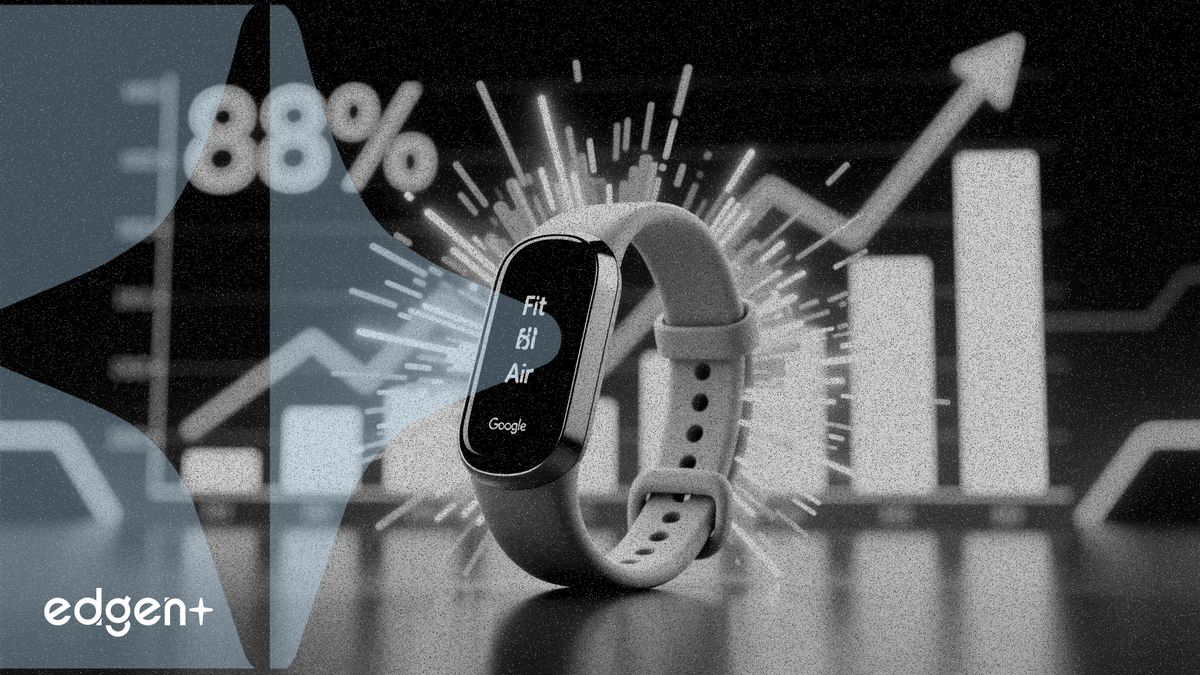
Google’ın 26 Mayıs'ta sevkiyatına başlanacak olan 100 dolarlık yeni Fitbit Air cihazı, şu anda Whoop ve Oura gibi markaların hakimiyetinde olan ve hızla büyüyen ekransız sağlık takip cihazı pazarına doğrudan bir meydan okumadır. Cihaz, 2024 ile 2025 yılları arasında ABD'deki satışların yüzde 88 arttığı bir kategoriye girerek, Google'ın pasif sağlık izleme ve abonelik tabanlı yapay zeka koçluğu konusundaki büyük stratejik hamlesinin sinyalini veriyor.
Oura'nın ürün müdürü Holly Shelton, "İnsanlar giderek başka bir ekranın sürekli dikkati dağıtan etkisi olmadan sağlık teknolojisinin faydalarını arıyorlar" diyor. Bildirimler olmadan, insanların istatistiklerini ne sıklıkla kontrol edeceklerine kendilerinin karar verebileceğini de sözlerine ekliyor.
Fitbit Air, 100 dolar olarak fiyatlandırıldı ve bir ekranı olmamasına rağmen bir haftalık pil ömrüyle kalp atış hızı, kandaki oksijen seviyeleri ve cilt sıcaklığını izleme yeteneğine sahip. Bu durum, 349 dolardan başlayan ve ayda 6 dolar abonelik ücreti olan Oura Ring ve yıllık 199 dolardan başlayan üyelik gerektiren Whoop bilekliği ile tezat oluşturuyor. Fitbit Air, yeniden markalanan ve fiyatlandırılan Google'ın premium hizmetinin üç aylık deneme sürümüyle birlikte gelecek.
Bu lansman, sağlık çalışmalarını tek bir marka altında toplayan Google için önemli bir stratejik değişikliği işaret ediyor. Fitbit uygulaması Google Health uygulaması olacak ve Fitbit Premium aboneliği, yıllık fiyatı 20 dolar artarak 99,99 dolara çıkan Google Health Premium'a dönüşecek. Bu yeni abonelik, kişiselleştirilmiş fitness planları ve sağlık içgörüleri sunan Google'ın Gemini destekli AI Sağlık Koçu'na erişim de dahil olmak üzere cihazın tüm potansiyelini ortaya çıkarmanın anahtarıdır.
Basitlik ve Abonelik Üzerine Bir Bahis
Ekransız cihazlara yönelik hamle, sürekli etkileşim gerektirmeden veri toplayan teknolojiye yönelik artan tüketici arzusuna hitap ediyor. Başlıca faydası pil ömrüdür; güç tüketen bir ekran olmadan Fitbit Air bir hafta dayanabilirken, bir Oura Ring sekiz güne kadar ve bir Whoop 5.0 iki haftaya kadar dayanabilir. Bu, tahmine dayalı sağlık içgörüleri oluşturmak için gereken sürekli, 24/7 veri toplama sürecini mümkün kılar.
Bu günün her saati yapılan izleme, öngörücü bir güce sahiptir. WSJ'den bir makale, yıllık bir check-up'ın anlık görünümünün aksine, "Sizi 24/7 izleyerek, bu giyilebilir cihazların Whoop CEO'su Will Ahmed'in 'önemli olan hafif sapmalar' olarak adlandırdığı durumları tespit edebileceğini" belirtiyor.
Google için Fitbit Air, daha geniş sağlık ekosistemine erişilebilir bir giriş noktası görevi görüyor. Donanım bir kancadır ancak Google Health Premium aboneliğinden gelen yinelenen gelir asıl uzun vadeli oyundur. Şirket, kullanıcıların ham verileri eyleme dönüştürülebilir bir plana çeviren yapay zeka destekli koçluk gibi yorumlama katmanı için ödeme yapacağına dair iddiaya giriyor. Bu strateji Google'ı, Gemini AI temelinin rekabet avantajı sağladığına inanmasına rağmen, Whoop, Garmin ve Oura'nın yazılım odaklı modelleriyle doğrudan rekabete sokuyor.
Fitbit Markasının Sonu mu?
Uygulamanın ve abonelik hizmetinin yeniden markalanması, Google'ın 2021'de Fitbit'i satın almasından bu yana markalama stratejisindeki net bir değişimi gösteriyor. Fitbit adı artık giderek daha düşük teknolojili donanımlarla ilişkilendirilirken, daha gelişmiş yazılım ve yapay zeka özellikleri Google Health markası altında yer alıyor.
Bu birleşme stratejik olarak mantıklıdır ve giyilebilir cihazlardan, tıbbi kayıtlardan ve Apple Health gibi diğer sağlık uygulamalarından gelen veriler için birleşik bir merkez oluşturur. Ancak, uzun süredir Fitbit kullanıcısı olanlar için Google Health uygulamasına yapılan otomatik güncelleme bir dönemin sonu gibi gelebilir. Google daha hassas sağlık verilerini ekosistemine dahil ettikçe, şirketin 2020'de bu verileri reklam işinden ayrı tutma taahhüdü yeniden mercek altına alınacaktır.
Bu makale yalnızca bilgilendirme amaçlıdır ve yatırım tavsiyesi teşkil etmez.